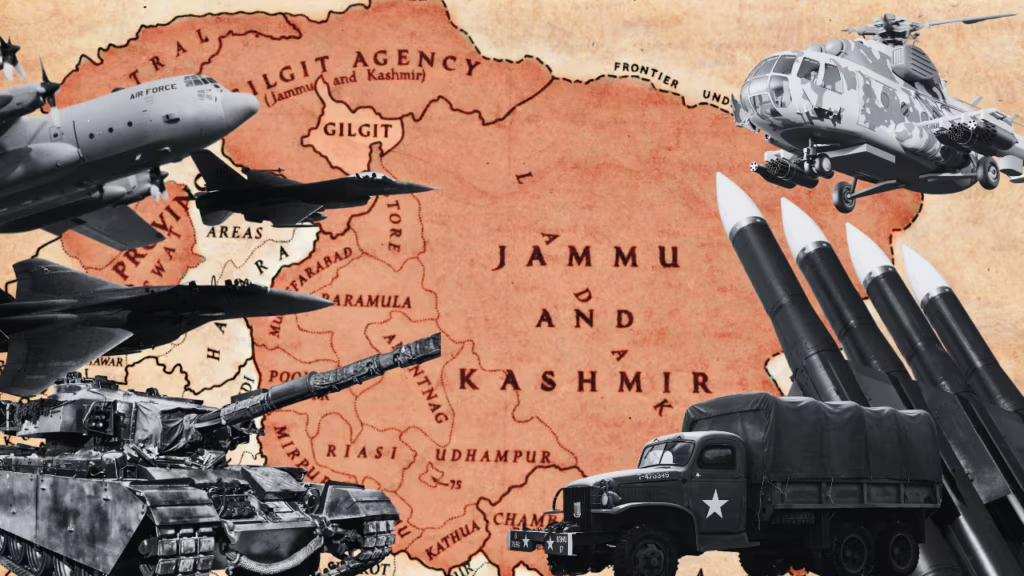
The looming shadow of last year’s short but intense India-Pakistan conflict in May has sealed Kashmir as a perilous nuclear flashpoint of this region. Kashmir’s future requires Pakistan to be steadfastly committed to the cause of self-determination, as the annual Kashmir Solidarity Day is observed on February 5th, while the increasing danger of miscalculation between the two nuclear-weapon states continues to escalate. It is important to analyze the post-conflict dynamics, Pakistan’s strategic vision, major hurdles, and practical steps to avoid any catastrophe.
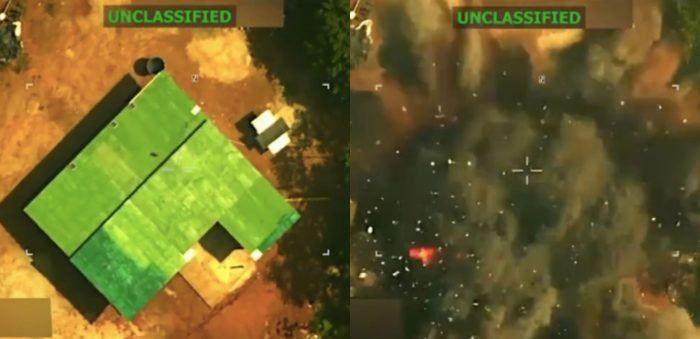
Although the May 2025 crisis was brought to an end with a fragile ceasefire after four tense days of missile exchange, drone battles, and clashes along the Line of Control (LoC), neither side crossed the red line to begin all-out war. It revealed India’s aspiration for striking first and Pakistan’s success in counter-air operations, which in turn greatly increased nuclear rhetoric between the countries. Ceasefire currently stands unequally, but violation of the ceasefire continues to occur along the LOC, which have contributed to an increase in distrust and competition in drones and missiles that may quickly escalate again.
For years, Kashmir has been considered a nuclear flashpoint, but post-2025, it is even more unstable. Nuclear rivals tested new delivery systems during the 2025 conflict, and disinformation clouds the perceptions in South Asia, endangering things from spiraling out of control.
Pakistan’s Full Spectrum Deterrence neutralized India’s conventional military advantage; however, India’s aggressive natured strikes signal the so-called “new normal” where terrorism invites retaliatory strikes anywhere, increasing the risk of crisis instability and risk of military escalation to a dangerous level. Experts warn that non-state actors or cyberattacks could pull the entire region into the abyss, particularly as India’s unilateral abeyance of the Indus Waters Treaty (IWT) strains resources amid a drought-plagued summer.
Pakistan views Kashmir not as a bilateral dispute but as an UN-mandated self-determination issue, with the IIOJK being brutally occupied by India since the revocation of Article 370; lockdowns, human rights abuses, and demographical changes intended to kill Kashmiri aspirations. In the aftermath of the conflict, the geopolitical landscape is changing, including closer US-Pakistani ties, offering Islamabad leverage to highlight atrocities at the UN and OIC, countering India’s attempts to isolate itself.
Read More: Kashmir Solidarity Day: Pakistan’s Leadership Reaffirms Support for Kashmiri People
India’s settlement plan threatens permanent partition, and the alienation of the Muslim-majority population of Kashmir by India keeps triggering distrust and despair. Youth rebellion grows amidst the blackouts and arrests, and the environmental disaster and economic underdevelopment in the Valley grow the grievances. Pakistan is fearful of a “genocide” scenario that will necessitate intervention.
However, there is hope in the ability of the Kashmiri people to endure. Polls indicate that support for a plebiscite is still high, but the need to shift proxy wars to diplomacy, before technology creates the potential for mistakes to become fatal.
In this scenario, there is a need for a number of pragmatic measures which may include strengthening the CBMs, such as the DGMO hotlines, with agreements on reducing the nuclear risks, reviving back-channel negotiations on the LoC trade, and urging the UNSC to deploy monitors on the IIOJK human rights. Diplomatically, Pakistan must utilize the mediation efforts of the US initiated by President Trump for neutral investigations into the Pahalgam-type attacks.
Strategically, Full Spectrum Deterrence must be paired with de-escalation training for a balanced approach while dealing with India. Economically, confidence-building measures on the IWT can help build trust between the two countries and prevent water politics from becoming a tool of warfare in the future.
A viable way forward begins with Pakistan galvanizing global South voices on Kashmir Day to revive the UN plebiscite while implementing bilateral confidence-building measures to lower the temperature of the nuclear flashpoint. If no steps are taken, Kashmir may develop into the most catastrophic episode in nuclear history; better caution now than regrets later.
*The views presented in this article are the author’s own and do not necessarily reflect the views of The Diplomatic Insight.

Harsa Kakar
Harsa Kakar is an Assistant Research Fellow at Balochistan Think Tank Network (BTTN), Quetta. The views expressed are personal. She can be reached at kakarhsa01@gmail.com