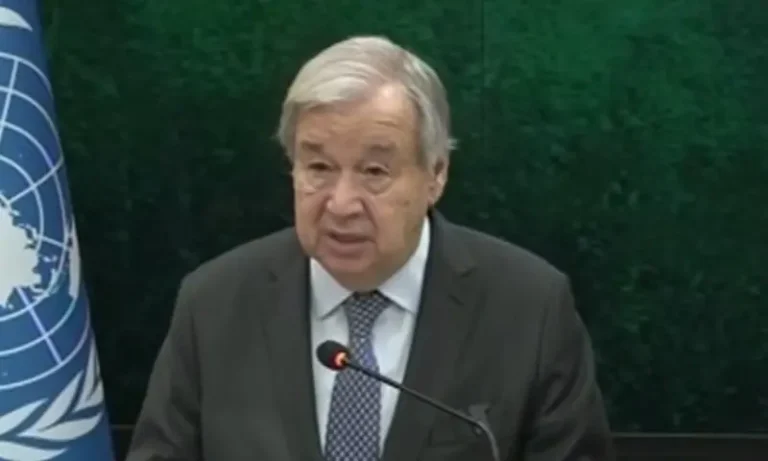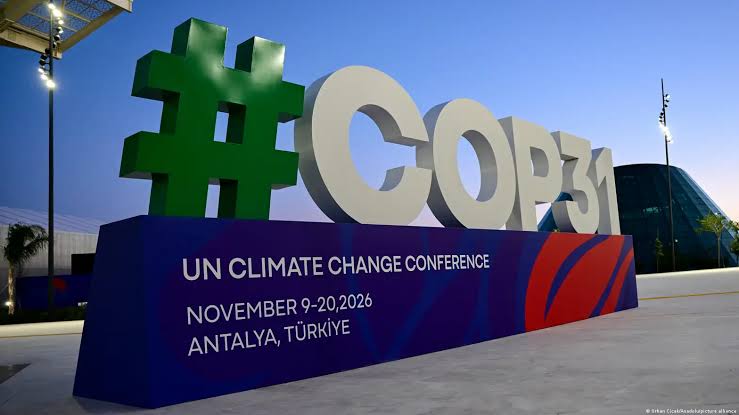
On the second day of the COP31 climate summit, United Nations Secretary-General, António Guterres, pressed the hosts, Turkiye and Australia, to turn years of fossil fuel pledges into a concrete, financed transition.
Guterres urged nations to plan for a future without fossil fuels on Tuesday, even as Turkey celebrated the discovery of new oil reserves.
“Now, here at COP31, we must move from discussing the transition to organizing it, financing it, and delivering it,” he said. He also called an accelerated move away from coal, oil and gas essential to holding warming near 1.5C.
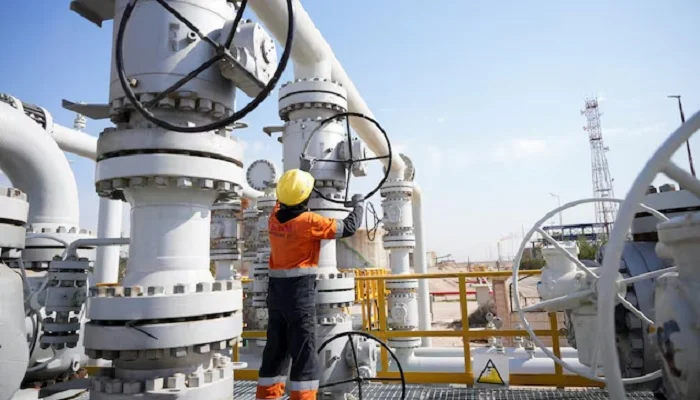
The message lands awkwardly with the hosts’ own energy policies. Turkish President Recep Tayyip Erdogan hailed the discovery of two oil fields, potentially holding 135 million barrels of crude, as “good news” on Monday.
Both co-presidents have recently approved more coal, oil and gas production, and still rely on fossil fuels for 60% (Australia) and 56% (Turkiye) of their electricity.
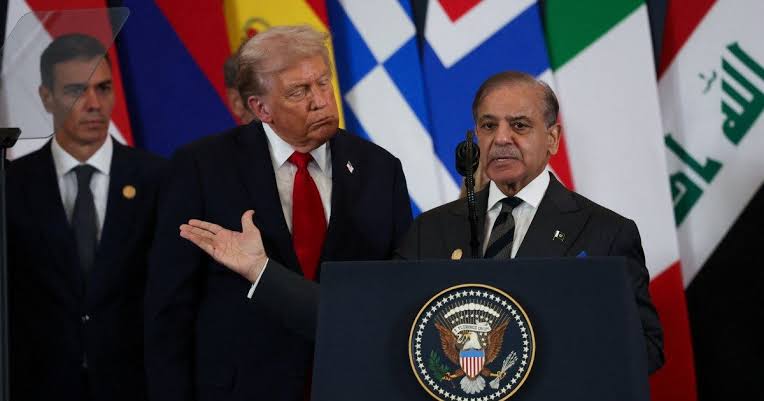
Read More: PM Shehbaz to Urge Global Climate Action at COP31 Leaders’ Summit in Türkiye
The two countries share the summit under an unusual arrangement. Turkiye presides over COP31 while Australia leads the negotiations. The partners have branded it the “implementation COP,” focused on turning commitments into action.
Turkiye’s flagship initiative is a voluntary “electrification” pledge, which aims to lift electricity’s share of global energy demand from around 20% to 35% by 2035. Critics note it does not require that power to be clean.
Guterres wants countries to build on a voluntary roadmap produced by Brazil after last year’s COP30, which ended with a deal making no explicit mention of fossil fuels after oil producers objected.
Some big fossil fuel-producing countries, including India, Nigeria and Germany, have now backed the roadmap, and Guterres said all countries should start making progress on cutting fossil fuels by 2028. He said nations should use it to draw up national plans with clear timelines, responsibilities and financing needs.
The fossil fuel phase-out is not an official item in the COP31 negotiations. Some producing nations are likely to resist anchoring the roadmap in the summit’s cover decision or other negotiated outcomes. Many developing economies dependent on oil and gas revenue have also insisted each country should move at its own pace.