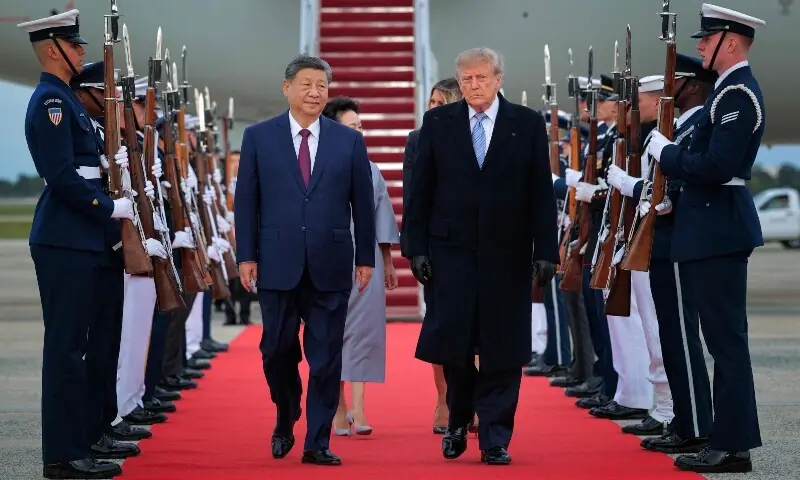
Washington (TDI): US President Donald Trump has welcomed Chinese President Xi Jinping to Washington for a high-profile state visit, with the leaders of the world’s two largest economies seeking to project stability in bilateral ties while addressing a range of unresolved trade and security disputes.
Xi’s visit marks his first trip to Washington in more than a decade and the second meeting between the two leaders this year.
Trump greeted Xi on arrival at Joint Base Andrews on Wednesday evening, underscoring the ceremonial significance attached to the visit. Xi, in a statement carried by China’s Xinhua news agency, said Beijing and Washington should remain “partners, not rivals” and expressed hope for a more stable relationship between the two countries.
The summit is expected to focus heavily on trade, with officials from both sides working to extend a temporary truce that had paused a tariff escalation between the two economies.
Read More: Superpower Reset: Donald Trump’s Visit to China and the Emerging Global Order
US Treasury Secretary Scott Bessent said after talks with Chinese Vice Premier He Lifeng that Washington and Beijing had agreed to extend the trade arrangement until January 10. The agreement had followed a tariff confrontation in which duties imposed by both sides exceeded 100 percent.
Further discussions could cover reductions in some tariffs, measures against drug trafficking, military-to-military communication and the detention of US citizens in China, according to people familiar with the talks.
Trade is expected to provide the clearest opportunity for concrete outcomes from the summit, as the Trump administration seeks economic announcements ahead of the US midterm elections.
US Trade Representative Jamieson Greer has said Washington and Beijing could announce progress on agricultural trade and non-tariff barriers. Greer also said China was making progress on a reported commitment to purchase 200 Boeing aircraft, although he did not indicate whether additional orders were imminent.
Artificial intelligence is another potential area of discussion. Officials from both countries have explored ways to reduce the risk of AI-related incidents, particularly given the technology’s growing implications for national security, economic competition and military capabilities.
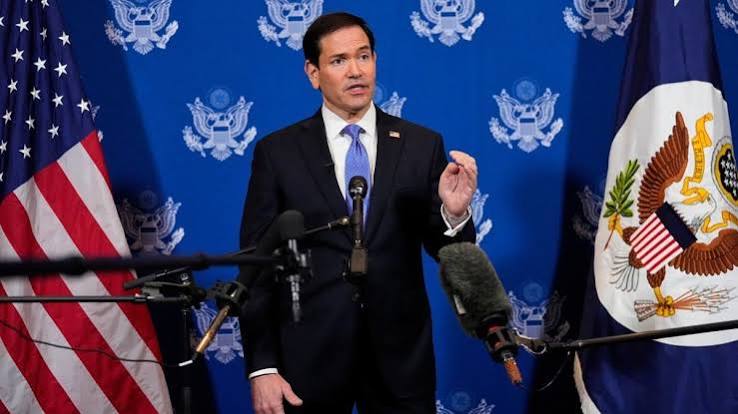
US Secretary of State Marco Rubio has indicated that Washington and Beijing were considering a communication mechanism similar to Cold War-era hotlines to help prevent dangerous incidents from escalating.
However, competition over advanced technology and US restrictions on the export of sensitive technologies to China are expected to remain major points of disagreement.
Despite the emphasis on economic cooperation, several major geopolitical issues remain unresolved. Taiwan is expected to feature prominently in the discussions. China claims the self-governing island as part of its territory, while the United States maintains longstanding relations with Taiwan and supplies it with military equipment.
Read More: What is Panda Diplomacy and How China Uses Pandas as a Soft Power Currency?
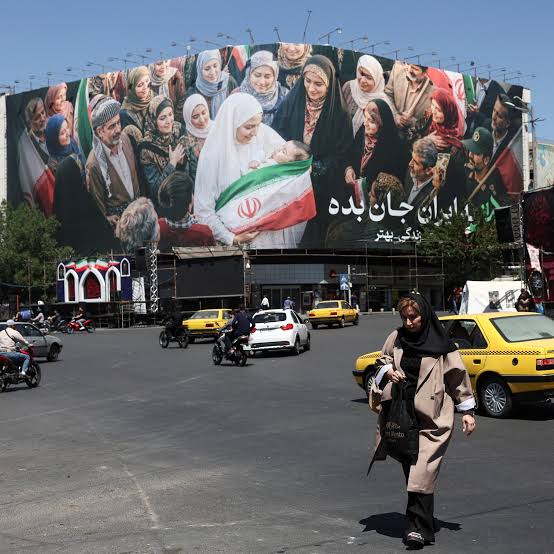
The two leaders are also expected to discuss Iran War, although there has been limited indication that Beijing is prepared to use its relationship with Tehran to meet Washington’s demands.
China’s control over much of the global supply chain for rare earth minerals also gives Beijing significant leverage in economic negotiations, while Washington continues to maintain restrictions on the transfer of advanced US technology to China.