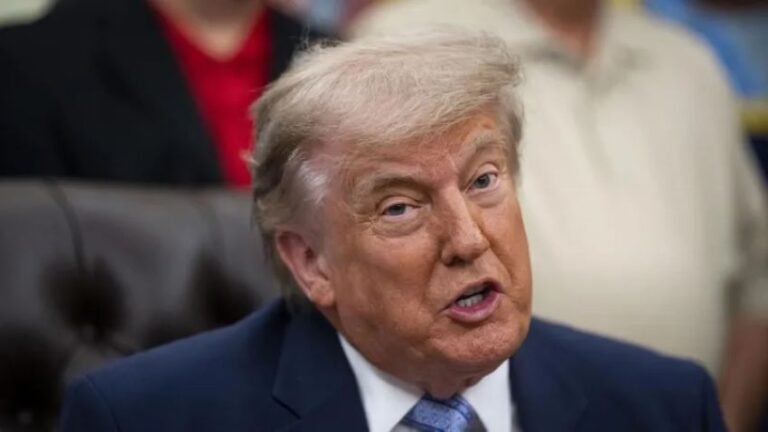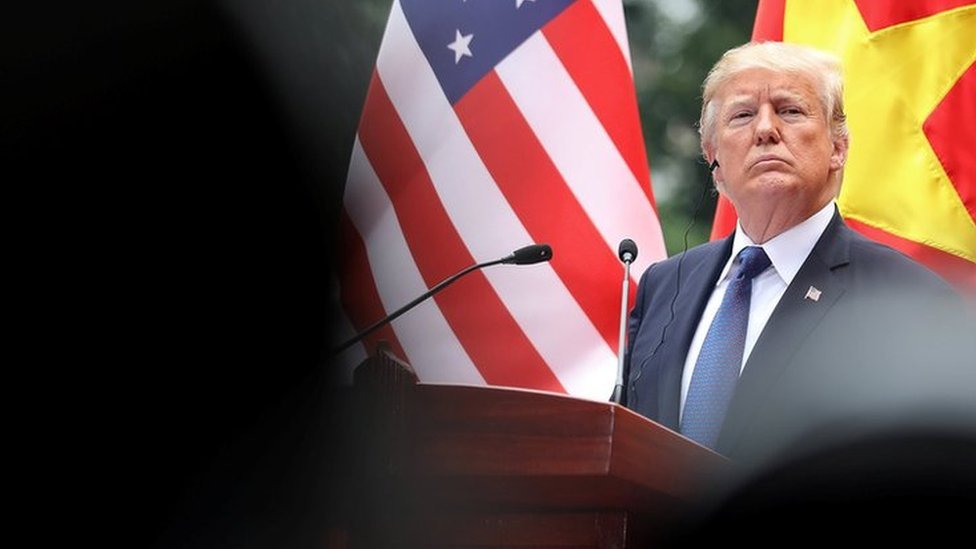
Washington (TDI): US President Donald Trump said on Friday that talks between the United States and Iran had gone “very well,” signaling that further negotiations are expected after indirect discussions hosted by Oman.
Speaking to reporters aboard Air Force One while traveling to Florida, Trump said Washington had held “very good talks on Iran” and confirmed that another round of discussions was likely early next week. He added, however, that failure to reach an agreement would carry serious consequences.
“If they don’t make a deal, the consequences are very steep,” Trump warned. Iran also struck a cautiously optimistic tone, saying the talks in Muscat were conducted in a “positive atmosphere” and that both sides had agreed to continue negotiations. The discussions were mediated by Oman, with US and Iranian delegations communicating indirectly and not meeting face-to-face.
The talks marked the first engagement between the two adversaries since the United States joined Israel’s conflict with Iran in June, when US forces carried out strikes on Iranian nuclear facilities. The discussions took place while a US naval strike group, led by an aircraft carrier, remains deployed in the region.
Read More: Iran, US Open High-Stakes Nuclear Talks in Oman Amid Rising Tensions
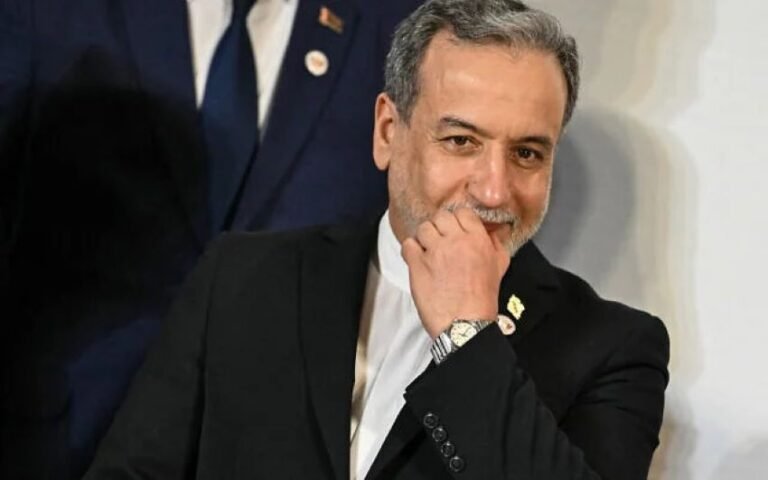
Iran’s delegation was led by Foreign Minister Abbas Araghchi, who said the discussions focused solely on Tehran’s nuclear programme. Western governments believe Iran’s nuclear activities are aimed at developing an atomic weapon, a claim Tehran has repeatedly denied.
“In a very positive atmosphere, views were exchanged and positions were conveyed,” Araghchi told Iranian state television, adding that both sides had agreed to continue talks. He later told the official IRNA news agency that Iran hoped the United States would avoid threats and pressure so diplomacy could move forward.
The US delegation, led by Middle East envoy Steve Witkoff, had sought to broaden the agenda to include Iran’s ballistic missile program, its support for armed groups in the region, and its treatment of protesters, Iranian officials said.
Multiple sessions were held throughout the day, with delegations shuttling between venues linked to Omani Foreign Minister Badr Albusaidi. Images released by Oman’s state news agency showed US Central Command chief Admiral Brad Cooper present in Muscat during the talks.
Despite the diplomatic engagement, Washington announced new sanctions shortly after the talks concluded, targeting shipping companies and vessels linked to Iran’s oil exports. US officials did not clarify whether the measures were directly related to the negotiations.
State Department spokesman Tommy Pigott said the sanctions underscored the administration’s commitment to curbing Iran’s oil and petrochemical exports as part of its “maximum pressure” campaign.
Read More: Iran Signals Willingness to Engage in US Talks, Cites National Interests
Regional and international reactions were cautious. Qatar’s foreign ministry said it hoped the talks would lead to a comprehensive agreement that enhances regional security. France’s Foreign Minister Jean-Noel Barrot urged Iran to stop acting as a “destabilizing power,” citing its nuclear programme and backing of militant groups, and called for restraint by Iran-aligned factions in case of further escalation.
Trump had earlier threatened military action over Iran’s recent crackdown on nationwide protests, which human rights groups say resulted in thousands of deaths. The US-based Human Rights Activists News Agency reported that more than 6,500 protesters were killed, along with members of the security forces and civilians, though it warned the toll could rise due to a prolonged internet shutdown.
In recent days, however, Trump’s focus has shifted back to Iran’s nuclear program, even as the US reinforces its military presence in the Middle East. Iran has warned it would retaliate against US bases in the region if attacked.
While both sides remain far apart on key issues, Friday’s talks appeared to reopen a narrow diplomatic channel, with further negotiations now expected in the coming days.