Modern world is full of crises, conflicts and political disagreements, each of which can threaten security and stability both in the region and around the world. In such complex conditions, not only the economic and military potential of states, but also the wisdom, sense of responsibility and will of their leaders play a decisive role. History has proven that the fate of nations and sometimes even entire regions often depends on the personality of the leader; a person who is able to give hope in moments of despair, show the path to peace and tranquility, and choose dialogue and cooperation over confrontation.
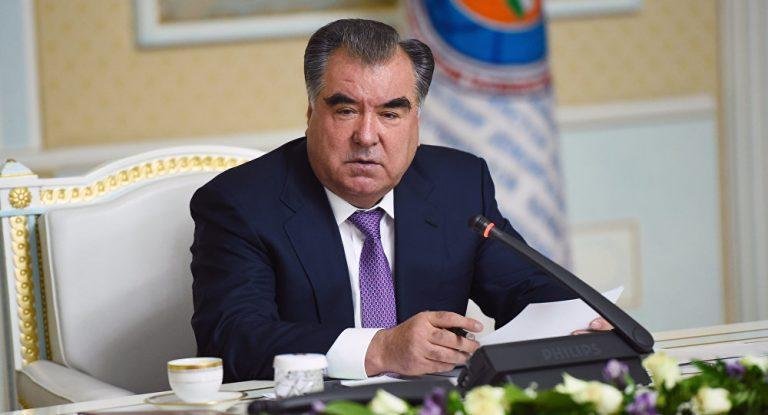
To fulfill statehood activities with high responsibility in the interests of the state and citizens who voted and were elected democratically is what defines a true leader. In Central Asia and beyond, one such figure is the President of Tajikistan – Emomali Rahmon.
From the first days of his rise to power, which took place during one of the most tragic periods of the late 20th century – the imposed civil war in Tajikistan, and to this day, while the world is facing global challenges such as terrorism, extremism, climate change and water scarcity, the role of the Leader of the Nation as an architect of peace, an initiator and a facilitator of cooperation has consistently led Tajikistan towards the goals mentioned above.
In 1992, when Tajikistan was in the throes of civil war and its statehood was on the verge of collapse, Emomali Rahmon stepped onto the highest political level and made his historic speech with the slogan: “I will bring you peace!” These words were not just a promise, but a program of action and strong will, which over the years became a reality. From that moment on, peace and security became the basis of the entire policy of the Leader of the Nation, making him a figure known not only in the region, but also throughout the world as a peacemaker.
Tajikistan’s experience in resolving the imposed civil war, which took place under the leadership of the Leader of the Nation, was recognized throughout the world as a “unique example of Tajik peace.” This experience showed that even the most complex conflicts can be resolved through negotiations, compromises, and political dialogue. Tajikistan became an exemplary country that was able to choose the path of peace over the continuation of war. This unique experience was later presented to other countries as a successful example and made the Honorary Leader of the Nation known as the architect of peace.
Therefore, the Leader of the Nation can be included in the ranks of those leaders who, by their own will, not only changed the fate of their country, but also influenced global processes. Under his leadership, Tajikistan has transformed from a war-torn country into a peace-loving country, whose global leadership today contributes to resolving global crises. This experience shows that wise leadership can change not only the fate of a nation, but also the direction of an entire region and even a turbulent world.
Read More: Tajikistan’s Position at the Central Asia Plus Japan Dialogue Forum
The peace process took place through dialogue and negotiations. The Leader of the Nation realized that force alone could not destroy either side. It was necessary to involve them in negotiations and convince them of the need for peaceful coexistence. With the support of influential international organizations, primarily the UN, peace negotiations were launched. Meetings were held in Moscow, Tehran, Almaty, Ashgabat and Dushanbe. Each meeting was a step towards peace and unity, and each meeting gave hope.
Today, more than 28 years after these events, Tajikistan is recognized as a country of peace and stability. This great success is primarily associated with the name of the Leader of the Nation. If a different path had been chosen in those years, the country could have suffered the tragic fate of other conflict-ridden states. However, thanks to the wisdom and fortitude of Emomali Rahmon, Tajikistan has become an example to follow. After the restoration of peace and national unity, regional security became a priority for the Leader of the Nation. The world faced the threats of terrorism, extremism, drug trafficking, and transnational crime.
The Leader of the Nation realized that these threats could not be eliminated without joint efforts. Tajikistan, with its long border with Afghanistan, has become an important security border for all of Central Asia and the CIS. The Leader of the Nation has consistently emphasized that protecting this border is a shared responsibility of all countries in the region and their international partners.
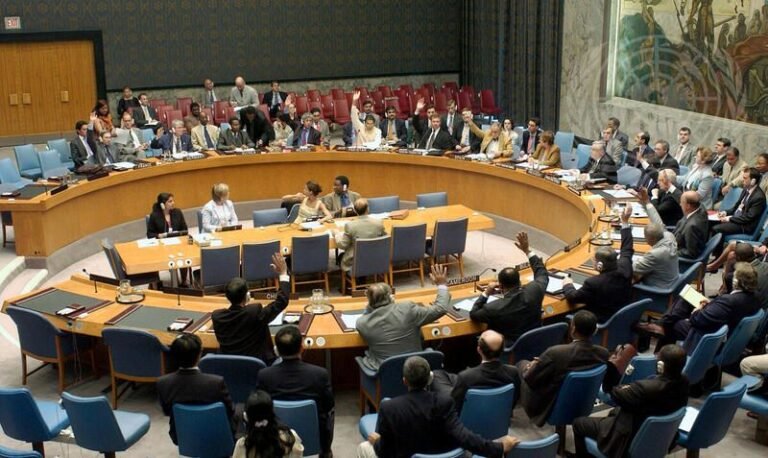
At the international level, Emomali Rahmon has repeatedly raised the issue of combating terrorism, calling for broad cooperation, and emphasizing that a military response alone is insufficient – the social and economic roots of extremism must be eliminated. At the initiative of Tajikistan, a Regional Anti-Terrorism Structure was established in Tashkent within the framework of the SCO. As part of the CSTO, Tajikistan actively participates in joint exercises and border protection programs.
The Leader of the Nation paid special attention to the fight against drug trafficking. On his initiative, joint programs were launched that helped reduce the flow of drugs. He emphasized that combating this threat requires joint efforts of all states and the support of international organizations. He also looked at the issue of extremism in more detail. The Leader of the Nation noted that extremism stems from a spiritual vacuum, and therefore, strengthening national, cultural and spiritual values, and developing education and awareness are important. The contribution of the Leader of the Nation goes far beyond national interests.
Under his leadership, Tajikistan has become a reliable partner in ensuring peace and stability in the region. In addition, Emomali Rahmon was one of the first leaders to draw the world’s attention to the problems of water, climate, and melting glaciers. At the initiative of Tajikistan, the UN declared 2005-2015 the “International Decade for Action: Water for Life” and then 2018-2028 the “Decade for Action: Water for Sustainable Development”. At the initiative of Tajikistan, 2025 was declared the “International Year of Glaciers” and a high-level conference was held in Dushanbe. This made the country a recognized center of the global water dialogue.
Read More: Pakistan, Tajikistan Target $300 Million Bilateral Trade Through PTA
The President of the country proposed in 2024 at the 79th session of the United Nations General Assembly to adopt a special resolution on the proclamation of the “Decade of Peacebuilding for Future Generations”, which aims to build peace and peacefully resolve conflicts in the world. One such regional experience of the Republic of Tajikistan is the meeting of the heads of the Republic of Tajikistan, the Republic of Uzbekistan and the Republic of Kyrgyzstan, which was held on March 31, 2025 in the city of Khujand, which became an important event in the system of international relations.
This event showed that cooperation can ensure lasting peace and create sustainable economic and cultural development. After the special meeting of the heads of state of Tajikistan and Uzbekistan, which took place in an atmosphere of friendship and brotherhood, a ceremony of signing and exchanging an important historical document was held here – the Protocol on the Exchange of Ratifications of the Treaty between the Republic of Tajikistan and the Republic of Uzbekistan on Allied Relations.
The Protocol of Exchange of Ratifications of the Treaty between Tajikistan and Kyrgyzstan on the State Border of Tajikistan and Kyrgyzstan was also approved. A special meeting of the heads of state of Tajikistan and Kyrgyzstan was held on the sidelines of the visit of the President of Kyrgyzstan to Tajikistan, and the following historical documents were approved:
- Protocol for the Exchange of Ratifications of the Treaty between the Republic of Tajikistan and the Republic of Kyrgyzstan on the State Border of Tajikistan and Kyrgyzstan
- Intergovernmental Agreement “On Ensuring Access to Water and Energy Facilities”
- Intergovernmental Agreement “On the Construction and Operation of Motorways, Improvement and Operation of the Motorway Intersection”.
These documents were signed by His Excellency Emomali Rahmon and His Excellency Sadir Japarov, which once again demonstrate the initiative and leadership of our country on the path of peace and harmony, mutual understanding and friendship with neighboring countries. The experience gained was highly appreciated by the international community, and on September 9, 2025, the Presidents of Tajikistan, Uzbekistan and Kyrgyzstan were awarded the Leo Tolstoy International Peace Prize.
The Leo Tolstoy Prize is awarded to individuals who have made a valuable contribution to maintaining security based on compliance with international law. Thus, the contribution of the Leader of the Nation in resolving regional and global crises is unique. He has shown that even any country can influence world politics if it is led by a wise and far-sighted leader.
*The views presented in this article are the author’s own and do not necessarily reflect the views of The Diplomatic Insight.

Vohidova Sanavbarbonu
Vohidova Sanavbarbonu is a Doctor of Historical Sciences, Professor, Head of the Department of Europe of the Institute of Asian and European Countries, National Academy of Science of Tajikistan.