Tehran (TDI): Strikes on Iran’s nuclear and industrial sites have heightened tensions, even as Washington signals openness to diplomacy.
Air attacks hit facilities linked to Iran’s nuclear programme, including sites in Arak and Khondab, prompting concern from the International Atomic Energy Agency. Iranian authorities said there was no radiation leak following the strikes.
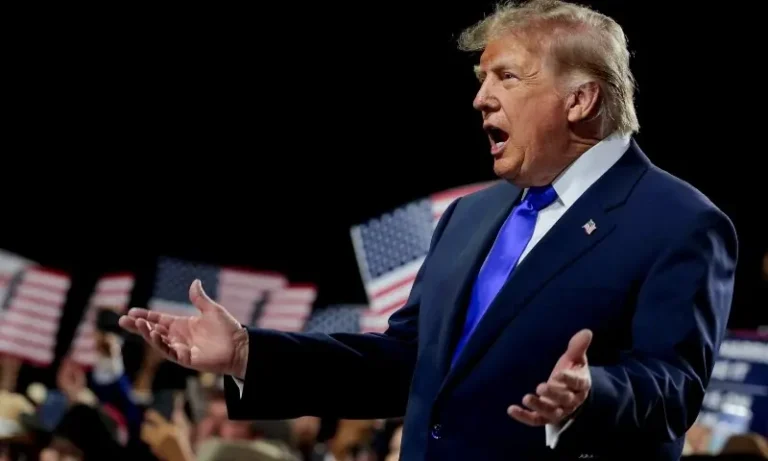
The escalation came shortly after US President Donald Trump extended a 10-day deadline for Iran to reopen the Strait of Hormuz, warning of potential action against civilian energy infrastructure if Tehran fails to comply.
Iran confirmed that a uranium processing facility in Yazd province was targeted. The IAEA noted it had been informed of the strike but detected no increase in radiation levels outside the site.
Iranian Foreign Minister Abbas Araghchi condemned the attacks, saying Tehran would impose a “heavy price” in response. He also revealed that major industrial sites, including Khuzestan Steel and Mobarakeh Steel, were struck.
The Islamic Revolutionary Guard Corps warned it could retaliate by targeting industrial facilities across the region, urging civilians to evacuate such sites. Iranian officials also hinted at possible strikes on key energy hubs in Saudi Arabia and the United Arab Emirates if the conflict escalates further.
Read More: Pakistan Eases Trade Rules with Iran Amid Regional Tensions
Meanwhile, the Strait of Hormuz remains a critical flashpoint. Iran has restricted vessel movement, turning back several ships and effectively tightening control over one of the world’s most vital oil routes. In response, the United Nations is considering a task force to safeguard maritime trade through the waterway.
Diplomatic pressure is also mounting. At talks in Paris, G7 nations sought clarity from Marco Rubio on Washington’s strategy. Rubio said allies support efforts to counter any Iranian attempt to impose transit costs on shipping through the strait.
Despite the military escalation, the US maintains that its objectives could be achieved within weeks. Rubio said Washington expects Iran to emerge significantly weakened, while leaving open the option of deploying ground forces if necessary.
Read More: Israel Says Strike Killed IRGC Navy Commander, No Confirmation From Iran Yet
At the same time, indirect communication between the two sides continues. According to US officials, messages have been exchanged indicating some willingness from Tehran to engage, though details remain unclear.
While Iran has publicly dismissed US proposals as serving American and Israeli interests, officials say diplomatic channels remain open through intermediaries, including efforts facilitated by Pakistan, suggesting that negotiations, though strained, are still ongoing.