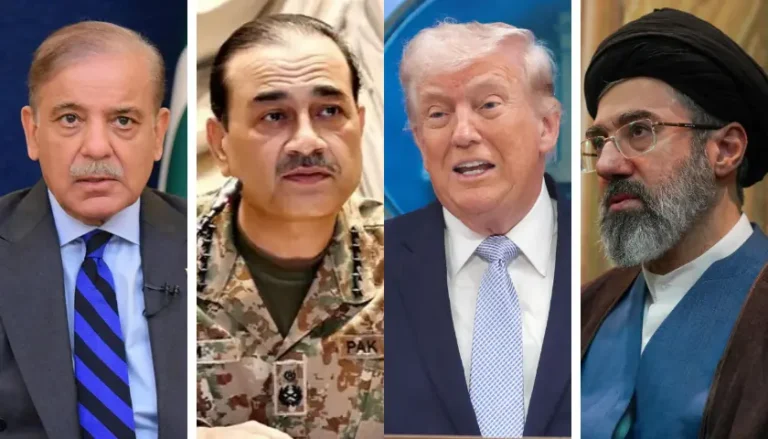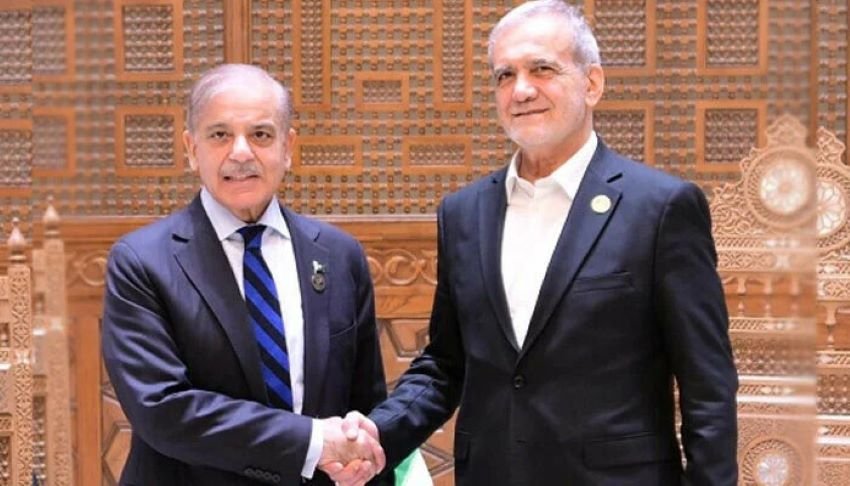
Islamabad (TDI): Pakistan has stepped up its diplomatic efforts to calm rising tensions in the Middle East, with Prime Minister Shehbaz Sharif holding an hour-long call with President Masoud Pezeshkian on Saturday.
According to an official statement, the two leaders discussed the evolving regional situation in detail, focusing on ongoing hostilities and the prospects for peace. PM Shehbaz Sharif strongly condemned what he described as continued Israeli attacks on Iran, including strikes on civilian infrastructure, and reaffirmed Pakistan’s solidarity with the Iranian people.
The prime minister also expressed condolences over the reported loss of more than 1,900 lives and wished a speedy recovery for those injured and displaced.
During the conversation, PM Shehbaz briefed the Iranian president on Pakistan’s ongoing diplomatic outreach, including contacts with the United States and other Gulf and Islamic countries. He said these efforts are aimed at creating conditions conducive to dialogue and eventual peace negotiations.
Read More: Pakistan Eases Trade Rules with Iran Amid Regional Tensions
Highlighting what Islamabad views as growing international support for its initiative, the prime minister voiced hope that coordinated diplomacy could help pave the way toward ending the conflict.
President Pezeshkian welcomed Pakistan’s engagement, sharing Iran’s perspective on the situation and stressing that trust-building would be essential for any meaningful negotiations. He also appreciated Islamabad’s constructive role and its support during the crisis.
In response, PM Shehbaz reaffirmed Pakistan’s commitment to promoting regional stability and facilitating dialogue between the parties involved.
Read More: Pakistan Braces for Inflation Spike as US–Israel War on Iran Drives Oil Shock
In a parallel development, Pakistan is set to host key regional diplomats, underlining its increasingly active role. Foreign ministers from Saudi Arabia, Türkiye, and Egypt, including Faisal bin Farhan Al Saud, Hakan Fidan, and Badr Abdelatty, are scheduled to visit Islamabad on March 29–30.
They are expected to hold detailed consultations with Pakistani leadership on de-escalation efforts and broader regional issues, as Islamabad positions itself at the center of diplomatic efforts to reduce tensions and encourage dialogue in the Middle East.