Branding a country is never just a logo or a tagline; it is a living narrative woven through culture, heritage, and global perception. Pakistan’s fashion is more than garments—it is heritage brought to life, a dialogue between skill and story. Every stitch, weave, and embroidery speaks of centuries of artisanal knowledge, the colors of its landscapes, and the rhythm of its diverse communities.
Through Pakistani textiles and traditional crafts, the country communicates an identity that is at once contemporary and timeless, vibrant and nuanced, allowing the world to see Pakistan not only as a destination but as a custodian of creativity and craftsmanship.
Pakistani fashion today extends far beyond the runway. It is the work of local artisans, whose hands carry history, and of Pakistani designers who translate that heritage into collections that travel across borders, curated carefully with the quiet support of embassies and cultural attachés.
These soft diplomatic gestures are subtle yet powerful: exhibitions in Brussels, for example, have paired textile showcases with discussions on Basmati rice, illustrating Pakistan’s rich agricultural and craft heritage, and offering a tactile narrative alongside international trade conversations. In this way, traditional Pakistani crafts become more than commodities—they become cultural ambassadors, bridging understanding between nations.
Entrepreneurs and visionary designers have transformed traditional artistry into platforms that bring Pakistan’s cultural richness to the world stage. Some have nurtured global recognition by presenting collections that blend heritage embroidery and weaving with modern aesthetics, while others focus on crafting a unique narrative of Pakistan through their work, ensuring that the story behind every textile is told internationally.
Among these trailblazers, Seema Aziz, through Bareezé Fabrics, quietly transformed traditional embroidery and weaving into an internationally recognized showcase of Pakistan’s textile heritage, proving that heritage and modern business can coexist to project a positive national image.
Grassroots initiatives also play a vital role. Organizations like Kaarvan Crafts Foundation revive traditional techniques such as handwoven fabrics, block printing, and regional embroidery, and provide artisans with opportunities to present their work internationally. By connecting these craftspeople to global audiences, Kaarvan amplifies the voices behind every fabric, ensuring that the story of Pakistan’s heritage is told through the hands that create it.
Through these collective efforts—designers honoring tradition, artisans preserving techniques, and foundations supporting visibility—Pakistan’s fashion speaks where speeches cannot. It strengthens international relationships, showcases national identity, and reminds the world that behind every fabric is a history, a culture, and a community that is proudly Pakistani. By merging timeless artistry with global presence, Pakistani fashion has become one of the country’s most eloquent instruments of soft diplomacy, weaving heritage into global conversations with elegance and authority.
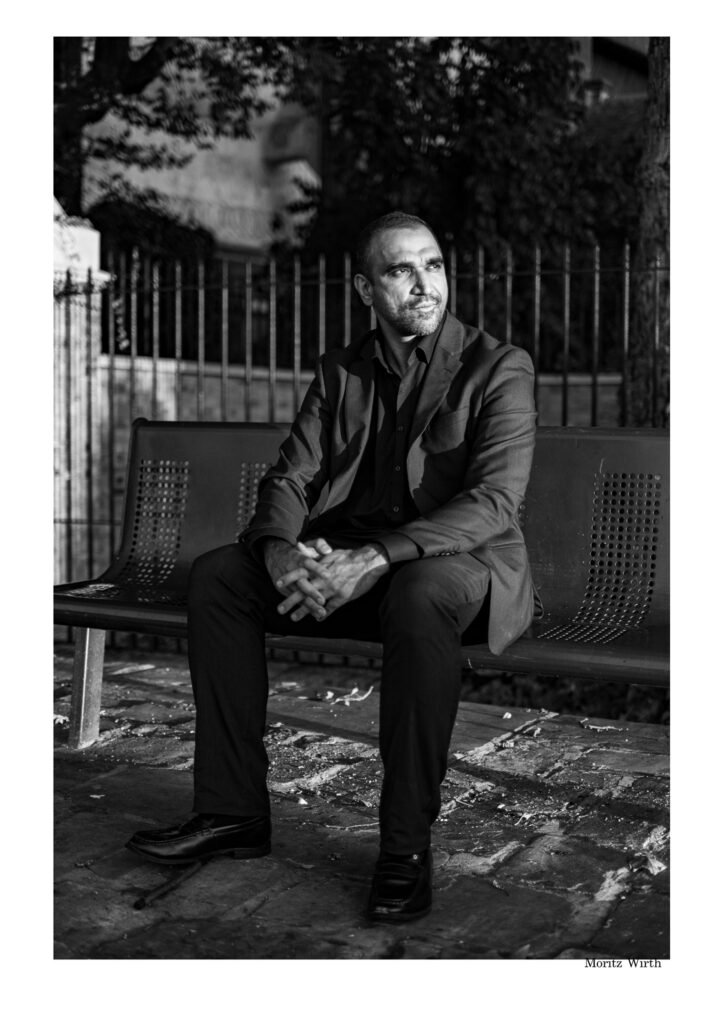
Photography: Moritz Wirth

Omar Mansoor
Omar Mansoor is a London-based British-Pakistani fashion designer, born in Faisalabad, who made history as the first Pakistani to showcase at London Fashion Week in 2008 after studying at the London College of Fashion. Renowned for his couture occasion wear, he has dressed British actresses, European aristocracy, and international royalty, and is widely credited with reintroducing fusion clothing into modern fashion.