Islamabad (TDI): Romania is aiming to increase its exports to Pakistan as part of a broader effort to strengthen its economic footprint in Asia and promote more balanced trade relations, said Ambassador Dr. Dan Stoenescu.
He noted that improving maritime connectivity can serve as a practical means to boost regional integration, streamline trade routes, and support shared economic growth. Amid rising pressure on existing infrastructure and the need for alternative supply corridors, he described the Romania–Pakistan partnership as a forward-looking model for sustainable cooperation.
Romania and Pakistan marked a significant step in advancing their economic and maritime partnership with the signing of a Memorandum of Understanding (MoU) on port cooperation. The agreement was concluded between the National Company “Maritime Ports Administration” S.A. Constanța and the Karachi Port Trust during an online ceremony. It was signed by Mihai Teodorescu, General Manager of the Port of Constanța Administration, and Rear Admiral Shahid Ahmed SI(M), Sbt. (Retd), Chairman of Karachi Port Trust.
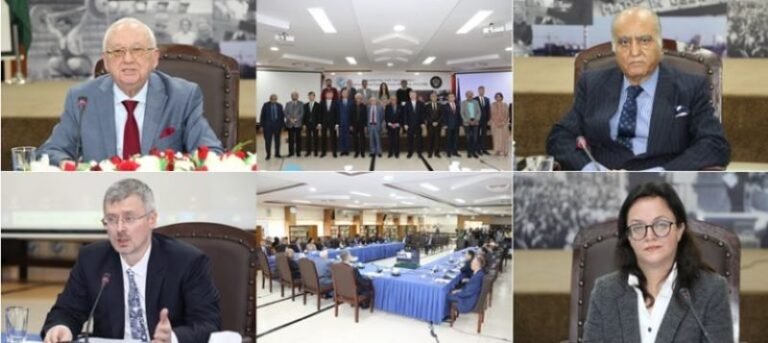
The ceremony was attended by representatives of the Ministries of Foreign Affairs and Transport of both countries, alongside ambassadors Dan Stoenescu and Ilyas Mehmood Nizami. Representatives of the Pakistan Romania Business Council, including Sohail Shamim Firpo and Atif Farooqi, also took part.
Read More: Pakistan–Romania Business Council Meets Christian Pastor Amjad Farooq
The Memorandum reflects the shared objective of enhancing maritime connectivity between Karachi Port and the Port of Constanța on the Black Sea, facilitating more efficient trade flows between South Asia and Europe. It supports Pakistan’s efforts to develop its maritime sector and blue economy, while reinforcing Romania’s role as a key logistical gateway to the European Union.
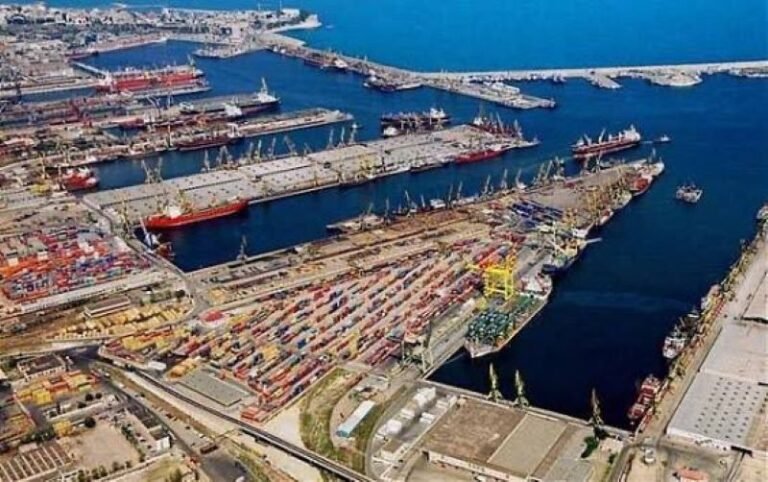
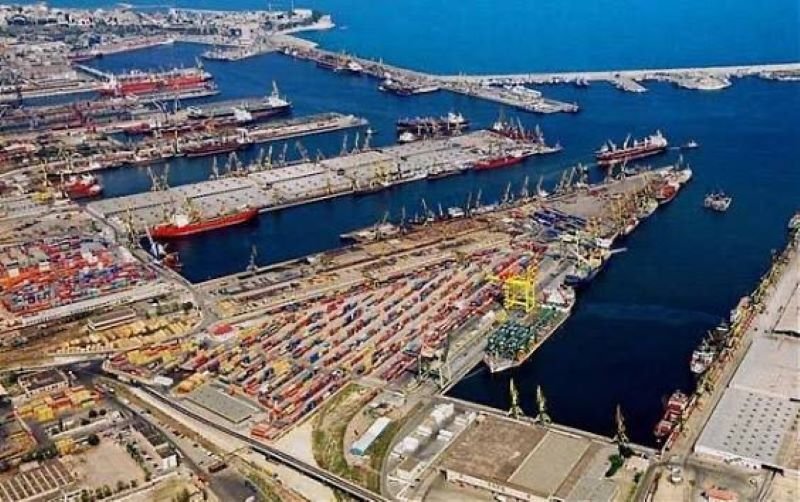
The Port of Constanța, one of the largest on the Black Sea, benefits from a strategic position that ensures direct access to Central and Western Europe through the Danube corridor.
From Constanța, goods can be transported efficiently via inland waterways through Hungary, Austria and Germany, reaching major hubs such as Rotterdam in the Netherlands. This multimodal route offers a cost-effective and sustainable solution for European distribution.
Enhanced connectivity between Karachi and Constanța is expected to generate new opportunities for bilateral trade. Romanian exports – including industrial equipment, machinery, chemicals and agricultural products – stand to gain improved access to Pakistan and wider regional markets, while Pakistani goods will benefit from more efficient entry points into Europe.
The agreement builds on discussions initiated in 2025 in Karachi and establishes a practical framework for cooperation, including the creation of a joint working group. It promotes collaboration in training, exchange of expertise in port management and operations, and the development of new trade opportunities.
Read More: Romanian Embassy Celebrates National Day, Highlights Expanding Ties with Pakistan
Maritime trade plays a central role in the European Union’s economy, with over 75% of the EU’s external trade carried by sea, making ports and shipping essential to growth, connectivity and supply chain resilience. Within this context, the EU’s Blue Economy strategy promotes sustainable use of ocean resources, innovation in maritime sectors and the development of efficient, green and digital port infrastructure. At the same time, Pakistan benefits from the European Union’s GSP+ scheme, which grants preferential access to the EU market for a wide range of exports.
Strengthened maritime links between Romania and Pakistan can therefore facilitate increased trade flows under this framework, supporting economic development, diversification of exports and deeper integration into global value chains for both sides.

Sohail Majeed
Sohail Majeed is a Special Correspondent at The Diplomatic Insight. He has twelve plus years of experience in journalism & reporting. He covers International Affairs, Diplomacy, UN, Sports, Climate Change, Economy, Technology, and Health.