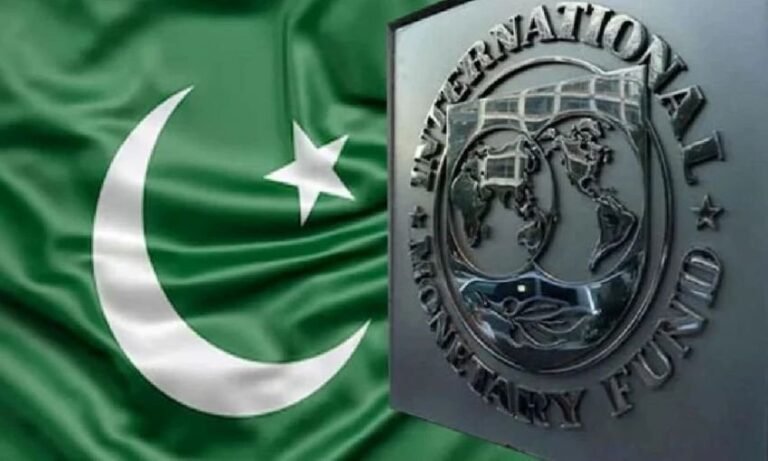
The tanker that never shows up. The petrol line that wraps around the whole block. The fuel bill that goes up twice in one night because a crisis on the other side of the world suddenly reminds every oil-dependent economy just how fragile their energy supply chains really are.
We’ve been in this situation before. And in 2026, we found ourselves here once again.
About 20 percent of the world’s traded oil moves through the Strait of Hormuz, a narrow waterway between Iran and Oman that is only 33 kilometers wide at its narrowest point. In 2025, rising tensions in the area caused a wave of fear in global commodity markets.
The impact was felt most quickly and strongly by oil-importing developing countries. Nations in South Asia, Southeast Asia, and Sub-Saharan Africa had to deal with managing their foreign exchange reserves, subsidy costs, and inflation all at once. Pakistan, which imports more than $15 billion worth of petroleum products each year, was one of the countries struggling with the effects.
This isn’t just a rare accident. It’s a deep flaw in how things are set up. Any country that depends on foreign oil and gas for its transportation is handing over its economic security to places it can’t really control. Places like the Strait of Hormuz, the Red Sea, the pipelines in Central Asia, and the politics of OPEC.
These aren’t just problems that affect Pakistan directly. They are problems that Pakistan ends up dealing with in many ways: through money, through rising prices, and through the disruption that affects everyday life for regular people.
The only long-lasting solution is to stop relying on the fuel supply chain completely. The technology needed to achieve this is already available.
Read More: Pakistan EV Expo 2026: Where Electric Mobility Future Accelerates
Electric Mobility: Not the Future but the Present
Electric vehicles are no longer just a fancy idea for rich countries. They are now the fastest-growing part of the global car industry, with over 20 million sold worldwide in 2024. These numbers show that electric cars are here to stay.
China is the top producer and seller of electric vehicles, making and selling more than the rest of the world combined. In cities like Shenzhen, the entire public bus system has been switched to electric, which has greatly improved air quality and cut down on the cost of importing fuel.
Norway has gone even further, with more than 90% of new car sales being electric, thanks to its large supply of hydroelectric power. The Netherlands, Germany, the United Kingdom, and South Korea are all moving quickly to ban traditional combustion engines, and these bans are now law.
Cities like Oslo and Amsterdam have completely redesigned their transportation systems around electric vehicles, leading to quieter streets, cleaner air, and lower energy bills for families.
The pattern is clear: cities and countries that start early with electric mobility gain advantages that grow stronger over time. They enjoy lower energy costs, more energy independence, better air quality in cities, less strain on healthcare systems from pollution-related diseases, and a manufacturing and tech environment that creates jobs and boosts exports.
Read More: TDI Partners With Pakistan EV Expo, Happening 15-17 May
The environmental case against fossil fuels is simply too strong to ignore. Pakistan is one of the countries hit hardest by climate change, even though it contributes very little to global pollution. The 2022 floods, which covered a third of the country, killed more than 1,700 people, and caused over $30 billion in damage, were made much worse by climate disruptions.
Lahore’s air quality has been among the worst in the world during winter smog season, and the transport sector is a big part of that problem. Switching to electric vehicles, especially when powered by renewable energy like solar, which Pakistan has a lot of, is one of the biggest environmental changes we can make on a large scale.
An electric vehicle charged with solar energy has almost no carbon emissions over its lifetime. In cities, electric cars also create zero pollution from the tailpipe, improving the air that Lahore’s 14 million people breathe every day.
The environmental impact of using electric vehicles is not just smaller than that of using petrol. As the power grid becomes cleaner, the overall impact of electric mobility gets closer to being truly sustainable.
Pakistan’s EV Moment Is Here
Pakistan’s shift towards electric vehicles is still in its early stages but is picking up speed. In 2020, the country introduced the National Electric Vehicle Policy, which aims to have 30 percent of all new vehicle sales be electric by 2030. Import taxes on electric vehicles have been lowered significantly.
Chinese EV makers like BYD, MG, and Changan have started entering the Pakistani market with increasing interest, offering more affordable electric options to consumers who are sensitive to price.
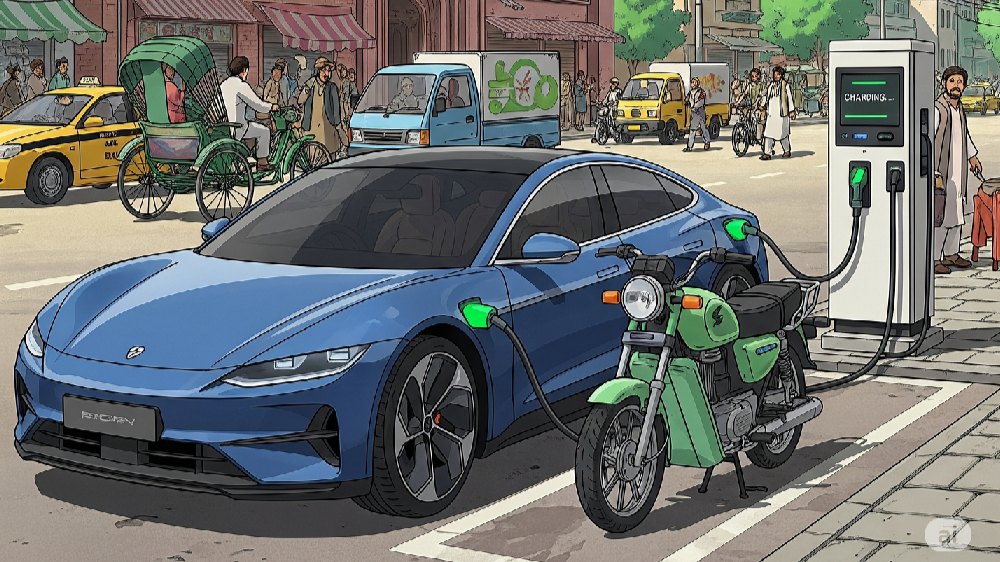
The numbers are starting to show movement. Electric two-wheelers and three-wheelers, such as rickshaws and motorcycles, are leading the change, with tens of thousands already on the roads. In Lahore, electric rickshaws are becoming more common and noticeable.
Although charging stations are still limited, they are expanding. The government has set up charging points along major highways, and private companies are also building networks for urban areas.
Public transportation offers a big chance for change. Electric buses in cities like Karachi and Lahore could greatly improve urban travel by lowering costs and reducing pollution in densely populated areas. Several provincial governments are talking with Chinese bus manufacturers about buying large numbers of electric buses.
Pakistan’s own manufacturing industry is starting to get involved. Local assembly of electric two-wheelers is already taking place. Making parts for electric vehicles and assembling batteries could be a big industrial opportunity for the country, especially with its young and skilled workforce and low labor costs.
The question isn’t if Pakistan will move towards electric vehicles. The question is how fast this change will happen and who will take the lead.
Read More: Pakistan Electric Vehicle Expo 2026 to Drive Investment in EVs
EV Expo Is Where It Starts
If you’re looking to understand where Pakistan’s electric vehicle journey is heading, there’s one event you shouldn’t miss this May. The Pakistan Electric Vehicle Expo 2026, running from May 15 to 17 at the Expo Centre in Lahore, is the country’s first major event bringing together the whole electric vehicle ecosystem.
This isn’t just a car show. It’s a big meeting point where the world’s top electric vehicle makers, charging station providers, battery tech companies, energy storage innovators, self-driving car developers, and alternative fuel experts will all come together in one place for three days, right in the heart of Pakistan’s most economically active city.
The Expo will display the latest electric cars, motorcycles, buses, electric boats, and eVTOLs. It will also have live tech demos, interactive exhibits, talks by global and local industry leaders, and direct access to top executives, government officials, and investors who are helping shape Pakistan’s electric future.
Whether you’re a consumer thinking about switching to electric, an entrepreneur looking for investment, a policymaker working on new rules, or an engineer wanting to know where the tech is going, the Pakistan EV Expo is designed for you.
The Strait of Hormuz won’t become more stable on its own. The cost of importing fuel won’t go down automatically. The air over Lahore won’t clear up by itself. But the road ahead? That road is electric. And it starts on May 15th.
Pakistan Electric Vehicle Expo happening from 15–17 May 2026 at Expo Centre, Lahore.
Find out more here.
The future is already charged up!

Established in December 2008, The Diplomatic Insight is Pakistan’s premier diplomacy and foreign affairs magazine, available in both digital and print formats.