Doha (TDI): Qatar is coordinating with Oman and Pakistan to revive negotiations between the United States and Iran as renewed military exchanges threaten efforts to de-escalate the conflict and restore normal navigation through the Strait of Hormuz.
Qatar’s Ministry of Foreign Affairs spokesperson Majed Al Ansari said on Tuesday that discussions with Pakistan and Oman were continuing as regional governments seek to bring Washington and Tehran back to the negotiating table.
“We urge the parties to exercise wisdom and return to the negotiating path, and we continue to intensify our efforts with our mediation partners to ensure a return to that path,” Al Ansari said during the Foreign Ministry’s regular press briefing.
The diplomatic push follows renewed exchanges between Washington and Tehran after the United States carried out strikes against Iranian targets near the Strait of Hormuz. Iran subsequently retaliated against US military targets in the region, raising concerns over a wider regional escalation.
Read More: Pakistan Vows Continued Peace Efforts Despite Fresh US-Iran Escalation
Al Ansari warned against allowing disruption to the Strait of Hormuz to become a normalized feature of the conflict, stressing the need for a peaceful settlement that would also restore freedom of navigation through the strategic waterway.
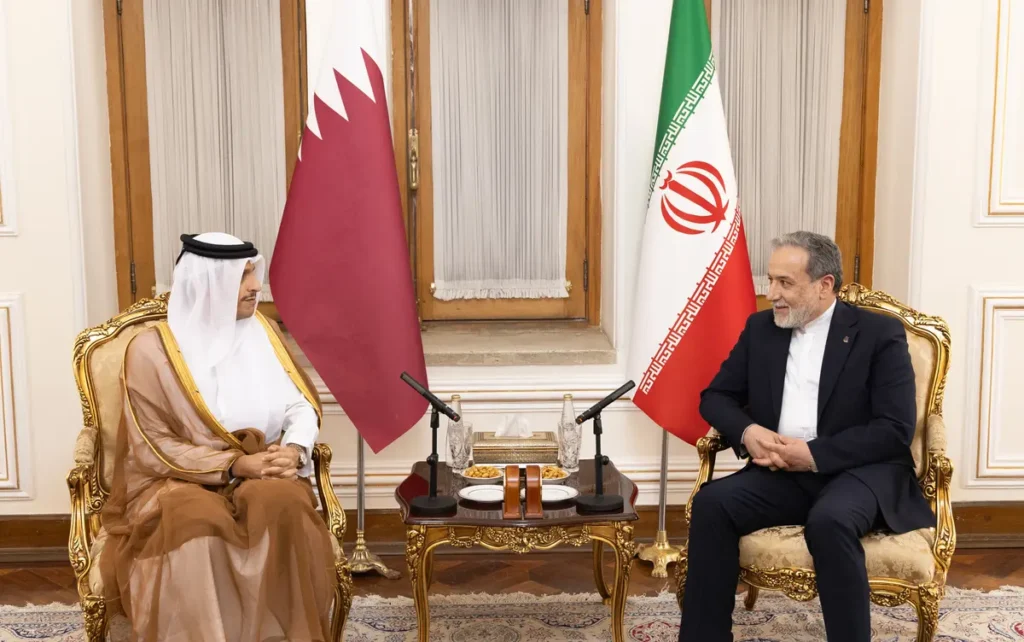
Qatar has intensified its direct engagement with Iran in recent weeks. Prime Minister and Minister of Foreign Affairs Sheikh Mohammed bin Abdulrahman bin Jassim Al Thani visited Tehran last week, where he met Iranian Foreign Minister Abbas Araghchi to discuss de-escalation and conditions for renewed dialogue.
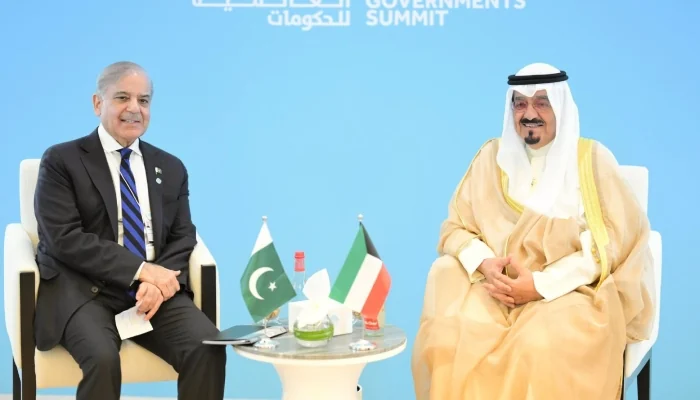
Pakistan has also maintained engagement with both sides and backed a return to understandings reached earlier this year. Oman, which has historically facilitated talks between Washington and Tehran, remains involved in discussions concerning the Strait of Hormuz.
The latest diplomatic activity coincides with Iranian President Masoud Pezeshkian signaling Tehran’s willingness to return to an earlier agreement with Washington.
Read More: Iran, US Trade Fresh Strikes in Escalating Conflict
Speaking on Tuesday, Pezeshkian said Iran would respond reciprocally if the United States returned to its commitments under the June understanding aimed at ending hostilities.
The Strait of Hormuz remains central to efforts to contain the crisis. As one of the world’s most important energy corridors, prolonged disruption to the waterway carries implications for Gulf economies, international shipping and global energy markets.
Doha maintains that negotiations offer the most viable route to resolving the crisis. The involvement of Qatar, Oman and Pakistan provides Washington and Tehran with established regional channels for dialogue at a time when renewed hostilities risk narrowing the space for a negotiated settlement.

Anoush Taimur is an International Relations graduate from DHA Suffa University, Karachi, currently based in Doha. Her research interests include Gulf politics, small-state diplomacy, Global South studies and conflict
mediation. Her work examines how states create influence through connectivity, institutions and strategic relationships. She can be reached at [email protected]