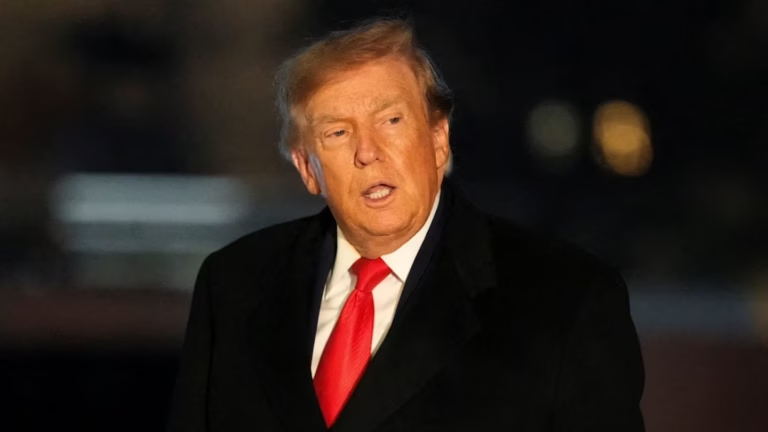

Islamabad (TDI): Pakistan has reaffirmed its commitment to promoting dialogue and diplomacy between the United States and Iran despite a fresh escalation in hostilities between the two countries.
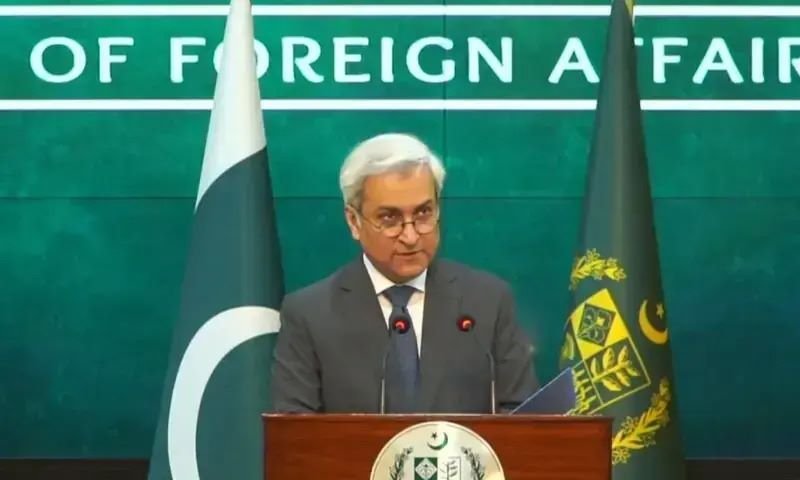
Foreign Office Spokesperson Tahir Andrabi said Pakistan remained hopeful about a peaceful resolution and would continue its diplomatic efforts to bring the two sides back to the negotiating table.
Speaking at the weekly press briefing, Andrabi said the latest exchange of attacks was “concerning and undesirable,” but Islamabad did not consider it a failure of its diplomatic efforts.
He said armed conflicts generally pass through different stages, including de-escalation, a period of calm, ceasefire and eventually a return to negotiations.
The spokesperson said the Islamabad Memorandum of Understanding continued to provide a framework for restarting political and technical-level negotiations between Washington and Tehran.
Read More: Türkiye, Saudi Arabia, Pakistan Move to Institutionalize Makkah Defense Alliance
He said there was no question of declaring the peace framework ineffective, adding that strong statements from both sides were not unusual during periods of heightened tensions.
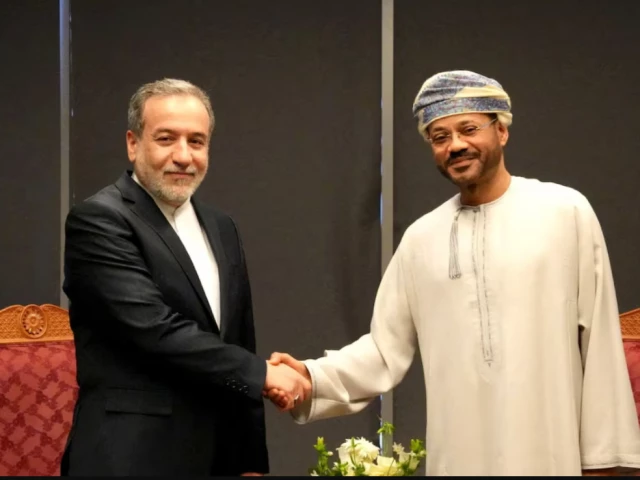
Andrabi said Chief of Defense Forces and Chief of Army Staff Field Marshal Syed Asim Munir’s recent visit to Tehran was an important part of Pakistan’s diplomatic efforts to reduce tensions and create momentum for negotiations.
He said subsequent visits by the leadership of Oman and Qatar also reflected continued diplomatic activity aimed at resolving the conflict.
On the Indus Waters Treaty, the spokesperson said the Permanent Court of Arbitration at The Hague had reaffirmed that the treaty remained binding and enforceable.
He said the court had rejected India’s unilateral attempt to place the treaty in abeyance, while reaffirming that the treaty’s dispute-resolution mechanism remained operational.
Andrabi said Pakistan welcomed the ruling, describing it as an important reaffirmation of international law and the sanctity of the treaty.
He said Islamabad remained committed to resolving all differences over the Indus Waters Treaty strictly within its established legal framework.
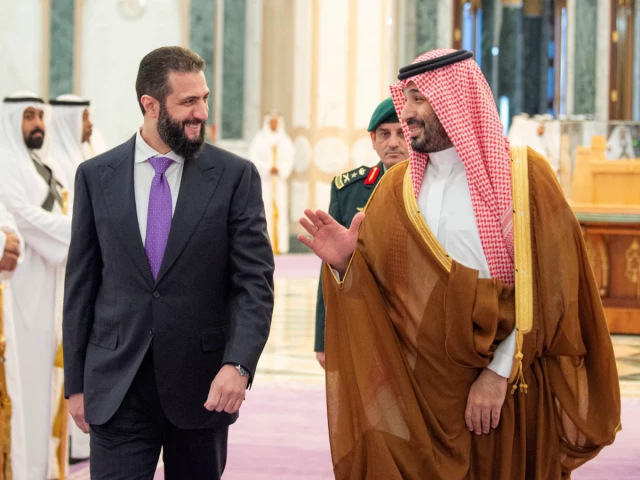
On the Makkah Joint Defense Agreement, Andrabi said Pakistan, Saudi Arabia and Türkiye had agreed to institutionalize cooperation under the agreement.
He said the Strategic Political and Defense Committee held its inaugural meeting in Istanbul on August 31, where the three countries reaffirmed their commitment to collective defence, regional security and reducing tensions.
A secretariat for the agreement will be established in Saudi Arabia, with its secretary-general initially appointed from Pakistan for a three-year term.
Read More: Xi, Putin, Modi, Shehbaz in One Room: A New Power Game For Eurasia?
The three countries will also expand cooperation in defense industries, joint technology development and enhancing the capabilities of their armed forces.
On Pakistan’s assumption of the Shanghai Cooperation Organization chairmanship, Andrabi said Islamabad would focus on regional peace, economic cooperation and connectivity under the theme “Turning Vision into Action: Connectivity, Innovation and Shared Prosperity.”
He said Pakistan would work closely with SCO member states during its one-year tenure and host the organization’s summit next year.
Regarding Prime Minister Shehbaz Sharif’s visit to Kyrgyzstan, the spokesperson said the premier met President Sadyr Japarov and discussed bilateral relations.
The two countries signed agreements and memoranda of understanding covering trade, investment, economic cooperation and other areas.
The prime minister also participated in the SCO Council of Heads of State meeting and the SCO Plus summit, while holding meetings with several world leaders.
Deputy Prime Minister and Foreign Minister Ishaq Dar also held meetings with the SCO secretary-general and the UN secretary-general.
On Kashmiri leader Yasin Malik, Andrabi said Pakistan completely rejected the case and sentence against him, describing the proceedings as politically motivated and contrary to fundamental requirements of justice.
He said Pakistan would continue raising Malik’s case at international and multilateral forums and urged the international community to take notice of the matter.
The spokesperson also paid tribute to veteran Kashmiri leader Syed Ali Geelani, saying he remained in Pakistan’s prayers.