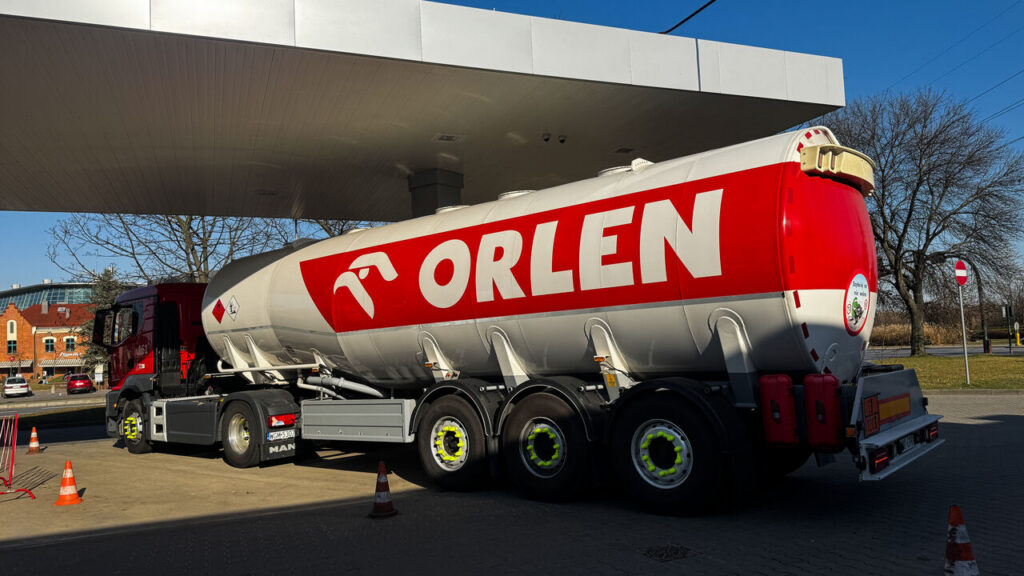
Poland’s state-controlled energy company, Orlen, has terminated its long-term liquefied natural gas supply contract with QatarEnergy, becoming the first customer of the Qatari producer to cancel a long-term deal since exports were disrupted by the Iran war.
In a regulatory filing late Tuesday, Orlen said that QatarEnergy can no longer meet its obligation to deliver 1 million tons of LNG a year. The contract was signed in 2009, deliveries began in 2016, and it was due to run until 2034.
The cancellation follows QatarEnergy’s decision at the end of October to extend its force majeure declaration through the end of 2026. The declaration, in place since spring, lets the company suspend contractual obligations because of events beyond its control.
Shipping through the Strait of Hormuz remains extremely dangerous: Iranian forces carried out 37 attacks on tankers in October, the highest monthly total since March.
Data from analytics firm Kpler show 31 LNG tankers carried cargoes through the strait last month, the most since February and up from 23 in September.
Read More: Pakistan Receives Second Qatar LNG Cargo in October
Most of those cargoes were loaded at Qatar’s Ras Laffan hub, which is still operating under force majeure. In two cases, cargoes loaded at Ras Laffan were moved onto other vessels after the original tankers had cleared the strait.
Even so, Qatar’s LNG exports are well below their prewar pace. The country shipped 2.7 million tons last month, compared with nearly 6.2 million tons in February.
The war has also damaged Qatar’s production base. QatarEnergy said in March that Iranian attacks on United States’ allies in the Gulf knocked out 17% of its export capacity, costing an estimated $20 billion in annual revenue.
The company has since been trying to keep supplying customers despite the force majeure, including by contracting significant volumes from U.S. producer Cheniere Energy.
Orlen’s move could be watched closely by other long-term buyers of Qatari gas, many of them in Europe and Asia, who have faced months of uncertain deliveries.