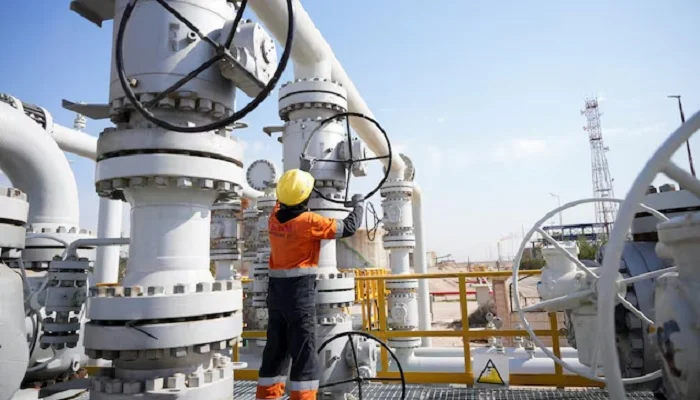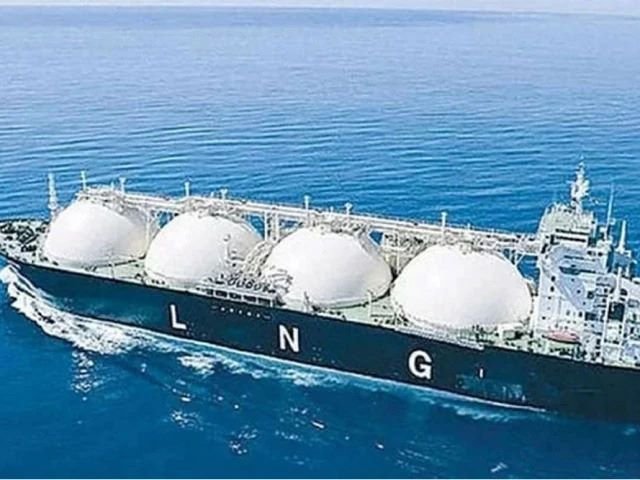
Islamabad (TDI): Pakistan has received its second liquefied natural gas (LNG) cargo from Qatar in October, with supplies from the shipment already being injected into the national gas network as the government seeks to maintain energy supplies while avoiding expensive purchases from the international spot market.
Sources in the Ministry of Energy said on Thursday that the latest shipment would help support domestic gas availability amid uncertainty over international LNG supplies and the risk of higher import costs ahead of the winter season, Geo News reported.
According to the sources, LNG purchased under Pakistan’s existing agreement with Qatar costs approximately $14 to $15 per million British thermal units (MMBtu), compared with spot-market prices that can reach $30 per MMBtu, it added.
The price difference has encouraged the government to prioritise contracted supplies and avoid buying additional cargoes at significantly higher rates wherever possible.
Ministry sources said authorities were making efforts to meet the country’s energy requirements through existing arrangements with Qatar, reducing the need for costly purchases on the international market.
Read More: Qatari LNG Cargo Expected to Reach Pakistan Within 3–5 Days
Pakistan received its first LNG cargo of October on October 14, when the vessel Al-Areesh berthed at Engro’s LNG terminal. Regasification of the shipment restored supplies of approximately 150 million cubic feet per day to the national gas network, according to earlier reports.
The arrival of a second cargo provides additional support for the country’s gas supply position, although the extent of relief will depend on the volume of the shipment and the availability of further deliveries.
Pakistan’s LNG procurement outlook has been affected by disruptions to regional energy infrastructure and shipping routes. QatarEnergy declared force majeure in March following damage to its Ras Laffan facility during the regional conflict, affecting contracted supplies to several customers, including Pakistan.
The disruption has heightened concerns about the reliability of imported gas supplies at a time when domestic demand is expected to rise during the winter months.
Read More: Qatar Warns Hormuz Crisis Is Constraining LNG Output
Pakistan relies on imported LNG to supplement declining domestic gas production and meet the fuel requirements of power plants, industries and other consumers. Any reduction in contracted deliveries can increase pressure on the government to secure replacement cargoes, potentially at higher prices.
The government has been exploring options to strengthen LNG availability, but purchases from the spot market expose the country to international price fluctuations and can increase the financial burden of energy imports.