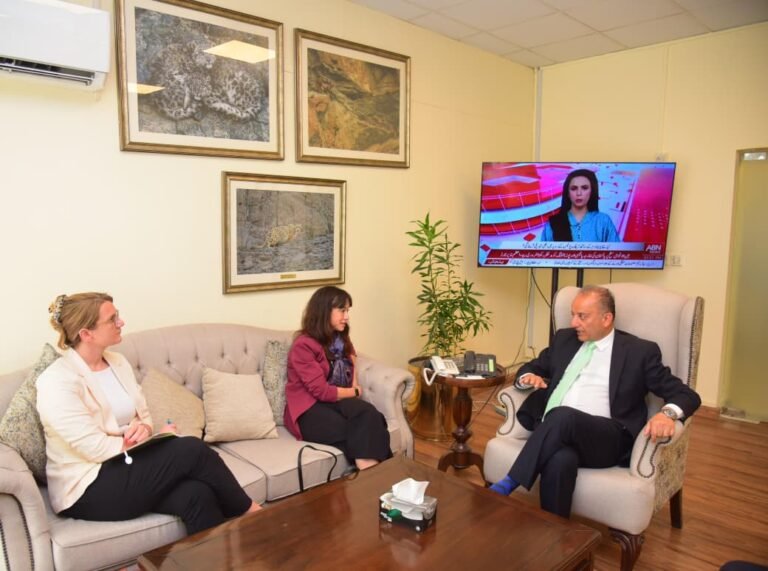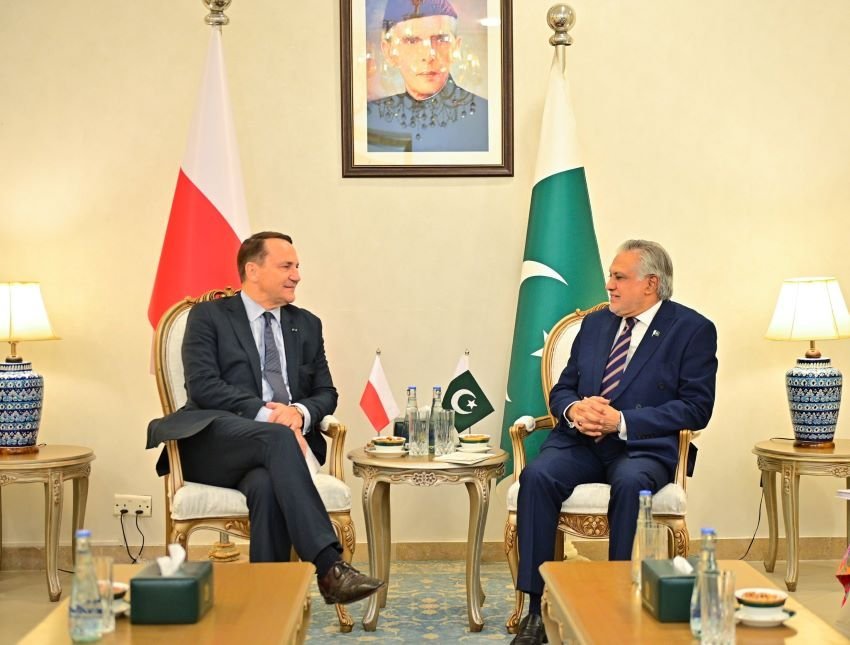
Poland’s Deputy Prime Minister and Foreign Minister Radosław Sikorski landed in Islamabad on Thursday, marking a pivotal moment in strengthening Pakistan-Poland relations. This visit holds significance on multiple fronts, ranging from regional dynamics to broader global concerns.
Historically, Pakistan and Poland have maintained cordial ties, but there’s untapped potential for deeper collaboration. This visit signifies a mutual desire to enhance cooperation in areas such as trade, defense, and technology. Both countries share a commitment to promoting peace, democracy, and development, which forms the foundation of their diplomatic relationship.
Sikorski’s meeting with his counterpart Ishaq Dar, highlights the economic and strategic importance of this engagement. Poland, being a member of the European Union, plays a crucial role in shaping regional policies, and its ties with Pakistan could offer economic opportunities for mutual growth.
Pakistan’s rapidly evolving economic landscape and Poland’s well-developed technological sector create a fertile ground for increased trade and investment. Areas like agriculture, energy, and education are potential fields for further collaboration. Poland’s expertise in infrastructure development and digital technologies could help Pakistan modernize various sectors.
Sikorski’s visit is timely, especially considering the shifting dynamics in South Asia and Europe. In the face of growing geopolitical tensions between the US and China, and within the EU, strengthening relationships with countries like Pakistan becomes vital. Pakistan’s strategic location in South Asia, bridging the Middle East, Central Asia, and China, makes it a key player in regional stability.
Read More: Pakistan, Poland Discuss Matters of Mutual Interests as Deputy PMs Meet
The geopolitical tensions in Afghanistan and the ongoing conflict between Pakistan and India also highlight the importance of dialogue and cooperation in the region. Poland, being an EU member, has a vested interest in promoting peace and stability in regions such as South Asia, where political instability can have far-reaching global consequences. Sikorski’s visit underscores Poland’s commitment to fostering peace through diplomatic engagement.
On a global scale, the visit comes at a time when multilateralism is being tested. The world faces pressing challenges such as climate change, energy security, and shifting power dynamics, especially with the rise of emerging economies. Poland, which has played an active role in EU foreign policy, brings valuable insights to the table on these global issues.
As Pakistan looks to further integrate itself into the global economy, Europe remains an essential partner. Sikorski’s visit is likely to explore how Poland and Pakistan can join forces in addressing global challenges, such as economic recovery post-pandemic, environmental sustainability, and tackling extremism.
Read More: Pakistan, Poland Set New Course for Trade and Energy Ties
Radosław Sikorski’s visit is more than just a diplomatic courtesy. It is a step toward strengthening the strategic partnership between the two nations and positioning them to face the challenges of the 21st century together. This visit reflects Poland’s proactive foreign policy, which emphasizes the importance of maintaining strong bilateral ties with key global players, especially in regions like South Asia.
For Pakistan, the visit is an opportunity to bolster its relationship with Europe, secure economic partnerships, and gain diplomatic leverage in global affairs.
As the global situation becomes increasingly complex, cultivating diverse international relationships like the one with Poland is crucial for Pakistan’s economic and political stability.

Farkhund Yousafzai is an Associate Editor at The Diplomatic Insight.