Islamabad (TDI): Pakistan has intensified its diplomatic efforts to ensure peace between Iran and the United States, as ongoing Israeli military actions in Lebanon are putting pressure on the fragile ceasefire and threatening upcoming negotiations.
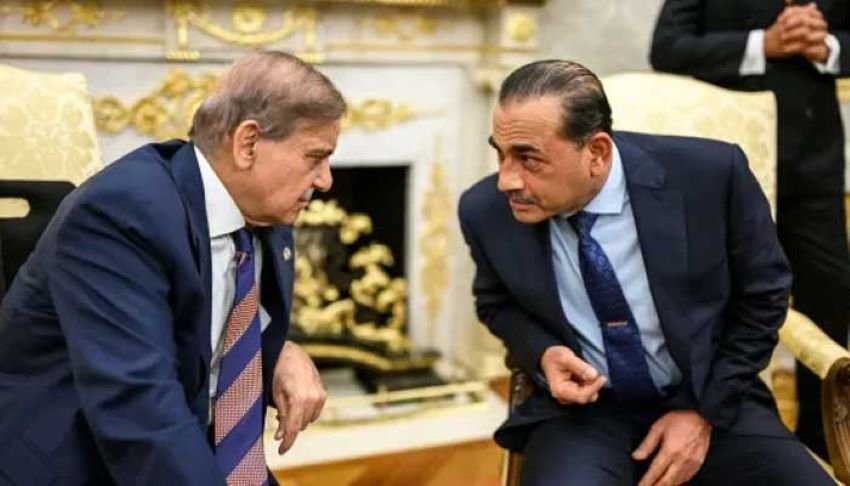
According to official statements, Prime Minister Shehbaz Sharif and Chief of Army Staff Field Marshal Asim Munir reviewed Pakistan’s mediation role and expressed satisfaction over the current reduction in tensions. They emphasized the importance of all parties maintaining the ceasefire and continuing dialogue in good faith.
The government reiterated its readiness to assist both sides in reaching a negotiated settlement, while Iranian officials credited Pakistan’s intervention in helping prevent a possible escalation after a reported ceasefire violation.
Prime Minister Shehbaz Sharif also engaged in extensive diplomatic outreach, speaking with several world leaders including those from Qatar, France, Bahrain, Germany, Italy, and Austria. During these discussions, he stressed the need to protect the ceasefire and prevent further deterioration of the situation in Lebanon. Many international leaders echoed concerns that continued violence could disrupt the planned talks in Islamabad.
Separately, Foreign Minister Ishaq Dar held additional consultations with counterparts from the UK, EU, Turkiye, Saudi Arabia, and other countries to build broader international support for the peace process.
Meanwhile, Pakistan is preparing to host the first direct high-level US-Iran talks scheduled to begin on April 11. The negotiations follow a recently brokered two-week ceasefire facilitated by Islamabad after weeks of conflict.
Read More: Islamabad on High Alert with 10,000 Security Personnel Ahead of US–Iran Talks
Security has been tightened in the capital, with strict protocols, restricted access areas, road closures, and public holidays announced in Islamabad. Delegations from both countries are expected to arrive shortly, with senior US and Iranian officials participating.
The talks are expected to focus on Iran’s proposed framework, which includes demands such as an end to hostilities, sanctions relief, recognition of nuclear rights, and regional security guarantees. The United States is likely to push for limits on Iran’s nuclear activities and greater verification mechanisms.
Read More: US Envoy Assured of Security as Islamabad Goes on High Alert for US–Iran Talks
However, major challenges remain. Key points of disagreement include Iran’s nuclear program, sanctions, regional conflicts, especially in Lebanon, and tensions over maritime control in the Strait of Hormuz.