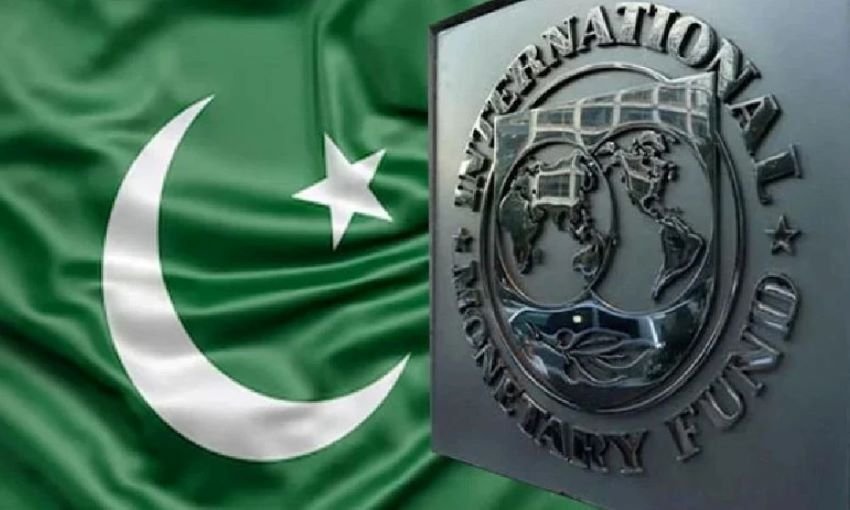
Islamabad (TDI): Pakistan and the International Monetary Fund (IMF) have reached a staff-level agreement that will unlock around $1.2 billion for the country, pending final approval by the Fund’s executive board.
The agreement follows the successful completion of the third review under Pakistan’s Extended Fund Facility and the second review under the Resilience and Sustainability Facility. Under the deal, Pakistan is expected to receive roughly $1.0 billion through the EFF and an additional $210 million via the RSF, bringing total disbursements under both programmes to about $4.5 billion.
The IMF noted that Pakistan’s economic programme remains broadly on track. Authorities have continued efforts to stabilise public finances, keep inflation within the State Bank of Pakistan (SBP) target range, and push forward reforms in the energy sector and broader economy. Social protection initiatives and spending on health and education are also being reinforced.
Talks between IMF officials and Pakistani authorities were held in Karachi and Islamabad from late February to early March, followed by virtual discussions.
IMF mission chief Iva Petrova said that ongoing reforms have helped strengthen economic conditions and restore investor confidence. Economic activity has picked up after last year’s recovery, while inflation and the current account have remained under control. External buffers have also improved.
Read More: UAE Rolls Over $2bn Loan to Pakistan Ahead of Key IMF Review
However, the IMF warned that the ongoing conflict in the Middle East poses risks to the outlook. Rising energy prices and tighter global financial conditions could put renewed pressure on inflation, growth, and Pakistan’s external balance.
The Fund acknowledged Pakistan’s commitment to maintaining prudent fiscal policies. The government aims to achieve a primary surplus of 1.6% of GDP in FY26 and increase it further to 2% in FY27. Efforts to broaden the tax base and control spending are underway, alongside increased allocations for social sectors.
Reforms within the Federal Board of Revenue (FBR) are already showing progress, with steps taken to improve tax collection, introduce digital invoicing, and strengthen internal governance. A newly established Tax Policy Office is also working on a medium-term tax reform strategy to ensure stability and efficiency.
To shield vulnerable groups from rising living costs, the government is expanding support through the Benazir Income Support Programme (BISP). Measures include inflation-adjusted cash transfers, broader coverage, and improved payment systems.
On the monetary side, the SBP remains focused on controlling inflation and has signaled readiness to tighten policy further if needed. The IMF also stressed the importance of maintaining exchange rate flexibility to absorb external shocks.
Read More: Pakistan Hopes for Ending IMF Reliance Through Surging Aircraft Exports
In the energy sector, the government has reiterated its commitment to reducing circular debt and improving efficiency. This includes timely tariff adjustments, limiting subsidies, upgrading transmission systems, and moving toward a more competitive electricity market while promoting renewable energy.
The IMF highlighted that broader structural reforms remain critical for long-term growth. These include privatising state-owned enterprises, reducing regulatory burdens, encouraging private sector participation, and strengthening anti-corruption measures.
Climate-related reforms under the RSF are also progressing. Pakistan is working on initiatives to improve climate resilience, including better water management, disaster risk financing, and aligning energy policies with environmental goals.
The IMF concluded by appreciating the cooperation of Pakistani authorities, the private sector, and development partners during the negotiations, describing the discussions as constructive and productive.