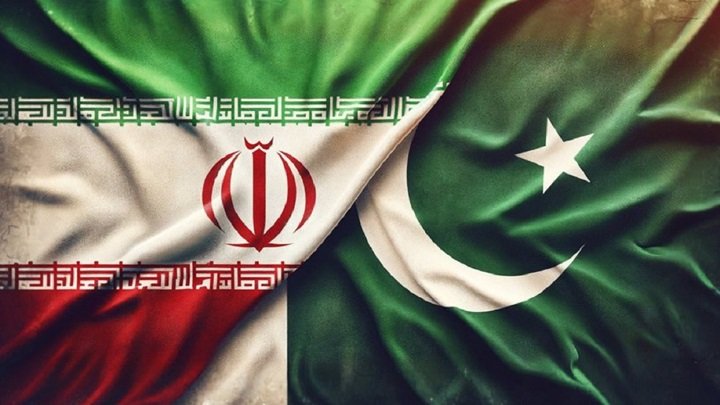
Islamabad (TDI): Pakistan has relaxed certain trade rules with Iran, allowing exporters to continue sending key goods through land routes as regional tensions disrupt maritime trade.
According to officials, exporters can now ship food items and pharmaceutical products to Iran without using mandatory banking channels. The temporary exemption applies for three months, from March 24 to June 21, Dawn reported.
Under the decision, 10 food items have been cleared for export via land, including rice, seafood, potatoes, meat, onions, maize, citrus fruits, bananas, tomatoes, and frozen chicken. In addition, pharmaceutical products and tents are also included in the list.
At the same time, the government has allowed rice exports to Central Asian Republics and Azerbaijan through Iran’s land corridor, expanding trade routes amid uncertainty in the Gulf region.
Despite the relaxation, exporters will still be required to provide an undertaking ensuring that export proceeds are brought back into the country within the stipulated timeframe.
Officials described the move as a routine extension of earlier exemptions, introduced to keep trade flowing with Iran in the absence of formal banking channels. Due to international sanctions and financial restrictions, conventional payment systems between the two countries remain limited.
Pakistan also operates a barter trade mechanism with Iran, enabling goods to be exchanged directly without relying on financial transactions.
Read More: Pakistan Braces for Inflation Spike as US–Israel War on Iran Drives Oil Shock
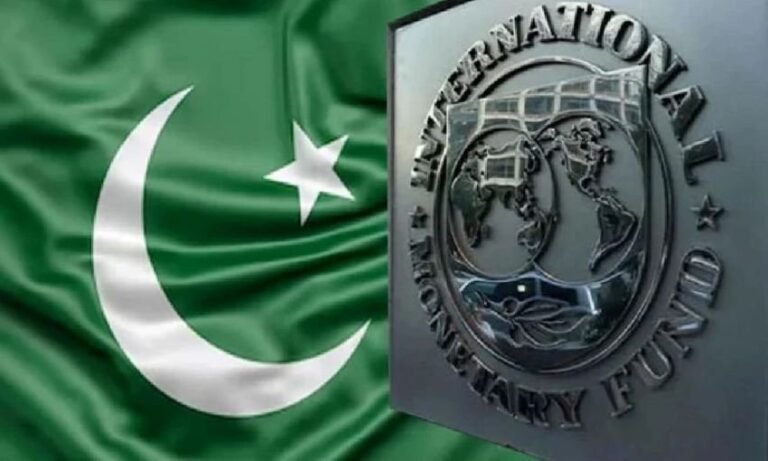
The requirement to use formal banking instruments for trade was introduced in 2016 by the State Bank of Pakistan after regulatory changes linked to the Financial Action Task Force (FATF). These rules had significantly affected trade with Iran, where banking channels are constrained.
Although exporters had previously obtained legal relief to bypass the requirement, the condition was reinstated in October 2024. Since then, exporters have repeatedly sought exemptions, leading the government to grant temporary relaxations every few months to facilitate essential trade.
Authorities maintain that the export of food and medicines does not violate international sanctions, allowing such trade to continue under eased conditions.
To further improve border trade management, Pakistan has also established a new customs station at Jeerak in Panjgur along the Pakistan-Iran border. The facility is intended to regulate cross-border movement, improve documentation, and shift informal trade into formal channels.
Read More: Islamabad’s Moment: Why Only Pakistan Can Broker an End to Iran War
This development follows the opening of additional border crossings in recent months, including Kohak Cheedgi and Gabd Rimdan, as part of broader efforts to promote legal trade and curb smuggling while supporting local businesses.