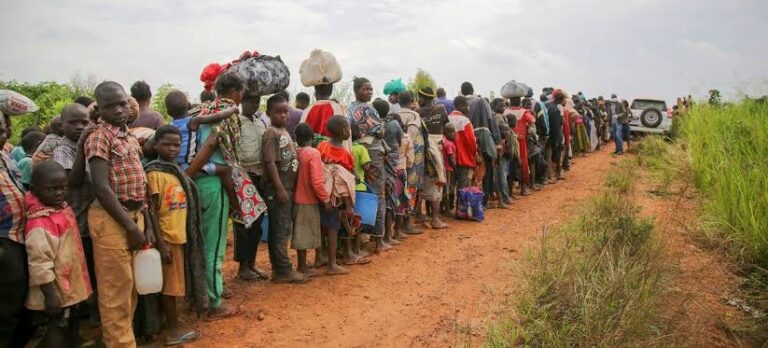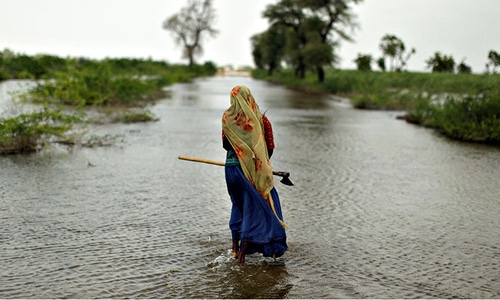
Last year, Pakistan witnessed devastating floods, particularly in its northern regions. Torrential rains, glacial lake outbursts, and overflowing rivers submerged entire communities, causing widespread destruction. Hundreds of people lost their lives, thousands were injured, and millions were displaced.
Homes, schools, roads, bridges, hospitals, and agricultural land were severely damaged, leaving countless families without shelter or livelihoods.
These recurring floods are not merely natural disasters; they are a warning of the growing impacts of human-induced climate change. Although Pakistan contributes less than one percent of global greenhouse gas emissions, it remains among the countries most vulnerable to climate-related disasters.
Rising global temperatures have accelerated the melting of glaciers in the Himalayas, Karakoram, and Hindu Kush mountain ranges, increasing the risk of flash floods and other extreme weather events.
Climate change is no longer a distant threat—it is a reality that is already affecting our daily lives. Heatwaves are becoming more intense, rainfall patterns are increasingly unpredictable, and droughts and floods occur with alarming frequency.
These changes are driven largely by human activities, including deforestation, excessive carbon emissions, unplanned urbanization, and the continued dependence on fossil fuels. By exploiting nature without responsibility, we are disrupting the environmental balance that sustains life.
Addressing this crisis requires immediate and collective action. Large-scale deforestation must end, and degraded forests should be restored through effective reforestation programs. Infrastructure development near rivers, floodplains, and environmentally sensitive areas must be carefully regulated.
Protecting wetlands and natural waterways is equally important, as they help reduce flood risks. At the same time, Pakistan should accelerate its transition to renewable energy sources such as solar and wind power to reduce greenhouse gas emissions.
Climate awareness is just as important as climate policy. Every citizen has a responsibility to protect the environment by conserving water, reducing waste, planting trees, and supporting sustainable practices. Schools, universities, media organizations, and civil society must work together to promote environmental education and encourage responsible behavior.
The government also has a crucial role to play. While several initiatives have been introduced, much stronger policies, better implementation, and long-term planning are urgently needed. Investing in climate-resilient infrastructure, strengthening early warning systems, enforcing environmental laws, and improving disaster preparedness should become national priorities. Protecting vulnerable communities must not be an afterthought but a central part of development planning.
Climate change is not the responsibility of governments alone. It is a shared challenge that demands commitment from policymakers, businesses, communities, and every individual. The choices we make today will determine the future we leave for our children.
Pakistan can no longer afford to treat climate change as tomorrow’s problem. The cycle of climate disasters is becoming more severe with each passing year. The time for debate has passed; the time for meaningful action is now. By working together to protect our environment and strengthen our resilience, we can build a safer, greener, and more sustainable Pakistan for generations to come.
Imran Patras
Imran Patras is a youth climate advocate and student with an interest in environmental sustainability and community development.