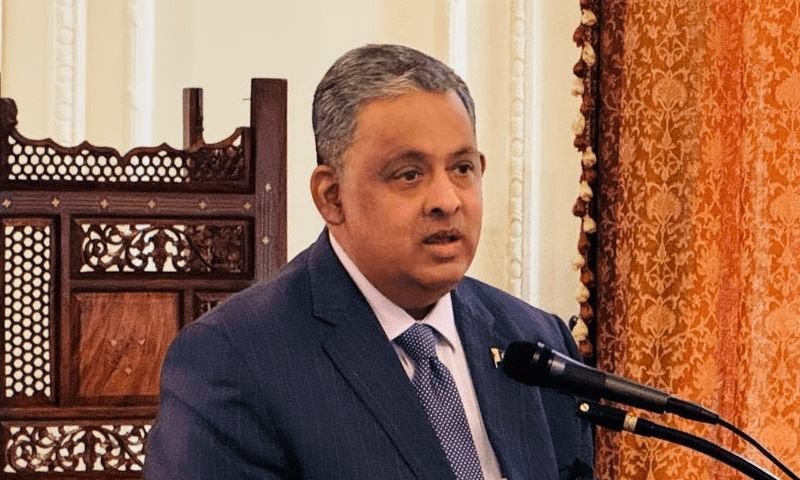
Washington (TDI): Islamabad’s diplomatic efforts in helping secure a temporary ceasefire between the United States and Iran have attracted global attention, with Pakistan’s Ambassador to Washington, Rizwan Saeed Sheikh, said the development was the result of weeks of sustained and careful diplomatic engagement.
He explained that Pakistan’s involvement was based on trust from both sides, continuous consultations, and a deliberate approach that emphasized discretion throughout the process.
Speaking in an interview with CNN on Wednesday, the ambassador noted that the breakthrough followed intense back-channel diplomacy. His remarks came as Washington confirmed it would send a high-level negotiating team, led by Vice President J.D. Vance, to Islamabad to begin formal discussions aimed at ending hostilities after the ceasefire announcement.
While the ambassador did not go into detailed country-specific roles, he acknowledged China’s constructive and steady stance during the process.
Read More: Trump Says US Will Work Closely With Iran After Pakistan-Brokered Ceasefire
He noted that Beijing consistently urged restraint and encouraged both sides to allow space for diplomacy. This aligns with broader diplomatic assessments suggesting that China used its influence with Tehran to encourage Iran to engage in dialogue.
Analysts believe that assurances, whether direct or indirect, regarding the durability of the ceasefire helped convince Iran to agree to pause hostilities. Reports indicate that Iran had initially sought guarantees that any ceasefire would hold long enough to allow meaningful negotiations to begin.
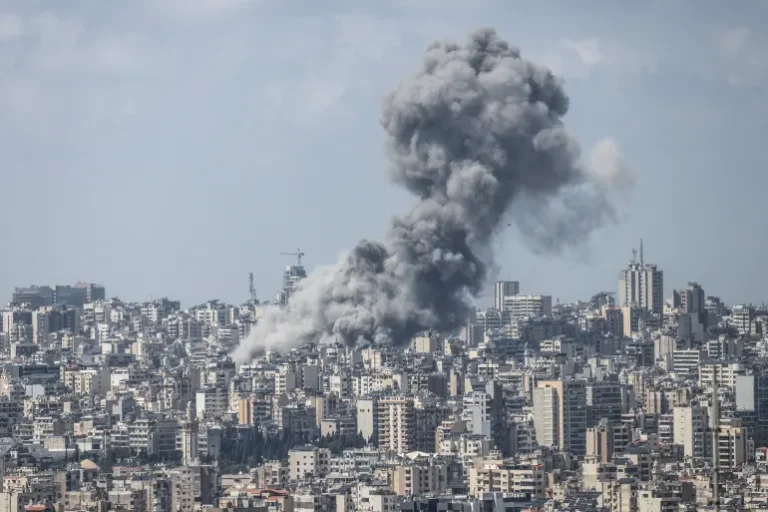
The United States, which had been close to a significant military escalation, agreed to the two-week ceasefire following sustained indirect engagement supported by Pakistan.
The announcement by President Donald Trump came shortly before a deadline he had set for Iran to reopen the Strait of Hormuz, a critical global energy route.
Ambassador Sheikh emphasized Pakistan’s role as a facilitator, stating that the country acted in good faith to help bridge differences between the parties. He also stressed that confidentiality was essential to the process, noting that secrecy played a key role in enabling progress.
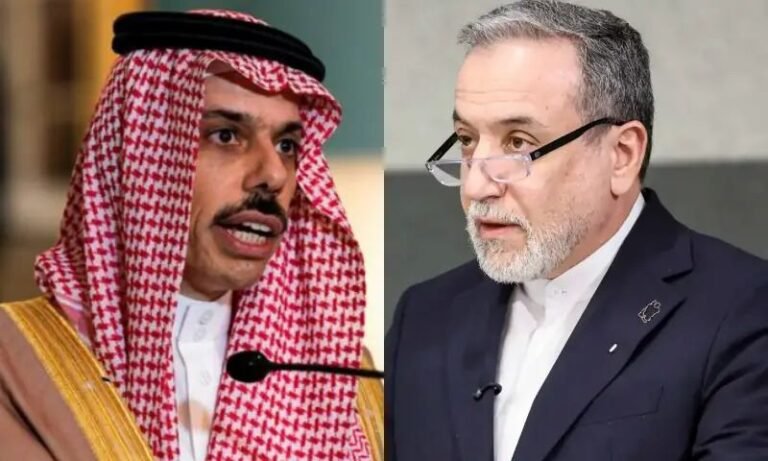
A key aspect of Pakistan’s diplomatic effort involved close coordination with Gulf Cooperation Council (GCC) states, particularly Saudi Arabia.
Read More: Pakistan at the Center: World Leaders Praise Role in US–Iran Ceasefire
The ambassador pointed to Pakistan’s longstanding relationships with Gulf nations, including the large number of Pakistani expatriates in the region. He said these partners were regularly consulted throughout the crisis, with communication occurring frequently during the most intense phases.
Although Riyadh’s exact involvement has not been publicly detailed, its coordination with Islamabad is seen as an important factor in maintaining regional balance during the escalation.