Islamabad (TDI): Pakistan has intensified diplomatic engagement with key regional partners, reaching out to Saudi Arabia and China in an effort to ease escalating tensions and conflict between Iran and the United States and Israel.
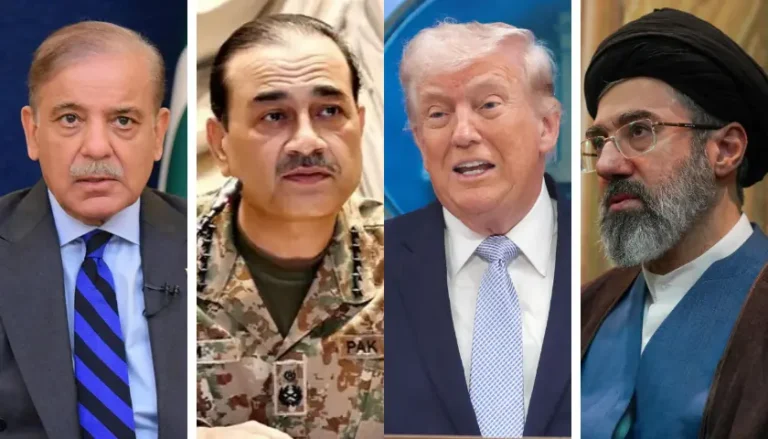
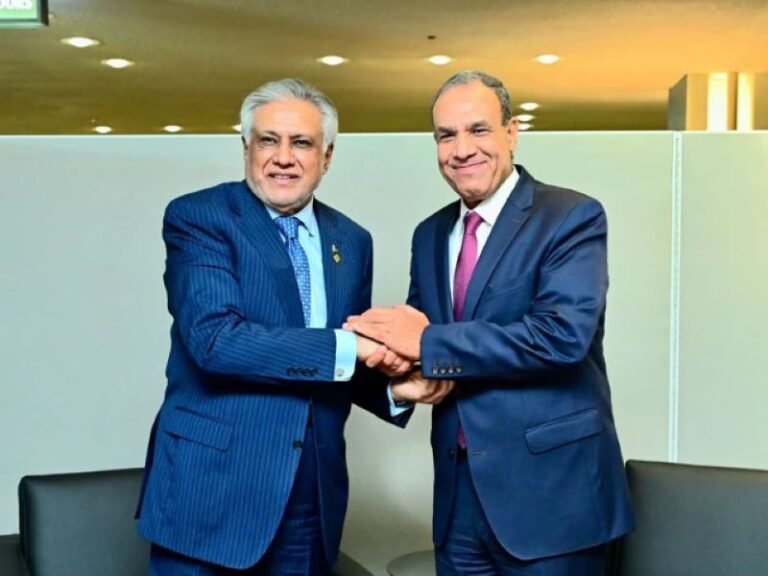
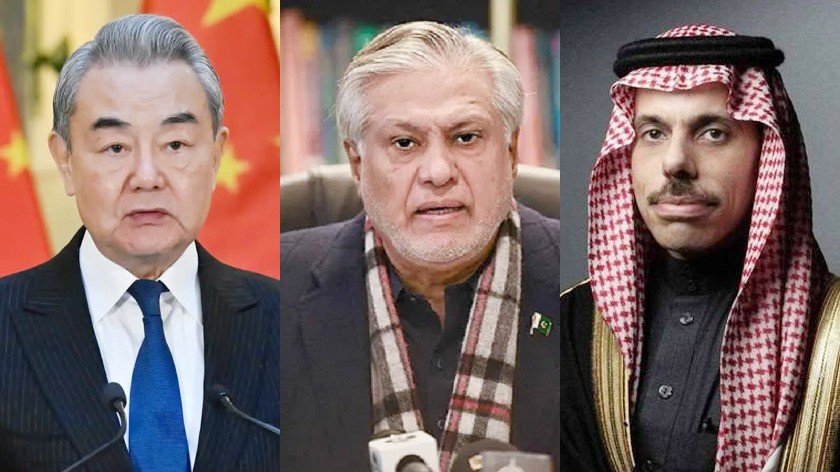
Pakistan’s Deputy Prime Minister and Foreign Minister, Ishaq Dar, held separate telephone conversations with Saudi Foreign Minister Prince Faisal bin Farhan and Chinese Foreign Minister Wang Yi, on Tuesday, emphasizing the urgent need for diplomatic engagement and de-escalation across the region, according to Pakistan’s foreign office.
The outreach comes as hostilities in the Middle East intensify following coordinated strikes by the United States and Israel on Iran on February 28, which triggered retaliatory attacks by Tehran.
Iran has since launched missile and drone strikes targeting Israeli positions and US military bases across the region, while also striking energy infrastructure. The escalation has engulfed the whole Gulf region and has badly disrupted global oil markets.
Deputy Prime Minister and Foreign Minister Senator Mohammad Ishaq Dar @MIshaqDar50 held a telephonic conversation today with the Foreign Minister of China, H.E. Wang Yi.
They exchanged views on the evolving regional situation and broader global developments. DPM/FM shared… pic.twitter.com/40eF0ohVFL
— Ministry of Foreign Affairs – Pakistan (@ForeignOfficePk) March 10, 2026
During his call with Prince Faisal, Dar discussed the latest developments in the Middle East and ongoing deliberations at the United Nations Security Council. He reiterated Pakistan’s position that continued coordination and diplomatic dialogue are essential to reducing tensions and restoring stability.
In a separate conversation with Wang Yi, both officials reviewed the evolving regional situation and wider global developments. According to Pakistan’s foreign office, the Chinese foreign minister welcomed Islamabad’s efforts aimed at promoting stability and easing tensions in the region.
Pakistan has been actively engaging multiple regional actors in recent weeks as it seeks to support efforts for a ceasefire and prevent further escalation. Officials say Islamabad is concerned not only about regional security but also about the economic repercussions of the conflict.
Deputy Prime Minister / Foreign Minister Senator Mohammad Ishaq Dar @MIshaqDar50 spoke this evening with the Foreign Minister of Saudi Arabia, H.H. Faisal bin Farhan Al Saud @FaisalbinFarhan.
They discussed evolving developments in the Middle East and the wider region, and… pic.twitter.com/CulETnI9ui
— Ministry of Foreign Affairs – Pakistan (@ForeignOfficePk) March 10, 2026
The impact of the crisis is already being felt in Pakistan. Rising global oil prices, partly driven by disruptions to energy infrastructure and partly by Iran’s blockade of the Strait of Hormuz, have forced Islamabad to increase petrol and diesel prices by Rs55 per liter.
The government has also introduced austerity and energy-saving measures while reviewing fuel supplies and exploring alternative import routes to ensure stability in domestic markets.
Pakistan’s diplomatic outreach is also very much rooted in its desire to maintain balanced relations with major regional stakeholders while advocating a political resolution to the crisis.