New York (TDI): Oil prices edged higher on Friday, although they remained on track for a weekly decline as investors grew skeptical about the likelihood of a breakthrough in ongoing US-Iran peace negotiations.
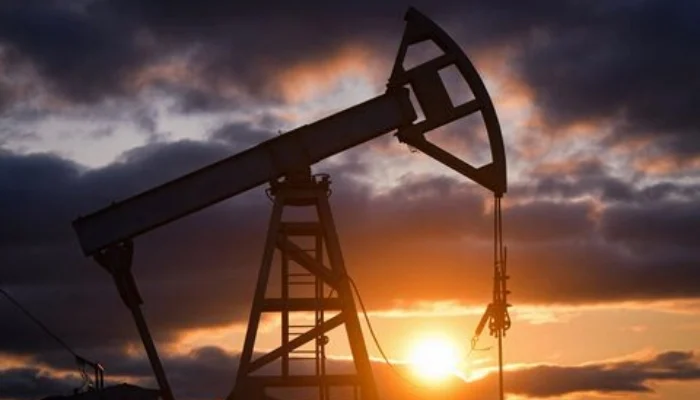
Brent crude futures rose $1.66, or 1.6%, to $104.24 a barrel, while US West Texas Intermediate (WTI) gained $1.11, or 1.2%, reaching $97.46 by early trading hours.
Despite Friday’s gains, both benchmarks were set for significant weekly losses, with Brent down 4.6% and WTI falling 7.6% amid volatile trading driven by shifting expectations over a potential diplomatic deal, Reuters reported.
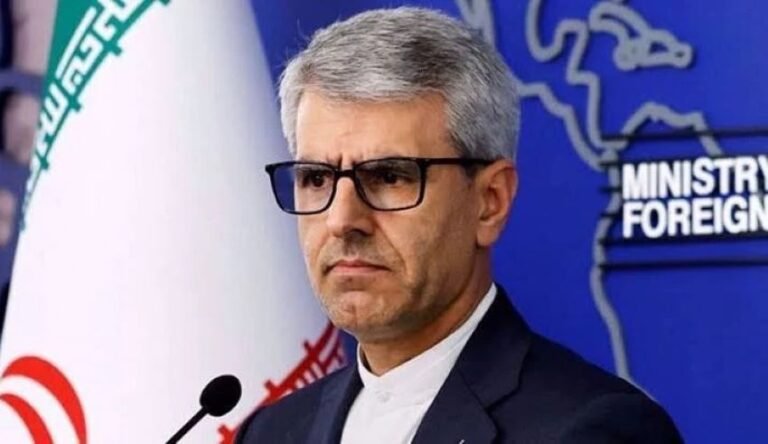
Market sentiment has been influenced by mixed signals from negotiations, with a senior Iranian source telling Reuters that gaps between Tehran and Washington have narrowed, while US Secretary of State Marco Rubio pointed to “some good signs” in talks.
However, key disagreements remain unresolved, particularly over Iran’s uranium enrichment stockpile and proposed restrictions on maritime control in the Strait of Hormuz.
Analysts said uncertainty surrounding the talks continues to dominate price movements, with expectations that any sustained downward trend in oil prices would depend on improved global supply fundamentals.
Read More: Middle East Turmoil Dims Asia-Pacific Growth Outlook
One commodities expert noted that such improvements are unlikely to materialise in the near term, suggesting that market tightness could persist into 2027.
Another analyst projected that WTI crude is likely to remain in the $90–110 per barrel range in the coming week, reflecting continued volatility driven by geopolitical risk.
BMI, a unit of Fitch Solutions, revised its average Brent forecast for 2026 upward to $90 per barrel, citing ongoing supply constraints, damaged energy infrastructure in the Middle East, and a delayed return to normal production levels.
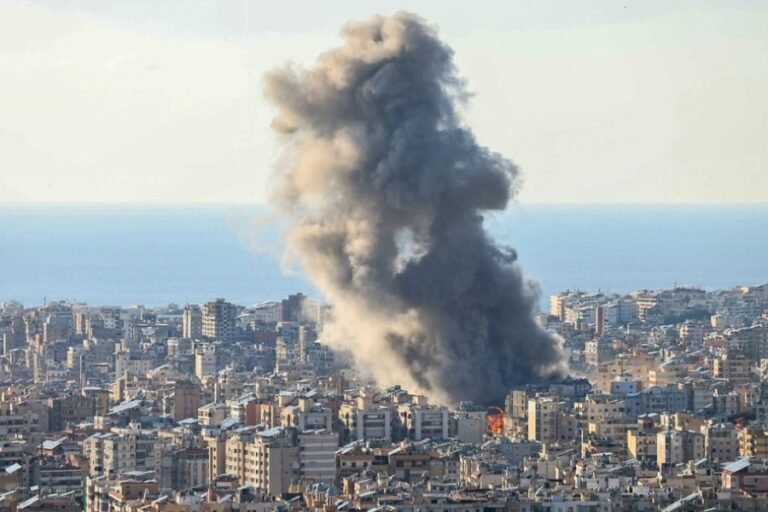
The conflict has significantly disrupted global energy flows, with an estimated 14% of global oil supply affected and major exporters in the Gulf region facing reduced throughput through key shipping routes.
Read More: Oil Climbs as Uncertainty Over US-Iran Talks Persists
Industry estimates suggest that full restoration of oil flows through the Strait of Hormuz could take until 2027, even if hostilities were to end in the near term.
Meanwhile, OPEC+ producers are expected to consider a modest increase in output at their upcoming meeting, though actual supply adjustments remain uncertain due to ongoing regional disruptions.
As markets continue to react to geopolitical developments, traders remain focused on diplomatic progress between Washington and Tehran, which is seen as a key factor in stabilising global energy prices.