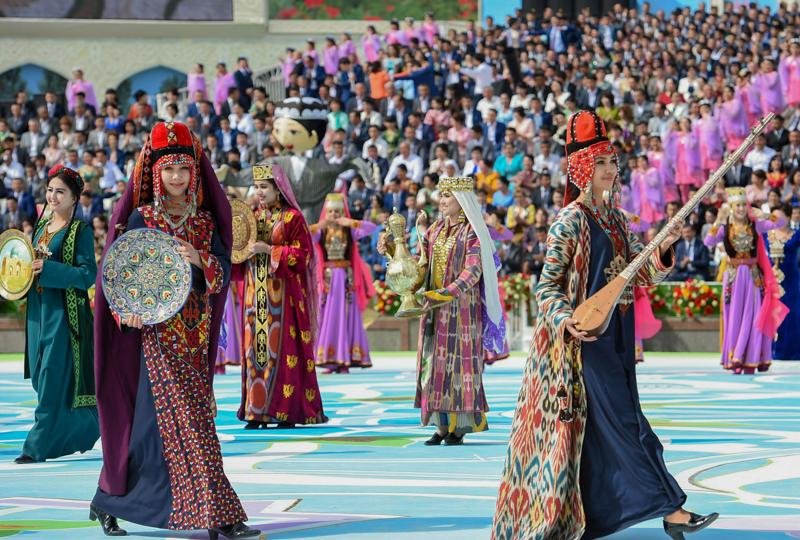
In the modern era, Navruz is not only an ancient tradition but also a means of preserving culture and national identity. Navruz with a history spanning thousands of years is considered one of the oldest celebrations among Persian-speaking peoples. This beautiful spring holiday begins with the arrival of the vernal equinox, symbolizing the revival of nature, the renewal of life, and friendship and mutual understanding among people.
Navruz is one of the ancient holidays of the peoples of Central Asia and the Middle East, which for centuries has served not only as a celebration of spring but also as a symbol of friendship, peace, and mutual understanding among nations. As it contributes to strengthening cultural relations and international cooperation, in modern times Navruz can be regarded as an important instrument of soft diplomacy. The celebration unites peoples from different parts of world and provides a platform for intercultural dialogue.
The concept of soft diplomacy refers to influence through culture, values, and traditions. Navruz plays precisely this role. Navruz festival is widely celebrated in many countries, including Tajikistan, Iran, Afghanistan, Uzbekistan, and Kazakhstan. Through the celebration of this festival, countries can strengthen cultural and political relations and promote the values of peace, friendship, and solidarity among nations.
Despite its thousands-year history, in modern times Tajikistan has played a particularly important role in promoting Nфмruz at the international level.
At the initiative of President of the Republic of Tajikistan, Emomali Rahmon, the issue of recognizing Navruz was raised at the global level. Tajikistan, together with several other countries, proposed that this ancient celebration be recognized as a shared cultural heritage of humanity.
As a result of this initiative, on February 19, 2010, during the 64th session of the United Nations General Assembly, International Navruz Day was proclaimed, and today it is celebrated around the world with great splendor.
In addition, on September 30, 2009, Navruz was inscribed on the UNESCO Representative List of the Intangible Cultural Heritage of Humanity. This step contributed to presenting the ancient culture of the peoples of the region on the international stage.
Read More: How Nowruz Promotes Cultural Diplomacy
Today, it is a source of pride for the people of Tajikistan and all countries within the civilization of Navruz that this ancient and beautiful celebration of nature has been declared an international holiday by the United Nations. This significant achievement is the result of the joint efforts and long-term initiatives of Tajikistan and several friendly nations.
Considering that the peoples of Central Asia have historically maintained close relations, the celebration of Navruz has also spread among the Turkic-speaking countries of the region—especially among Uzbeks, Kyrgyz, Kazakhs, and Turkmens—as a result of cultural, social, and economic ties as well as geographical proximity.
The traditions and customs of Navruz have been preserved in major cities such as Samarkand, Bukhara, Nasaf, Termez, and Denau, where Tajiks have lived since ancient times and are among the indigenous populations. Today, Uzbek people celebrate Navruz with similar customs too.
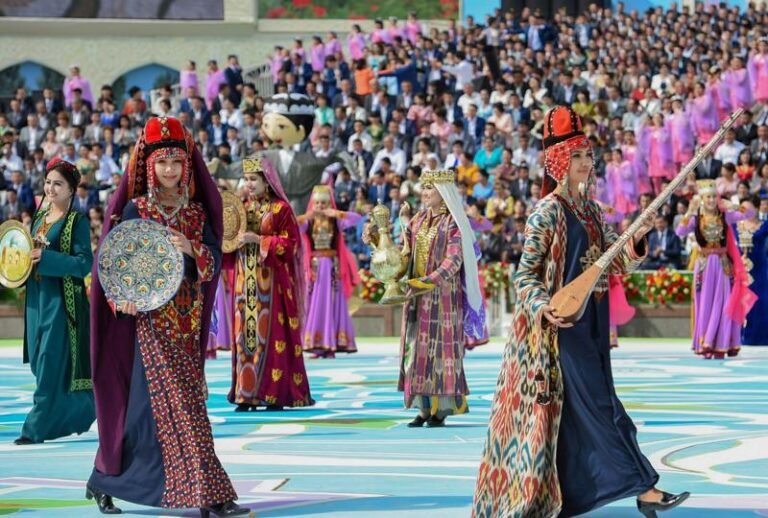
In Uzbekistan, Navruz is celebrated with great magnificence. In various regions of Uzbekistan, a traditional Navruz dish called sumalak (known among Tajiks as sumanak) is prepared. Before the holiday, people clean their homes and beautify their surroundings.
On the day of the celebration, cultural programs, dances, songs, and national games are organized in public squares. One of the main festive dishes is sumalak, which women traditionally cook together overnight. Sporting competitions such as buzkashi and wrestling are also organized.
In Afghanistan, Nowruz is considered one of the most important holidays. The main center of the celebration is the city of Mazar-i-Sharif, where the famous ceremony known as “Janda Bala” takes place, involving the raising of a sacred flag. During the holiday, people wear national clothing, go on outings, and prepare special dishes such as haft-mewa.
In Iran, Navruz is one of the main national holidays. Before the festival, people carry out a traditional house-cleaning ritual called “khaneh-tekani”. On the day of Navruz, the Haft-Seen table is prepared, consisting of seven items that begin with the Persian letter “S.” People visit relatives and friends and exchange gifts. The Navruz celebration in Iran lasts for about 13 days and ends with the ceremony known as Sizdah Bedar.
In Kazakhstan, Navruz is celebrated under the name Nauryz. On this day, people set up traditional tents called yurts and welcome guests with national dishes. The main festive meal is Nauryz-kozhe, which is prepared from seven ingredients. National games, concerts, and cultural events are also organized during the celebrations.
Read More: Nowruz Celebrations in the Arab Countries
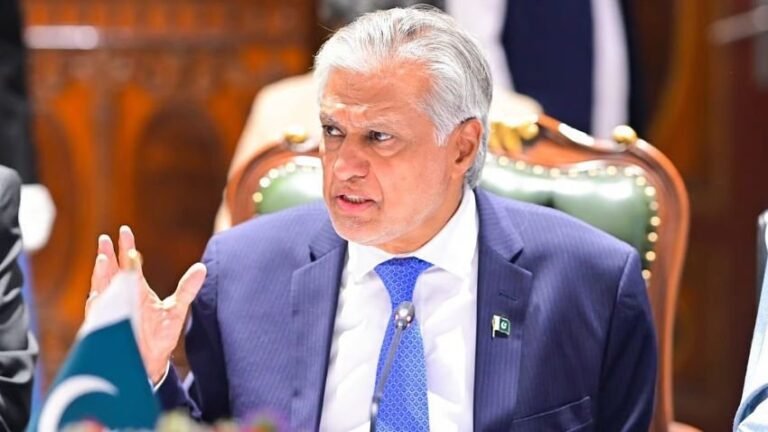
Navruz and its analogues are celebrated by several ethnic groups in Pakistan, and the holiday is not homogeneous, as different peoples have their own cultural roots and traditional sources associated with it. Moreover, the majority of Pakistan’s population is not involved in celebrating Navruz; therefore, it is not recognized by the country as an official holiday. Nevertheless, every year in the new millennium, March 21 becomes a significant day.
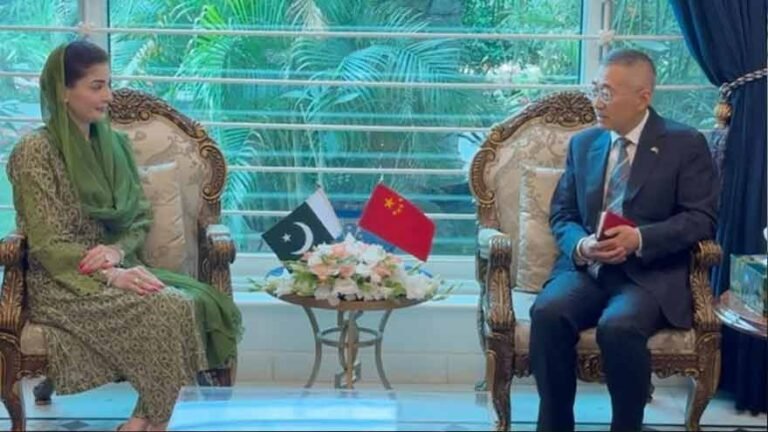
An association under Pakistan’s Ministry of Foreign Affairs organizes an International Navruz Festival every year with the participation of Pakistani communities that celebrate this holiday, as well as with the participation of the embassies of countries for which Navruz is a state holiday: Turkey, Azerbaijan, Iran, Afghanistan, Turkmenistan, Kazakhstan, Uzbekistan, Tajikistan, and Kyrgyzstan.
The Navruz Festival is usually held at the Serena Hotel venue in Islamabad and takes the form of a fair of national cuisine and traditional cultural items from the participating countries. Each embassy is provided with a separate pavilion, and artists from these countries perform national dances or musical compositions.
Such celebrations significantly enhance the mutual exchange of traditions and cultures. In addition, they introduce Pakistanis to the cultural characteristics of neighboring countries and demonstrate the country’s respect for global heritage, openness to dialogue, and commitment to peaceful relations.
Although Navruz is celebrated with various traditions in different countries, its main meaning remains the same everywhere: respect for nature, the beginning of a new life, friendship, and unity among people. This festival connects diverse cultures and promotes universal human values.
Thus, it can be said that through the diplomatic and cultural efforts of Tajikistan, Navruz has transformed from a regional celebration into an international holiday.
Navruz also provides an opportunity for countries to present their culture, traditions, and national crafts to the world. Organizing festivals, exhibitions, concerts, and cultural programs during Navruz contributes to the development of tourism and the promotion of national culture. In turn, this process strengthens the positive international image of these countries.

Qurbonzoda Farida
Qurbonzoda Farida is a researcher at the Institute of Asian and European Studies, Department of Commonwealth of Independent States (CIS), at the National Academy of Sciences of Tajikistan (NAST).