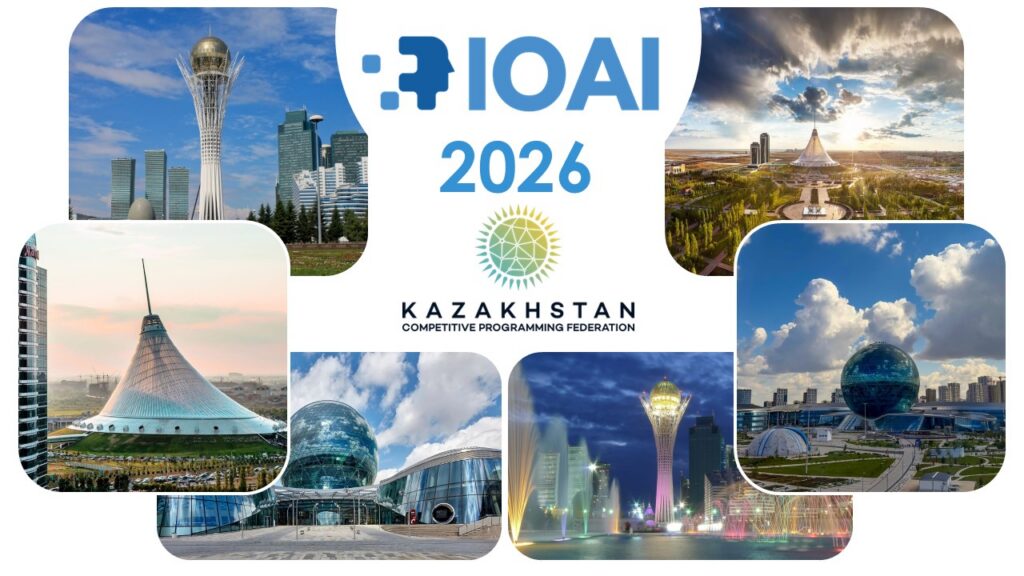
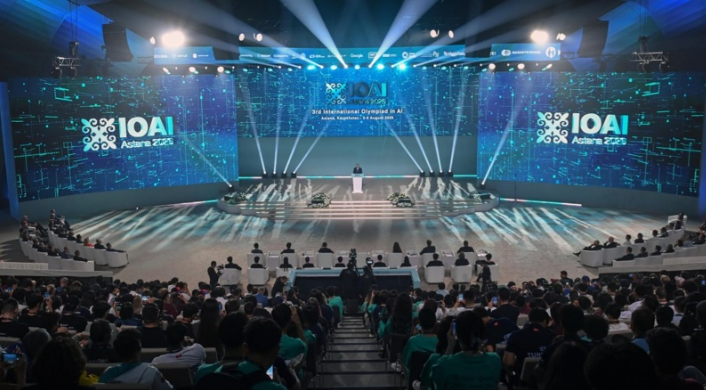
Astana (TDI): Kazakhstan is hosting the largest edition yet of the International Olympiad in Artificial Intelligence (IOAI), with more than 500 high school students from 106 countries competing from August 2 to 8.
The event marks Kazakhstan’s debut as the first Central Asian country to host the Olympiad. The competition, held under UNESCO patronage, is organized by the Competitive Programming Federation of Kazakhstan (CPFED), which has previously hosted the ICPC World Finals.
This year’s field is more than 60 percent larger than last year’s edition in Beijing. The Olympiad was originally scheduled to take place in Abu Dhabi.
Organizers relocated it to Kazakhstan in March, citing safety considerations, ease of travel, government support and the local organizing team’s experience.
The IOAI is one of the newest international science olympiads, established in 2024. Its inaugural edition in Burgas, Bulgaria, drew nearly 200 students while participation grew to 310 students from 63 countries and territories in Beijing last year.
President Kassym-Jomart Tokayev opened the event, describing artificial intelligence as a central component of Kazakhstan’s development strategy.
He said the “We are creating a unified innovative ecosystem in which artificial intelligence serves as an important tool for managing the state, economy, and business, permeating all areas of public life,” Tokayev said.
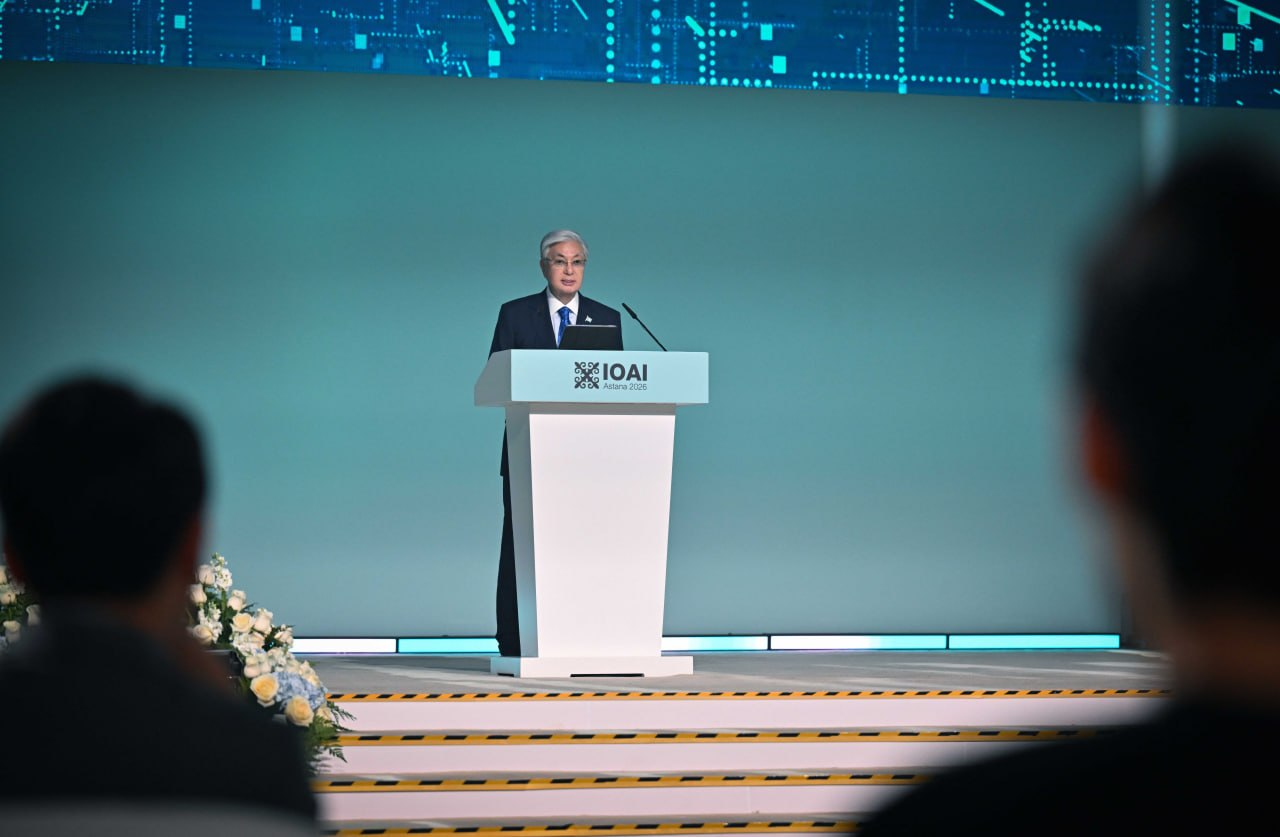
“We are creating a unified innovative ecosystem in which artificial intelligence serves as an important tool for managing the state, economy, and business, permeating all areas of public life.”
Tokayev noted Kazakhstan ranks 24th among 193 countries in the United Nations E-Government Development Index. He linked the Olympiad to his goal of making Kazakhstan a fully digital state within three years.
Kazakhstan has designated 2026 as the “Year of Digitalization and Artificial Intelligence” and has written innovation provisions into its new Constitution.
Bagdat Mussin, Chairman of the Board of JSC Kazakhtelecom and head of the hosting federation, told Qazinform News Agency that Olympiad participants are statistically far more likely to become successful entrepreneurs and scientific innovators later in life. He said,“More than 400 of the world’s brightest young AI talents from 106 countries have come together in Astana. But the true value of this Olympiad is not its size, it is you, the young talent gathered here today. You come from different cultures and backgrounds, yet you are united by one shared ambition to build technologies that improve people’s lives.“
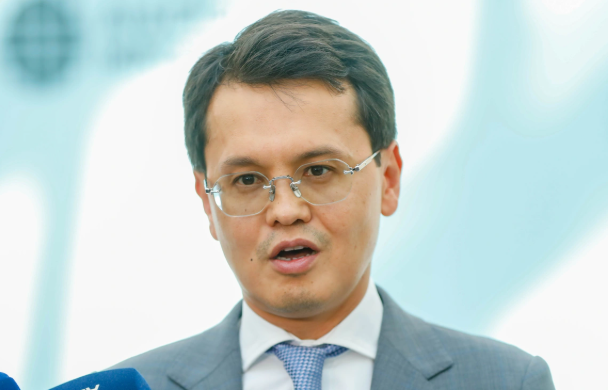
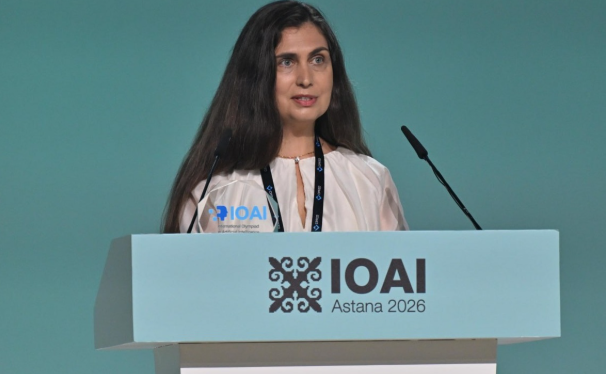
Elena Marinova, who chairs the IOAI’s International Board, described the Olympiad’s rapid growth since its founding.
“IOAI started in Bulgaria in 2024, grew in China in 2025, and will bring together the national teams of 100+ countries and territories in Kazakhstan in August 2026,” Marinova said, adding that AI now has its own “global Olympic stage.”
The competition takes place in two 6-hour phases where the contestants are given a real-life problem (radio signal processing, localization of objects) and are expected to solve it using Python and Jupyter Notebook.
The winners of the medals are determined by the total score for both rounds. The ten teams with the top scores at the team robotics event will be competing in a live final at Galbot robots on August 7 at Alem.ai, Astana’s AI research and training hub.
The new AI Models Track gives research labs and tech companies a platform to enter automated systems to face the same challenges.
IOAI 2026 has drawn delegations from more than 100 countries and territories across every continent, including major teams from the United States, China, Russia, India, the United Kingdom, Germany, France, Japan, and the wider IOAI accreditation network of over 130 nations.
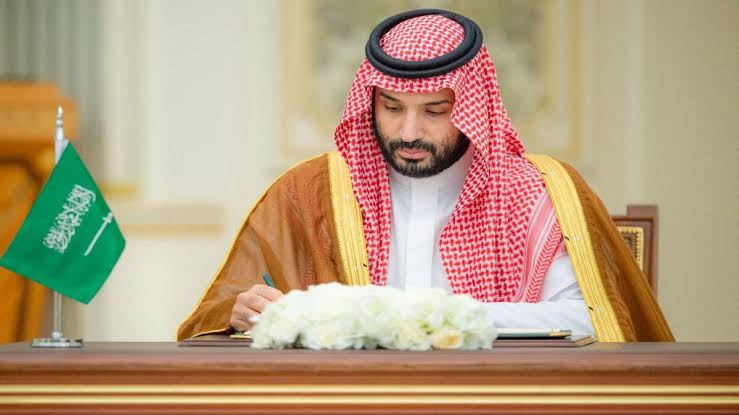
Saudi Arabia is fielding a four-student team through the Mawhiba foundation for the second year running, Bangladesh is represented by a four-member squad led by Professor Dr. B M Mainul Hossain, and Ukraine is competing for the first time with students from Kyiv and Irpin.
Kazakhstan enters as host nation, building on last year’s three gold, one silver and three bronze medals from Beijing. As the host country, it has paired the Olympiad with broader investments in AI infrastructure.
These include a computing partnership with NVIDIA and Firebird, expanded satellite internet access through OneWeb, Starlink,Amazon’s Project Kuiper and founding membership in the World Artificial Intelligence Cooperation Organization (WAICO).
Analysts covering the event note that sustained success will depend on Kazakhstan’s ability to build research universities, attract private investment, and retain skilled graduates once the competition concludes. The closing and awards ceremony is scheduled for August 7, ahead of departures on August 8.

Tayyaba Afzal is an International Relations Graduate from Lahore College for Women University. Her research interests include Information Warfare, AI Governance and Digital Diplomacy. She can be reached at [email protected]