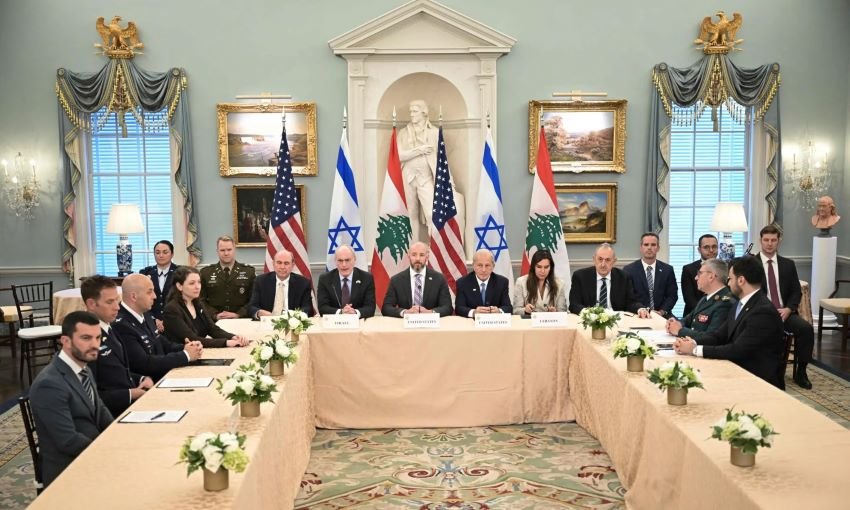
Washington (TDI): Israel and Lebanon have agreed to a conditional ceasefire following US-led talks in Washington, though both sides acknowledged that its implementation depends on a “complete cessation” of hostilities by Hezbollah, according to a joint statement released on Wednesday.
The agreement was reached between two countries that do not maintain formal diplomatic relations and comes after a series of negotiations aimed at containing escalating cross-border violence that has intensified since March.
Under the framework outlined in the statement, the ceasefire would require Hezbollah to fully halt fire and withdraw its operatives from southern Lebanon. It also includes plans to establish “pilot zones” where the Lebanese armed forces would assume exclusive control of territory, excluding all non-state armed groups.
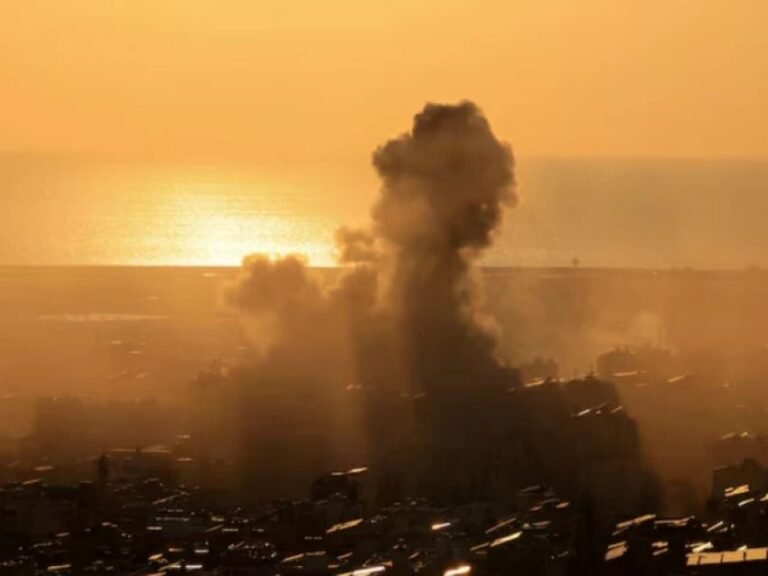
However, despite the announcement, hostilities continued on the ground. Earlier in the day, Hezbollah reported attacks on Israeli forces, while Israeli strikes in southern Lebanon killed at least ten people, according to local sources.
Read More: Lebanon Announces Partial Israel–Hezbollah Ceasefire
Shortly after the ceasefire deal was announced, air raid sirens were activated in northern Israel after what authorities described as a “suspicious aerial target,” though no casualties were reported.
The joint statement also confirmed that both sides would continue discussions in the week of June 22, with the stated aim of working toward a broader and more comprehensive agreement.
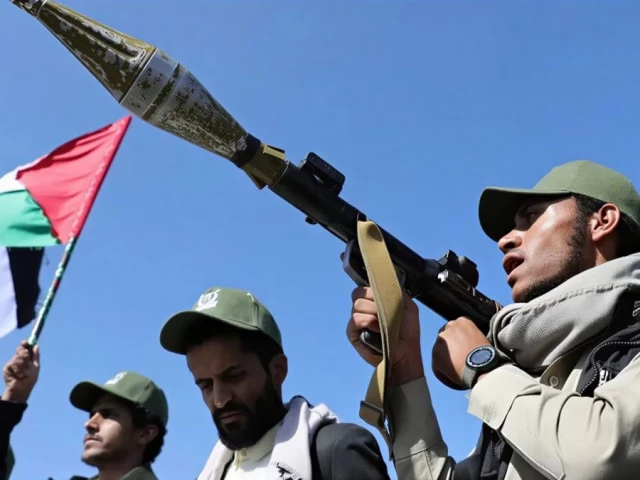
Tensions remain high across the border region. The Israeli military said it intercepted a hostile aircraft and projectiles launched from Lebanese territory, while Hezbollah claimed responsibility for rocket and drone attacks on Israeli positions in response to what it called violations of the ceasefire framework.
Read More: US Proposes Phased Plan to Ease Israel-Lebanon Tensions
The latest agreement comes despite earlier attempts to establish a truce, which were never fully implemented as both sides accused each other of repeated violations.
The conflict, which escalated in early March, has increasingly drawn in regional dynamics involving Hezbollah’s alignment with Iran and Israel’s broader military posture along its northern border.
While US officials have framed the Washington talks as progress toward de-escalation, Hezbollah officials have previously stated they would not accept a partial ceasefire, raising questions about the durability of the latest arrangement.