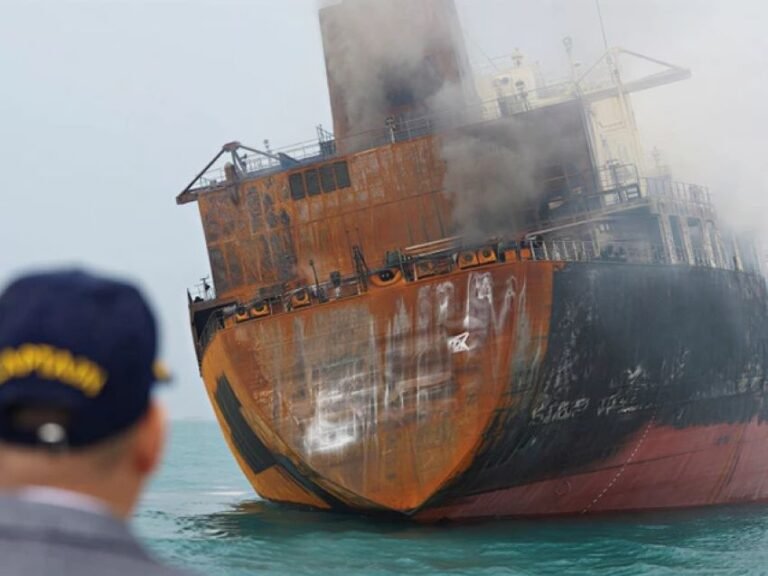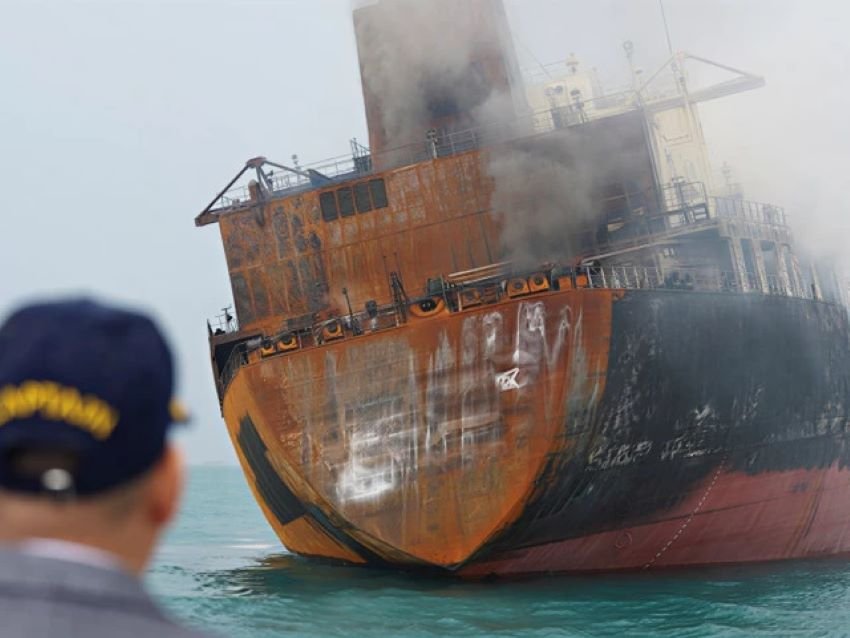
Dubai (TDI): A crude oil tanker operating off the coast of Dubai was struck and set on fire in an apparent Iranian attack, escalating tensions in the region shortly after fresh warnings from US President Donald Trump.
The vessel, identified as the Kuwait-flagged Al-Salmi, was carrying a full load of crude oil when it was targeted. The incident marks the latest in a series of attacks on commercial shipping in the Gulf and the Strait of Hormuz since late February, when hostilities involving the United States, Israel, and Iran intensified.
According to the ship’s owner, Kuwait Petroleum Corporation, the strike caused a fire and structural damage, though no casualties were reported. Authorities later confirmed that the blaze was brought under control following what was described as a drone attack.
The incident briefly pushed global oil prices higher, as markets reacted to renewed risks to energy supplies. The tanker itself is capable of carrying roughly two million barrels of oil, valued at over $200 million at current prices.
The broader conflict has expanded across the Middle East, with fighting affecting multiple countries and raising concerns about global economic stability. Thousands of civilians have reportedly been killed, while disruptions to oil supply chains have intensified pressure on international markets.
Read More: Trump Seeks End to Iran War Without Insisting on Strait of Hormuz Reopening
In the United States, rising fuel costs are beginning to impact households and carry political implications for President Trump and his party ahead of upcoming elections. Petrol prices have surged, with the national average exceeding $4 per gallon for the first time in years as crude prices climb above $100 per barrel.
Meanwhile, reports suggest that missile exchanges between Iran and Israel are intensifying. Analysts indicate that a significant portion of missile defense systems on both sides has already been used, highlighting the scale and intensity of the ongoing confrontation.
Despite the escalation, President Trump is reportedly considering a strategy to end the conflict without insisting on reopening the Strait of Hormuz. Officials say forcing the issue could prolong the war beyond the administration’s preferred timeline.
The White House has indicated that Washington is seeking a negotiated settlement with Tehran before an early April deadline. While officials say discussions are ongoing, they also note differences between Iran’s public stance and its private communications.
Read More: Dar Heads To China For Key Talks On Iran-US Dialogue
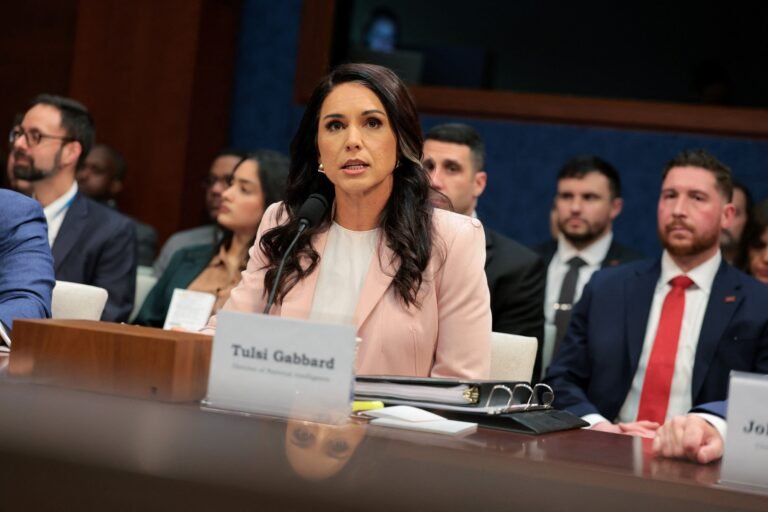
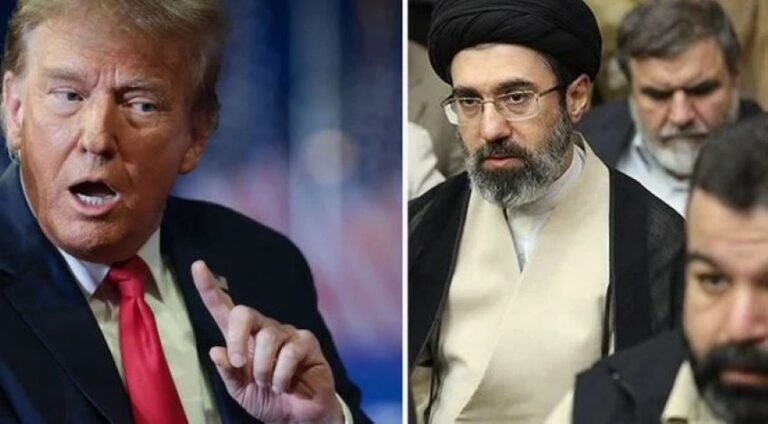
At the same time, Trump has issued strong warnings, stating that US forces could target Iran’s key energy infrastructure if the Strait remains restricted. US Secretary of State Marco Rubio emphasized that while diplomacy remains the preferred path, Iran could face serious consequences if tensions continue.
On the ground, the conflict shows little sign of easing. Iran-aligned groups have launched attacks on Israel, while Israeli forces have carried out strikes in Tehran and against Iran-backed positions in Lebanon. The situation has also drawn in other regional actors, raising fears of a wider war.
The United States has begun reinforcing its military presence, including deploying troops from the 82nd Airborne Division to the region. This move is seen as expanding Washington’s military options even as diplomatic efforts continue.
Iran, for its part, says it has received proposals through intermediaries but has rejected them as unrealistic. Officials in Tehran maintain that their priority remains defending the country against what they describe as ongoing aggression.
Although diplomatic channels remain open, both sides continue to exchange warnings, leaving the situation uncertain as the conflict enters a more dangerous phase.