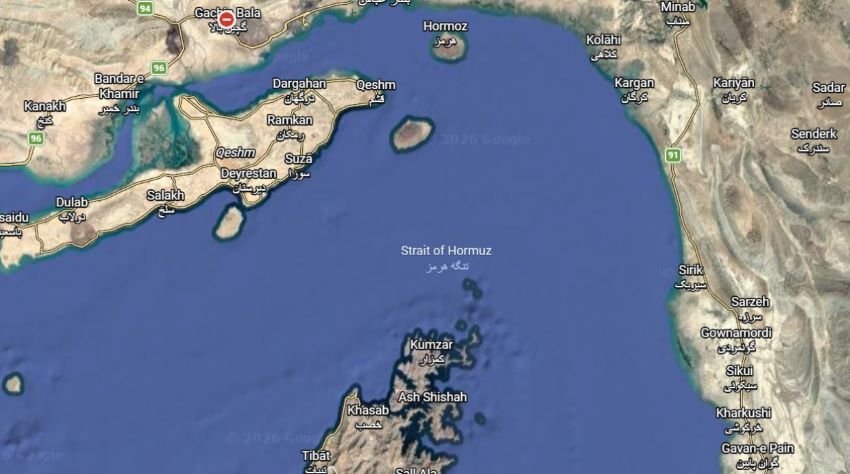
Tehran (TDI): Iran’s powerful Islamic Revolutionary Guard Corps has warned that it will continue blocking oil shipments from the region if attacks by the United States and Israel persist, escalating tensions in the energy-rich Middle East.
IRGC said it would not allow “one litre of oil” to leave the region under continued military pressure.
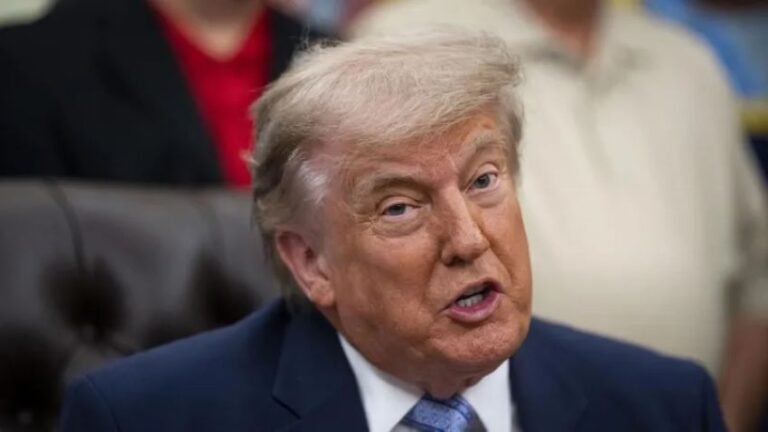
The warning drew a sharp response from US President Donald Trump, who threatened a significantly stronger military reaction if Iran attempted to block tanker traffic through the strategically vital Strait of Hormuz, through which roughly one-fifth of the world’s oil supply passes.
Speaking to CBS News, Trump said the conflict was progressing faster than expected and claimed Iran’s military capabilities had been severely weakened. “They have no navy, no communications, they’ve got no air force,” he said, adding that the campaign was “far ahead” of the four-to-five-week timeline he had previously outlined.
Despite the US assessment, Iranian officials signaled defiance. A spokesperson for the Revolutionary Guards said Tehran, not Washington, would decide when the conflict ends.
Read More: Putin Pledges ‘Unwavering Support’ to Iran’s New Supreme Leader
The confrontation has rattled global markets. Oil prices surged sharply at the start of the week amid fears that the Strait of Hormuz could be shut, before falling back more than 10% on Tuesday as investors reacted to Trump’s comments suggesting the conflict might end sooner than expected.
Iran’s leadership also appears to be consolidating power after the appointment of Mojtaba Khamenei as the country’s new supreme leader following the death of his father, Ayatollah Ali Khamenei, in earlier strikes.
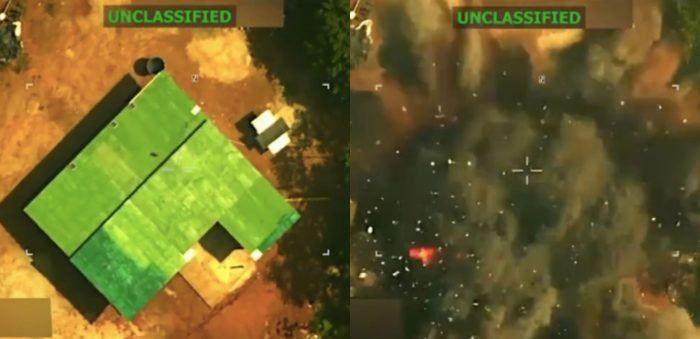
Meanwhile, fighting has continued across the region, with Israel launching fresh attacks in central Iran and in Beirut, targeting positions linked to the Iran-backed Hezbollah.
Analysts say the standoff over oil routes highlights the broader economic stakes of the conflict, as disruptions to Gulf energy supplies could trigger further volatility in global markets and threaten international trade.
Diplomatic efforts to de-escalate the crisis have so far made little progress, with both sides signaling they are prepared for a prolonged confrontation unless major political concessions are made.
Read More: Pakistan Urges Citizens in Iran to Register for Swift Repatriation Amid Escalating War
Global leaders and international organizations have meanwhile called for restraint, warning that any prolonged disruption to energy supplies or expansion of the conflict could have severe economic and humanitarian consequences worldwide.