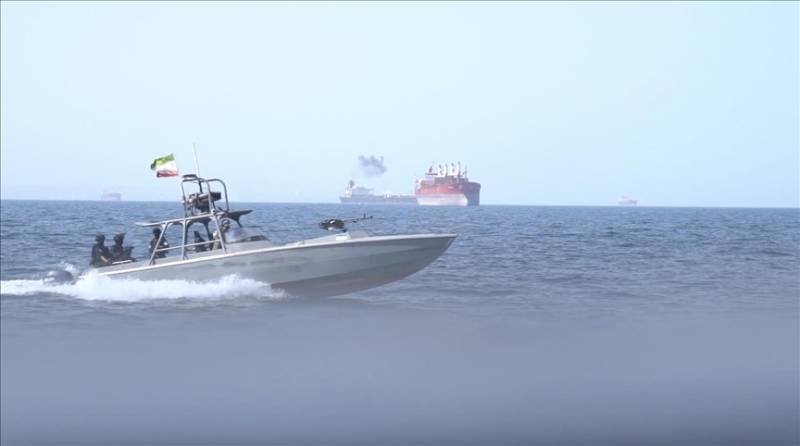
Tehran (TDI): Iran is drafting a protocol with Oman to supervise maritime transit through the Strait of Hormuz, Kazem Gharibabadi – the deputy foreign minister for legal and international affairs said.
Gharibabadi said the two coastal nations already coordinate ship movements during peacetime. The new protocol aims to facilitate safe passage and provide better services to vessels rather than impose restrictions.
The deputy foreign minister stressed that the Strait of Hormuz remains open and transit is proceeding smoothly. He noted that wartime conditions created by ongoing aggression require adjustments to peacetime rules. Iran and Oman will jointly oversee transit to maintain security and support international shipping.
Gharibabadi made the remarks amid a sharp decline in shipping through the strait following the US-Israeli war on Iran that began on February 28, 2026.
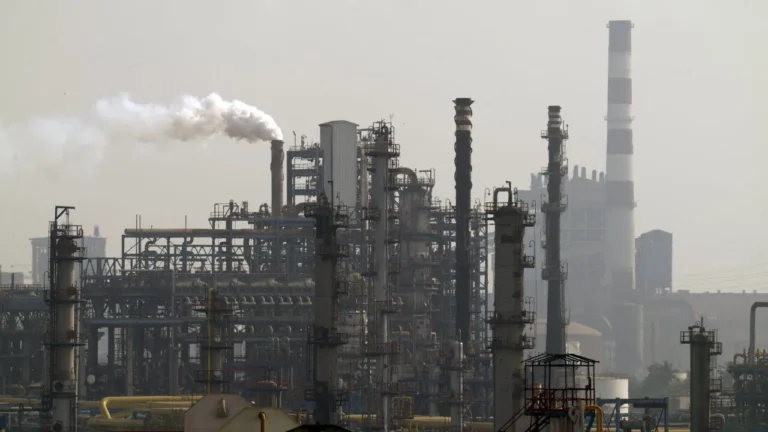
Around 20 million barrels of oil pass through the waterway daily, and disruptions have raised global oil prices, shipping costs, and insurance rates.
Gharibabadi condemned attacks on Iranian nuclear facilities under International Atomic Energy Agency safeguards. He listed targeted sites including areas around the Bushehr nuclear power plant, Ardakan, Khondab, Natanz, and Fordo.
Read More: Iran Threatens Measures to Block Military Use of Strait of Hormuz
Such strikes violate international law, the UN Charter, and relevant resolutions, he said, and endanger global peace and security.
He warned that any attack on Iranian facilities launched from the territory of another country would trigger a proportionate response against similar facilities in that country.
This constitutes a legitimate right of self-defense under the UN Charter and international law, Gharibabadi added. On the Nuclear Non-Proliferation Treaty, Gharibabadi confirmed Iran remains committed but acknowledged growing domestic criticism.
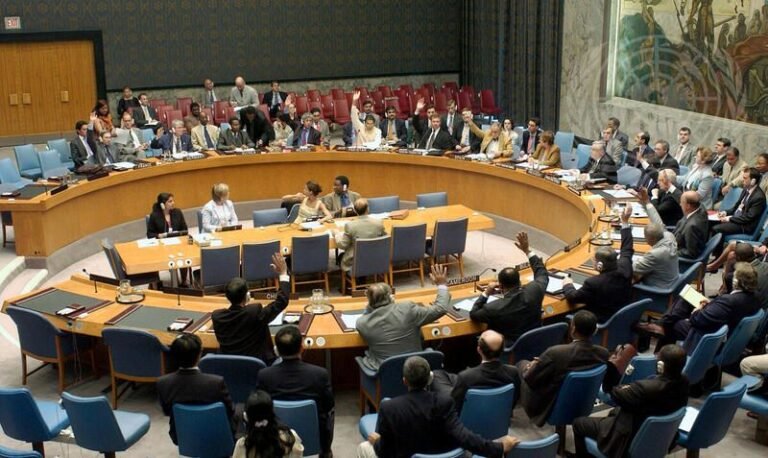
Voices in parliament have proposed withdrawal due to repeated violations against Iran. He called on the UN Security Council to take serious action against the aggressors.
The protocol with Oman reflects Iran’s efforts to manage transit in the strategic waterway while the region faces heightened tensions.
Tehran has retaliated against the US-Israeli offensive with drone and missile strikes targeting Israel, Jordan, Iraq, and Gulf countries hosting US military assets. More than 1,340 people have been killed in Iran since the conflict escalated.