Istanbul (TDI): Iran has ruled out any restrictions on its defensive and missile capabilities, while Turkiye stepped up diplomatic efforts on Friday to ease rising tensions between Tehran and Washington.
The mediation push came as US President Donald Trump appeared to soften his earlier rhetoric, expressing hope that conflict could be avoided and leaving the door open for talks. Despite the shift in tone, Iran made it clear that its military capabilities are not negotiable.
Turkish President Recep Tayyip Erdogan and Foreign Minister Hakan Fidan have taken the lead in regional efforts to calm the situation, which escalated after the United States repositioned military assets in the Middle East following a deadly crackdown on protests in Iran.
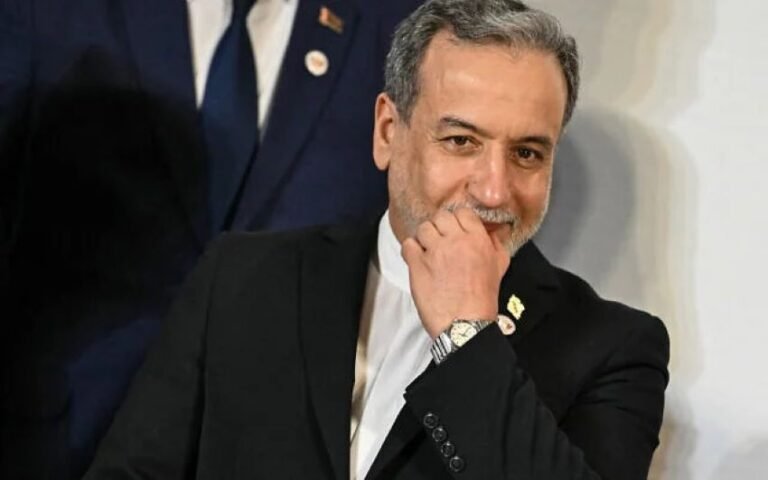
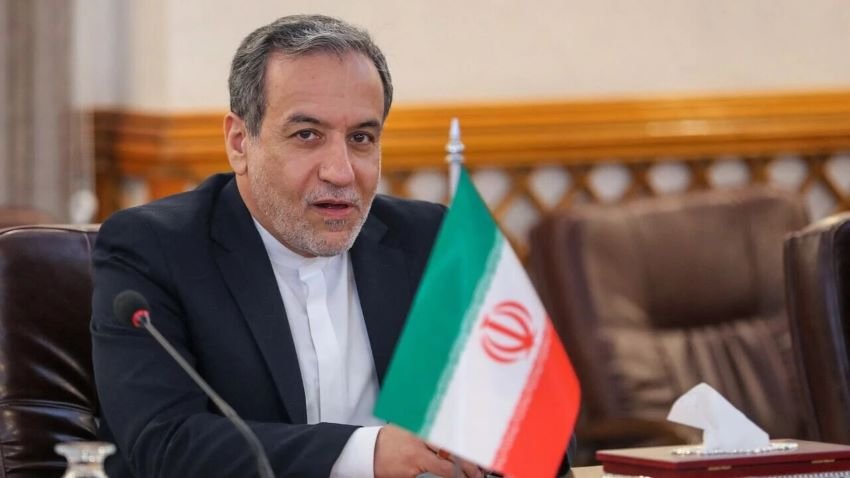
Visiting Turkiye, Iranian Foreign Minister Abbas Araghchi said Tehran welcomed dialogue but would not compromise on national defence.
“I state clearly that Iran’s defensive and missile capabilities will never be up for negotiation,” Araghchi said, adding that there are currently no plans for direct talks with US officials. However, he noted that Iran remains open to negotiations if they are conducted on equal terms and based on mutual respect and shared interests.
Read More: Iran Prepared for Decisive Response to Any Aggression, Says Envoy
Erdogan held a phone call with Iranian President Masoud Pezeshkian on Friday, offering Turkiye’s support as a facilitator between Tehran and Washington to help de-escalate tensions. Speaking alongside Araghchi in Istanbul, Foreign Minister Fidan stressed that reviving negotiations over Iran’s nuclear program was essential to reducing instability in the region.
Fidan urged the United States to act with restraint and resist what he described as pressure from Israel to pursue military action. He said he had been in contact with US special envoy Steve Witkoff and would continue diplomatic engagement to prevent Iran’s isolation.
Despite these efforts, major differences remain. US officials reportedly insist that any future agreement must include limits on Iran’s long-range missile arsenal, the removal of enriched uranium stockpiles, and a ban on independent uranium enrichment.
International pressure on Tehran is also increasing. British Prime Minister Keir Starmer said on Friday that stopping Iran from developing nuclear weapons was of critical importance, while condemning the violent suppression of protests inside the country.
Read More: Big Guns, Big Stakes: US Approves Arms Sales to Israel, Saudi Arabia
The European Union, while urging restraint and opposing military escalation, has taken a tougher stance by designating Iran’s Islamic Revolutionary Guard Corps (IRGC) as a terrorist organisation. Tehran reacted sharply, with Iran’s judiciary chief calling the move hostile and warning of consequences for Europe. Araghchi echoed the criticism, describing the decision as a mistake and portraying Europe as a “continent in decline.”
Even as diplomatic channels remain open, military preparations continue. Israel’s Ynet news website reported that a US Navy destroyer docked at the Israeli port of Eilat on Friday. Araghchi reiterated that Iran has no desire for war but remains prepared for all scenarios.