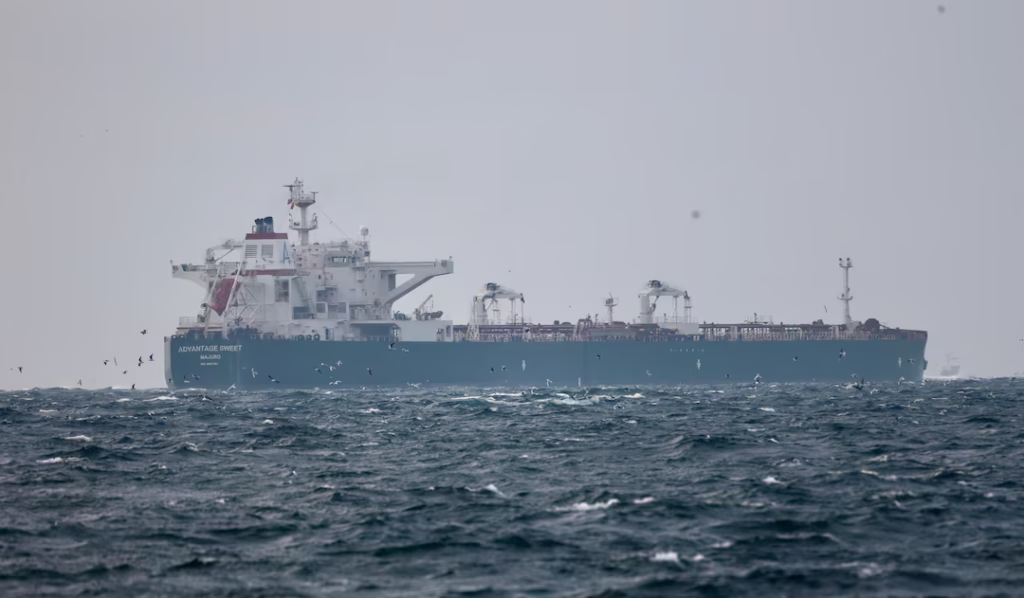
The recent seizure of oil tankers tied to Venezuelan crude exports reflects a more forceful shift in how the United States is enforcing its sanctions policy. Beyond the immediate legal and economic implications, the move has reopened an important question: how much authority should any one state exercise on the open seas, and where should restraint begin?
Because these operations took place in international waters in the North Atlantic and the Caribbean, they have carried wider consequences. Relations with Russia have become more strained, legal experts have raised fresh concerns, and observers are once again questioning how unilateral power fits within a maritime system that is meant to be shared by all.
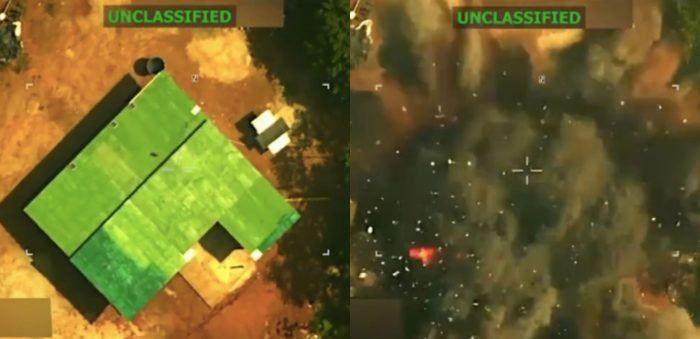
U.S. officials confirmed that American forces carried out a series of closely timed operations, seizing at least five tankers suspected of evading sanctions. The most high-profile case involved the Russian-flagged Marinera, which was chased for nearly two weeks before being boarded in international waters between Iceland and Scotland, with support from the U.K.’s Royal Navy.
Another ship, the M/T Sophia, was captured in the Caribbean after U.S. authorities described it as stateless and involved in illegal activity. In addition, tankers such as the Olina, Skipper, and Centuries were also intercepted in the past few weeks.
Washington says these tankers were part of a so-called shadow fleet used to move Venezuelan oil while dodging sanctions through tactics like false flagging, frequent name changes, and murky ownership. U.S. officials argue that such schemes erode the usual legal protections granted to commercial shipping.
Read More: Can Trump’s Sanctioning of Russian Oil Conglomerates Bring Putin to the Table?
Defense Secretary Pete Hegseth stressed that the blockade on sanctioned Venezuelan oil remains “in full effect anywhere in the world,” highlighting the administration’s commitment to enforcing sanctions far beyond traditional borders.
From the U.S. perspective, these actions are seen as law-enforcement efforts carried out under federal court warrants, not military attacks. Officials say that ships without a recognized nationality, or those deliberately hiding their identity, aren’t protected in the same way under international law.
Supporters of this approach argue that these “shadow fleets” not only undermine sanctions and disrupt global energy markets but also increase safety dangers and environmental risks at sea, making enforcement a matter of both legal responsibility and maritime security.
Russia, on the other hand, has strongly rejected Washington’s explanation, especially over the seizure of the Marinera. Moscow called the action a gross violation of international maritime law, noting that the ship had temporary permission to sail under the Russian flag. Russian officials demanded the immediate return of the crew and warned that such operations could set a dangerous precedent.
Reports that a Russian submarine was sent to monitor the vessel even though no clash occurred underscore the risks when the interests of major powers collide at sea.
Read More: US Seizes Sanctioned Venezuelan Oil Tanker
Venezuela has strongly condemned the U.S. tanker seizures, calling them part of an unlawful economic blockade aimed at strangling its economy and violating its sovereignty. Caracas says that unilateral sanctions, especially when backed by military force, violate basic principles like non‑interference and freedom of navigation and should be rejected by the international community.
Those objections have become even louder after a recent U.S. military operation resulted in the capture of Venezuelan President Nicolás Maduro, a move widely criticized by world leaders and legal experts as inconsistent with international law and a serious threat to regional stability.
Can a nation enforce its own sanctions by seizing ships on open waters? This is an important question at the center of the controversy. There are very few exceptions according to the United Nations Convention on the Law of the Sea (UNCLOS), such as piracy or situations in which a vessel is deemed stateless.
However, according to the experts, it is debatable whether a ship is actually stateless and whether no nation’s unilateral sanctions grant it the authority to impose regulations everywhere on the high seas.
Governments are stepping in, claiming they’re just trying to keep order at sea, but the real worry is coming from the people who actually work on the water, shipping companies, crews, and insurers. They’re clear about one thing: if things get any tougher, the oceans won’t just feel risky, they’ll actually become more dangerous and more expensive for everyone.
Read More: US in Active Pursuit of Third Oil Tanker Near Venezuela
Some ships are sailing without proper insurance, using fake tracking information, or even flying under false flags. It’s already pushing the limits of what global shipping can safely handle.
The U.S. seizing these tankers isn’t just another headline; it’s a massive shift in how the game is played at sea. Washington sees this as a “must-do.” To them, if you don’t physically stop these shadow ships, you’re basically letting people break the law for free. They’re framing it as a necessary cleanup of illegal trade.
But the critics argue that when one country starts acting as a global policeman in international waters, it weakens the very rules that keep the oceans safe for everyone. If “might makes right” becomes the new standard, the whole legal foundation of global shipping could start to crumble.
If we turn the open ocean into a place where one country can just decide to play cop whenever it wants instead of everyone following a shared set of rules, the fallout is going to hit everyone.
The global system we all rely on only works because countries agree to show a little restraint at sea. It’s like a gentleman’s agreement that keeps the world’s “watery highways” open and safe. If we throw that agreement out the window, we’re not just punishing a few sanctioned countries; we’re essentially breaking the foundation of how the whole world trades and talks to each other.
*The views presented in this article are the author’s own and do not necessarily reflect the views of The Diplomatic Insight.

Saeed Awan
Saeed Awan is working as a Research Officer with the World Bank. He is also a final-year student of International Relations. He has previously been engaged with Lincoln Corner Karachi. He has a profound interest in research, diplomacy, and international engagement.