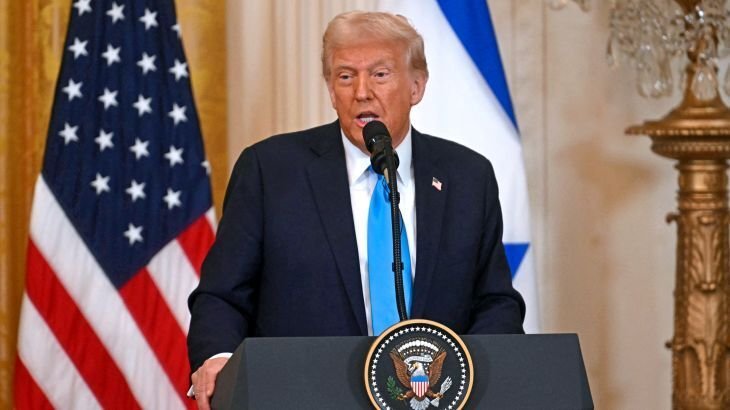
Brussels (TDI): European leaders on Monday pressed the United States for more details on President Donald Trump’s objectives in the ongoing war on Iran and cautioned that NATO should not be drawn into the conflict, as they weighed his request for European warships to help secure the Gulf.
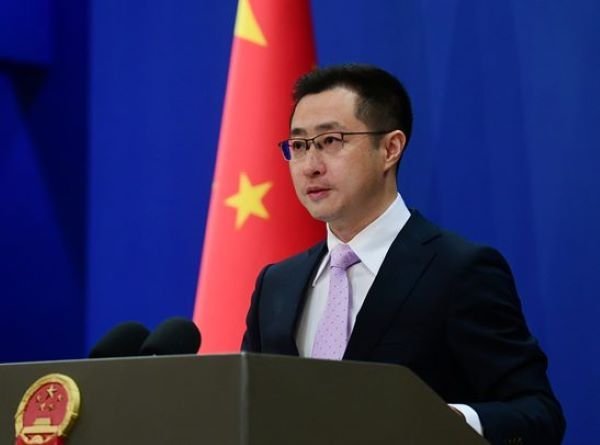
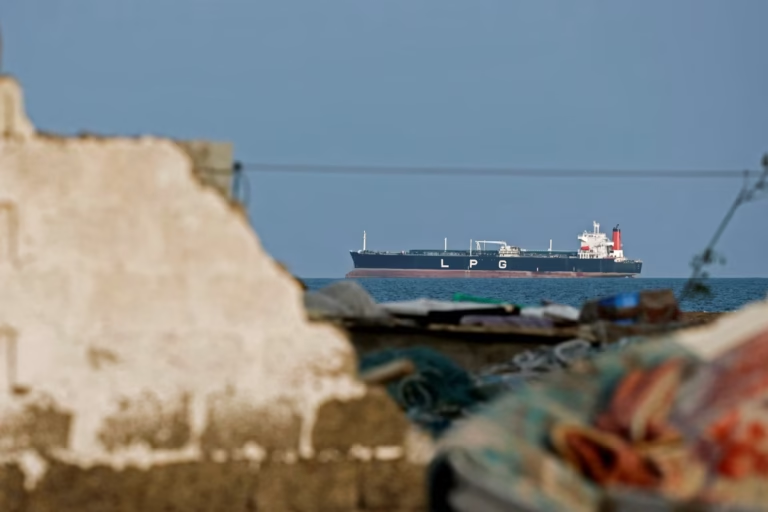
The cautious response reflects unease among allies, many of whom were largely uninformed before the US-Israel operation began on February 28. Trump has sought assistance from partners including France, China, Japan, South Korea, and the UK to protect shipping through the Strait of Hormuz. He has said talks are underway with “about seven” countries but did not specify which ones or outline a timeline for forming a coalition.
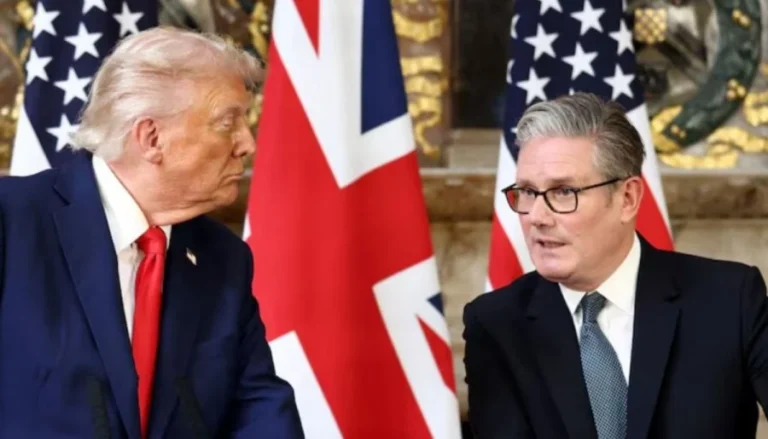
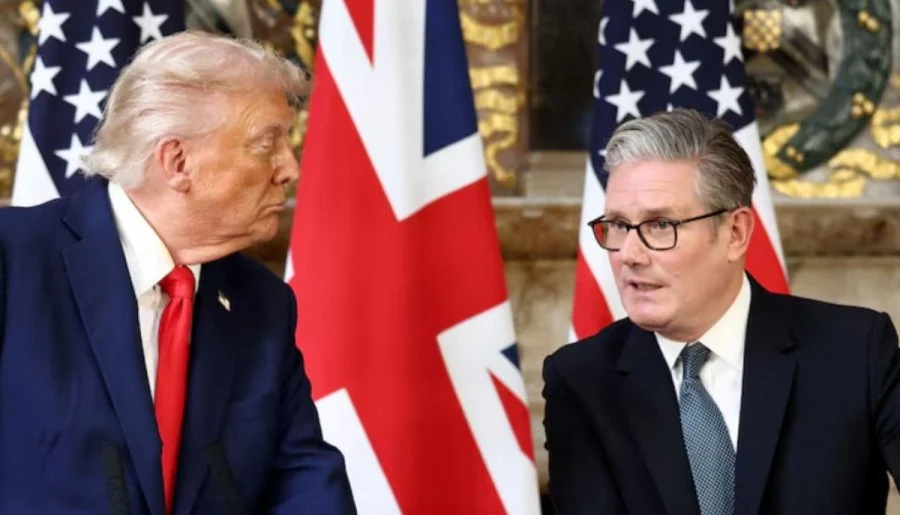
UK Prime Minister Keir Starmer emphasized that Britain “will not be drawn into the wider war” and that British forces should act only under lawful, carefully planned circumstances. However, he noted that the UK is considering alternative forms of support alongside allies.
Read More: China Steps in with Aid for Iran, Jordan, Lebanon and Iraq
Trump warned in an interview with the Financial Times that a negative response to his request could have “very bad” consequences for NATO’s future.
German Chancellor Friedrich Merz stressed that NATO is a defensive alliance, not an interventionist one, and said the alliance has no role in the war. While agreeing that Iran’s regime should end, he added that bombing it into submission is unlikely to succeed, based on historical experience.
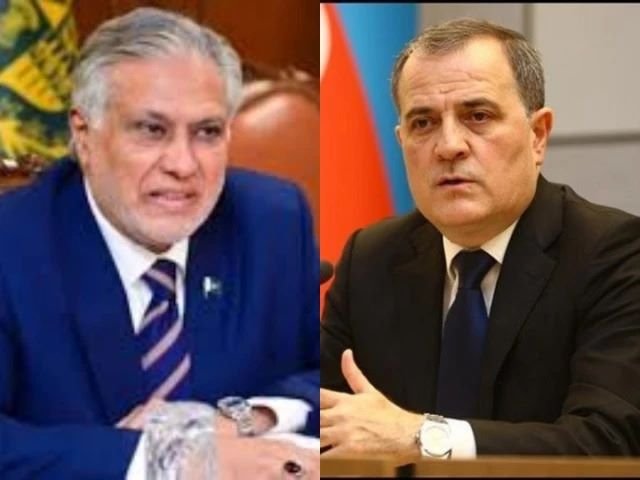
At a meeting of EU foreign ministers in Brussels, German Foreign Minister Johann Wadephul said the US and Israel need to define clear military objectives. “We need more clarity here,” he told reporters. Estonian Foreign Minister Margus Tsahkna echoed the need for understanding Trump’s strategic goals, while Polish Foreign Minister Radek Sikorski called for proper NATO channels to be followed.
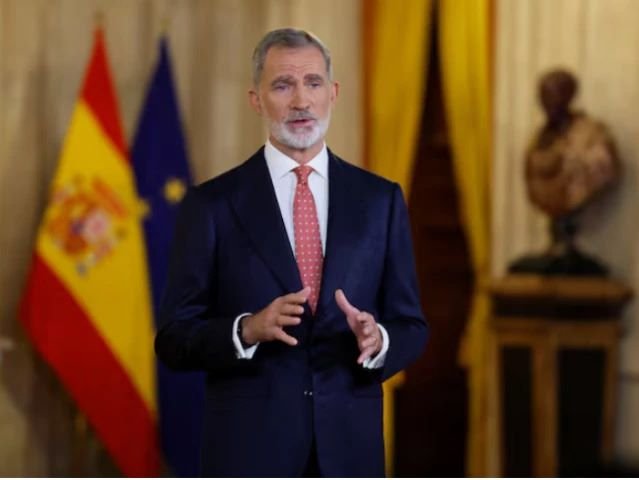
EU foreign policy chief Kaja Kallas stressed the importance of keeping the Strait of Hormuz open and proposed expanding the EU’s Operation Aspides naval mission from the Red Sea to the Arabian Gulf. However, ministers expressed no appetite to broaden the mission’s mandate, though the EU will continue to monitor maritime security threats, particularly the potential involvement of Yemen’s Iran-backed Houthi rebels.
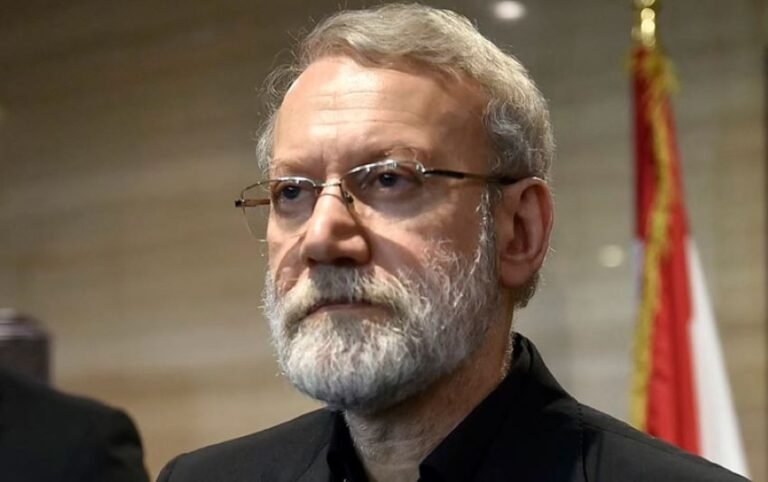
Read More: Israel Claims Iran’s National Security Chief Larijani ‘Eliminated’
Retired US Army Lt. Gen. Ben Hodges noted that NATO is not obligated to participate, leaving decisions to individual member states. He said most European leaders see the Iran war as “a war of choice by the United States” but recognize the importance of keeping oil and gas flowing through the strait.