Brussels (TDI): The European Union has taken a historic step by designating Iran’s Revolutionary Guards (IRGC) as a “terrorist organization,” following the suppression of mass protests in the country. EU leaders described the move as a long-overdue condemnation of Tehran’s actions.
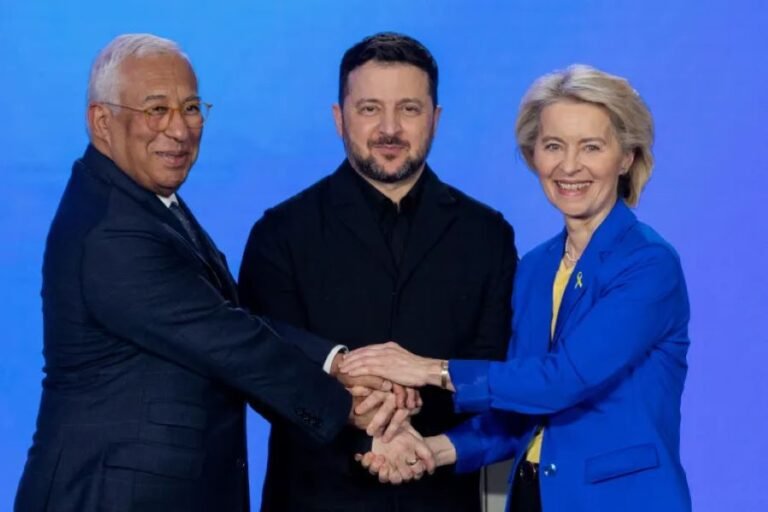
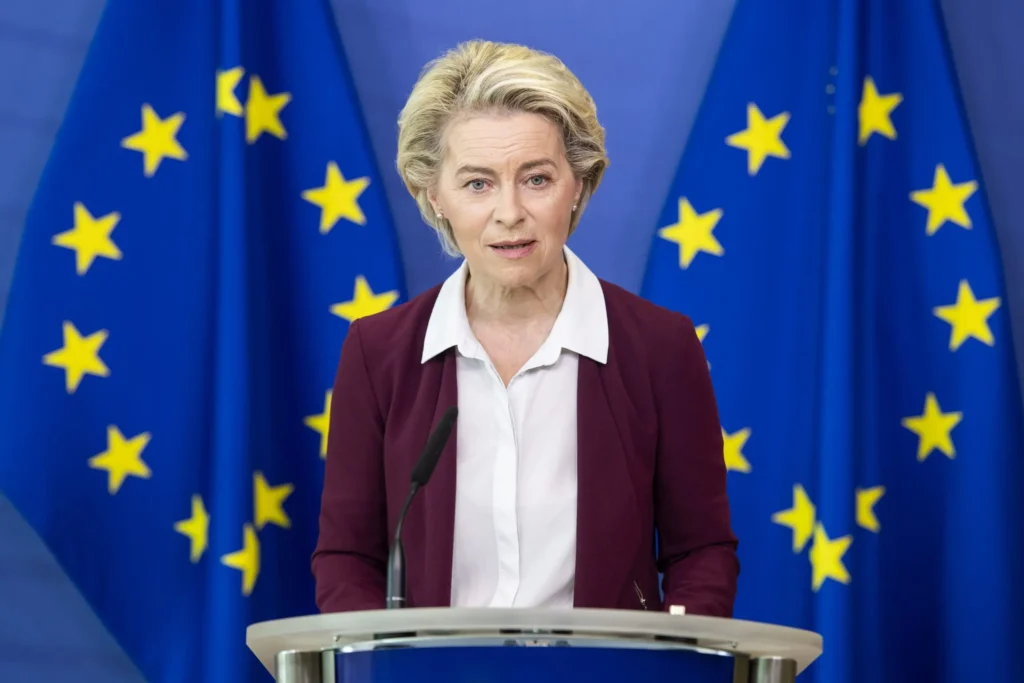
EU President Ursula von der Leyen welcomed the decision on social media, calling it a “necessary step.” Alongside the designation, the EU imposed visa restrictions and asset freezes on 21 Iranian state entities and officials, including the interior minister, prosecutor general, and regional IRGC commanders.
Tehran has warned that the move could lead to “destructive consequences.” Official Iranian reports acknowledge over 3,000 deaths during the protests, largely claiming victims were security personnel or bystanders. Human rights organizations, however, suggest the real toll could be significantly higher, accusing the IRGC of using lethal force against demonstrators.
The Revolutionary Guards, formed after Iran’s 1979 revolution to protect the clerical leadership, have grown into a powerful economic and military force, controlling significant sectors of Iran’s economy.
Read More: Trump Hopes to Avoid Military Action Against Iran
EU foreign policy chief Kaja Kallas noted that despite the designation, diplomatic channels between the EU and Iran are likely to remain open. France and Italy had recently signaled support for the move, marking a shift from their previous caution over potential fallout for European nationals detained in Iran.
French Foreign Minister Jean-Noel Barrot described the decision as a strong message against impunity for crimes committed during the crackdown. He called on Iranian authorities to release political prisoners, halt executions, and restore internet access, urging Iran to allow its citizens a say in their future.
Read More: EU Offers to Help Revive Iran Nuclear Talks
The EU has previously sanctioned hundreds of Iranian officials and organizations over past protest crackdowns and Iran’s support for Russia in Ukraine. While the IRGC and its senior commanders are already subject to EU sanctions, adding them to the terror blacklist is largely symbolic but carries a clear political message.