Cairo (TDI): Egypt and Jordan have welcomed Britain’s decision to restrict trade in goods and certain services linked to Israeli settlements in the occupied Palestinian territories, urging further international action to curb settlement expansion and protect prospects for a two-state solution.
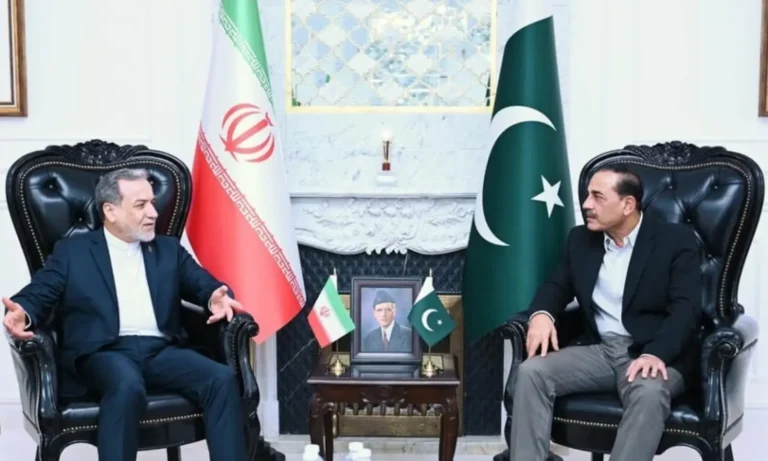
Egypt’s Foreign Ministry said the British measures were an important step reflecting a commitment to international law and relevant UN resolutions.
Cairo said the restrictions could help counter settlement activity and attempts to create new realities in the occupied West Bank, including East Jerusalem.
The Egyptian ministry warned that continued settlement expansion threatens the territorial integrity of Palestinian land and makes the establishment of an independent and viable Palestinian state increasingly difficult.
Egypt reiterated its position that lasting peace requires an end to the Israeli occupation and the establishment of an independent Palestinian state along the June 4, 1967 borders, with East Jerusalem as its capital.
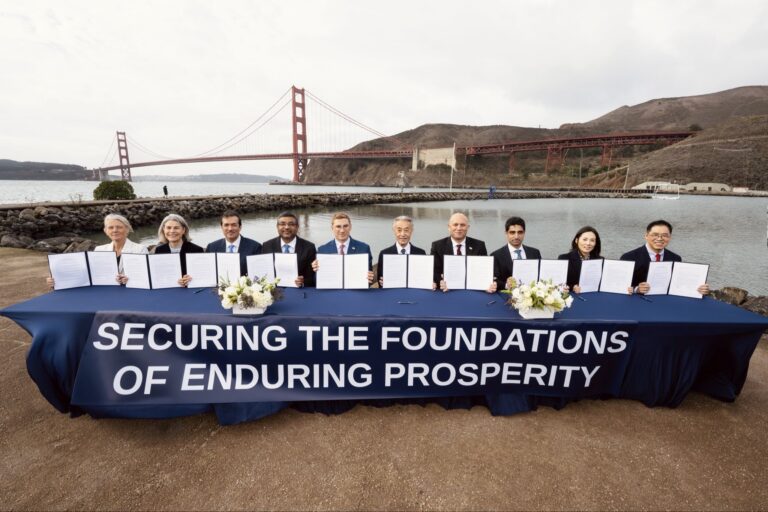
Cairo also backed a joint statement by the foreign ministers of 12 countries reaffirming support for the two-state solution and announcing national or European measures targeting trade in goods produced in Israeli settlements.
Read More: Israel Orders British Consulate in East Jerusalem to Shut
The countries are Canada, Denmark, Finland, France, Iceland, Ireland, Norway, Poland, Portugal, Spain, Sweden and the United Kingdom.
Jordanian Foreign Minister Ayman Safadi also welcomed Britain’s measures, saying they target Israeli policies that consolidate occupation, undermine the two-state solution and prolong the conflict.
“We thank the British government for standing up for what is right,” Safadi said. He also welcomed similar steps announced or planned by Canada and other European countries, including Denmark, Finland, France, Iceland, Ireland, Norway, Poland, Portugal, Spain and Sweden.
Safadi said settlement expansion, settler violence, land confiscation, restrictions on the Palestinian economy and the treatment of Palestinians could not create lasting peace or security.
He also warned against violations of the historical and legal status quo at Muslim and Christian holy sites in Jerusalem. According to Safadi, the only path to lasting peace is to end the occupation and implement a two-state solution that guarantees security for all sides.
He urged the international community to take effective measures against policies that undermine prospects for peace and called for “real consequences” for violations of international law.
The latest statements come amid growing international pressure over Israeli settlement expansion and violence in the occupied West Bank.
British Foreign Secretary Ed Miliband announced Tuesday that London would impose an import ban on goods from Israeli settlements in the occupied West Bank, citing concerns over the displacement of Palestinians.
Read More: UK Plans Trade Ban on Israeli Settlement Goods, Services in West Bank
The announcement followed a joint statement by the 12 Western countries backing additional measures against settlement-linked trade.
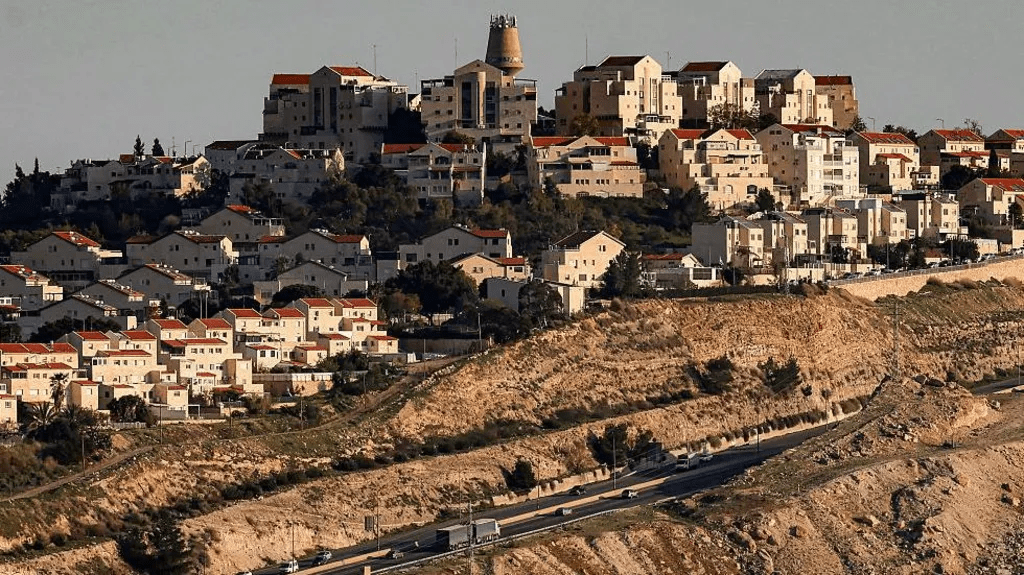
Palestinian figures say Israel has approved 104 new settlements since Prime Minister Benjamin Netanyahu’s government took office in late 2022, while around 160 agricultural outposts have also been established.
During the first half of 2026, the Palestinian Colonization and Wall Resistance Commission reported 3,488 attacks in the occupied West Bank.
The commission said the attacks killed 17 Palestinians, displaced 26 Bedouin and pastoral communities fully or partially, and were accompanied by the establishment of 42 new outposts.
Palestinian figures estimate that around 750,000 Israeli settlers live across approximately 194 settlements and 400 outposts in the occupied West Bank, including East Jerusalem.
The West Bank has experienced rising settler violence and Israeli military raids amid the continuing war in Gaza. Israel captured the West Bank, including East Jerusalem, in 1967. Most of the international community considers Israeli settlements in the occupied Palestinian territories illegal under international law, a position rejected by Israel.