Islamabad (TDI): Pakistan told fellow members of the Economic Cooperation Organization (ECO) that the bloc’s plans for deeper trade and connectivity depend on Afghanistan addressing its neighbors’ security concerns.
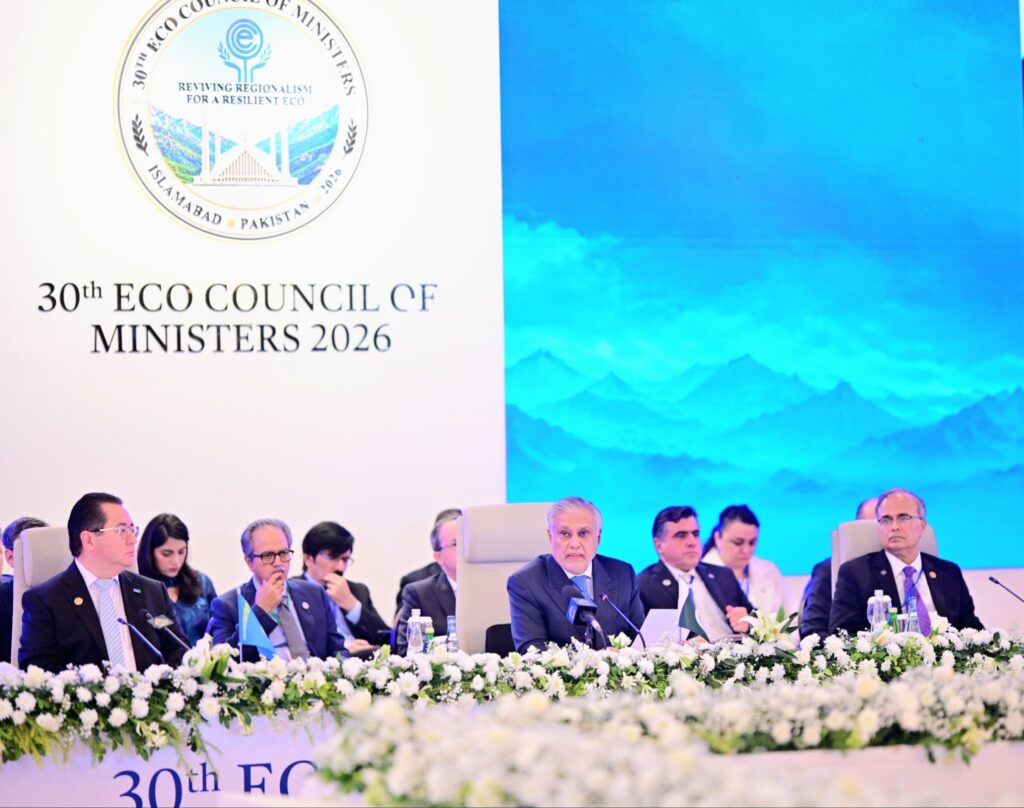
On Monday, Deputy Prime Minister and Foreign Minister, Ishaq Dar, made the remarks at the 30th meeting of the ECO Council of Ministers in the Pakistani capital.
The gathering was part of a two-day summit held on November 15-16 and drew foreign ministers and heads of delegation from member states, along with officials from the ECO Secretariat and its subsidiary bodies.
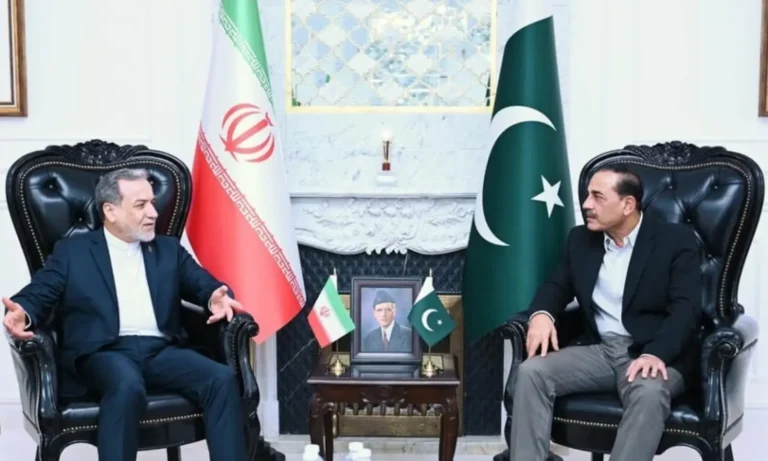
Among the foreign dignitaries who arrived in Islamabad were the head of the Organization of Islamic Cooperation and Iran’s foreign minister.
Deputy Prime Minister/Foreign Minister Senator Mohammad Ishaq Dar @MIshaqDar50 addressed the 30th Meeting of the Economic Cooperation Organization (ECO) Council of Ministers in Islamabad today.
The DPM/FM welcomed all dignitaries and reaffirmed Pakistan’s steadfast support for the ECO Charter and its vision of fostering deeper economic integration, regional connectivity and shared prosperity across the region. As Chair of the ECO for 2026–2027, he emphasised turning geographical proximity into practical co-operation through stronger trade linkages, modernised transit corridors and people-centred development.
Underscoring the linkage between peace and development, the DPM/FM stressed on the peaceful resolution of disputes through dialogue, diplomacy and respect for international law and treaties.
#ECOCOM30 #PakistanECOChairmanship #ECOIslamabad
— Ministry of Foreign Affairs – Pakistan (@ForeignOfficePk) November 16, 2026
DPM/FM Dar said economic cooperation builds a shared interest in stability, while insecurity can derail even the most promising development projects.
He stressed that Pakistan wants a peaceful and stable Afghanistan that is fully integrated into the ECO framework and at peace with its neighbors, an outcome he said would benefit the Afghan people and the wider region through new trade and transit routes.
But he made clear that progress is conditional; a secure environment, he said, is essential to lasting economic partnerships, and Afghan authorities must deal with the legitimate security worries of neighboring states. These considerations, he added, sit at the heart of Pakistan’s connectivity agenda.
The ECO, founded in 1964, groups Iran, Türkiye, Pakistan, Afghanistan, Azerbaijan, Kazakhstan, Kyrgyzstan, Tajikistan, Turkmenistan and Uzbekistan. It aims to promote sustainable economic development across the region.
The summit comes as Pakistan works to position itself as a trade and transit hub linking landlocked Central Asian states to world markets.
Dar described the region as sitting at the crossroads of South, Central and West Asia, with major markets, abundant natural resources and historic commercial routes. He said the challenge is turning that advantage into stronger economic ties.
Realizing that potential, he said, requires working transport corridors, efficient border procedures and predictable arrangements that businesses can rely on. Closer cooperation, he argued, could lower trading costs, attract investment and create jobs.
Dar said Pakistan would back wider market access, stronger regional value chains and greater private-sector participation, especially by small and medium-sized enterprises.