The Dutch Data Protection Authority has fined ten municipalities a total of €250,000 for breaching national privacy laws by conducting undisclosed research into Muslim communities.
The penalties, announced on Thursday, follow revelations that local governments commissioned covert studies and processed sensitive personal information about residents without their knowledge or consent.
The watchdog imposed €25,000 fines on each municipality after determining that the investigations violated citizens’ fundamental privacy rights and eroded public trust in local authorities.
The covert research emerged publicly in 2021, exposing years of clandestine data collection involving information on residents’ religious affiliations, community networks, and other private details.
Some of these findings were reportedly shared with law enforcement, the National Coordinator for Counterterrorism and Security (NCTV), and various state ministries; despite the absence of legal grounds for holding such data.
Municipalities implicated in the fines include Delft, Ede, Eindhoven, Haarlemmermeer, Hilversum, Huizen, Gooise Meren, Tilburg, Veenendaal, and Zoetermeer.
All have accepted the financial penalties and acknowledged that their actions were inappropriate. The Data Protection Authority’s chair, Aleid Wolfsen, said the investigations profoundly damaged trust in local governance and highlighted serious missteps in how authorities approached sensitive demographic information.
Read More: UK’s Secret Afghan Relocation Plan Surfaces After Major Data Leak
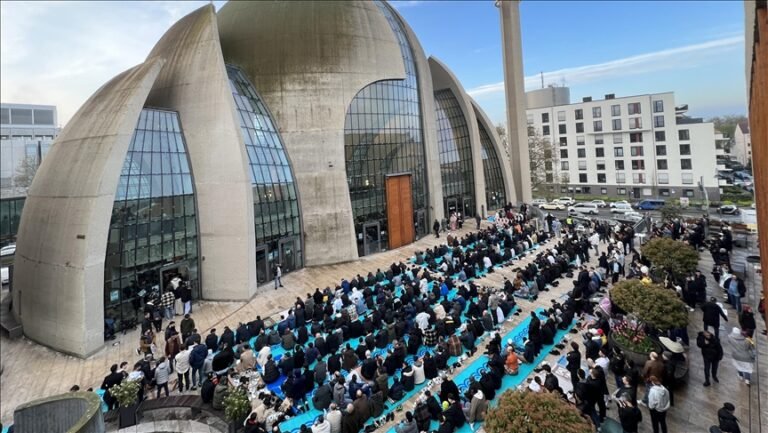
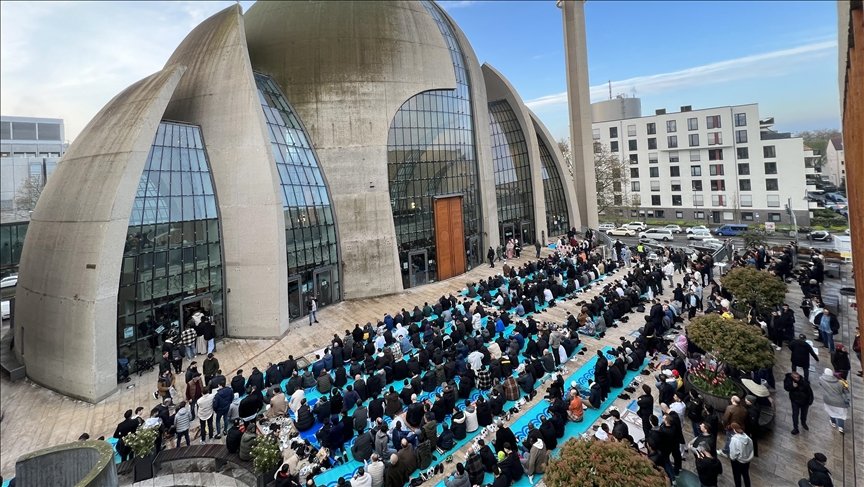
According to earlier reporting on the underlying investigations, the municipalities had engaged external agencies to conduct undercover research within mosques and Islamic organizations.
Investigators, often posed as regular visitors, attending religious services or social gatherings to observe activities and compile dossiers on imams, mosque administrators, and active community members.
These covert operations, funded in part through counterterrorism initiatives, drew sharp criticism from privacy advocates and Muslim organizations alike when they came to light.
Civil liberties groups and representatives of the affected communities have long protested the investigations, arguing they violated fundamental rights to privacy and freedom of religion.
In response to the fines, local leaders have promised to review and reform their community engagement strategies to prevent future breaches.
Delft’s mayor issued a formal apology to the local Muslim community, acknowledging the pain caused by the covert research and affirming a commitment to rebuilding relationships.
The controversy has sparked broader discussions in the Netherlands about balancing public safety and privacy rights, particularly in the context of counterterrorism efforts.