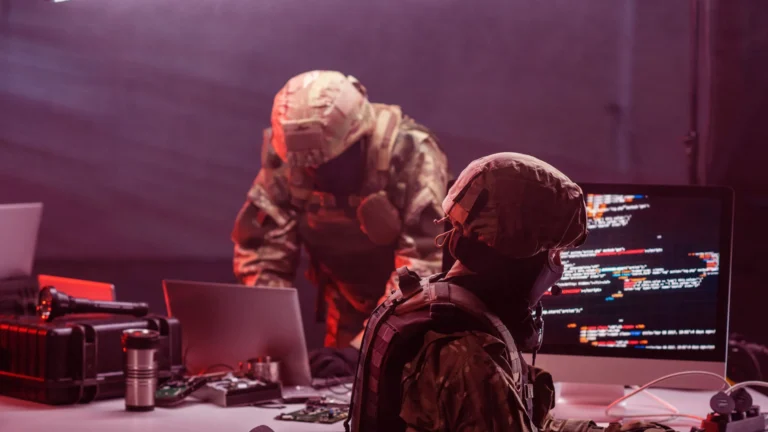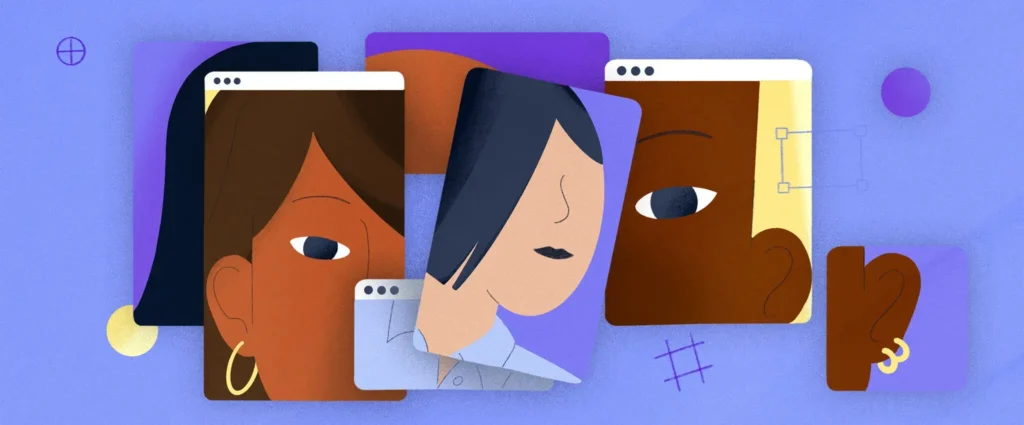
In the digital age, technology has become a double-edged sword. It empowers connection while also enabling new forms of harm.
Although there is no one internationally agreed definition of gender-based violence in the digital context, terms such as “online violence”, “cyberviolence”, and “digital violence” are often used interchangeably to describe “information and communications technology-facilitated violence” (UN, 2022).
Technology-facilitated gender-based violence (TFGBV) is often defined as “an act of violence perpetrated by one or more individuals that is committed, assisted, aggravated and amplified in part or fully by the use of information and communication technologies or digital media, against a person on the basis of their gender” (Robinson & Piay-Fernandez, 2021).
However, it is widely agreed that TFGBV occurs as part of a continuum that encompasses sexual harassment, stalking, zoom bombing, unsolicited sexual imagery, threats of sexual violence, video-and-image-based abuse, defamation, hate speech and more (The Economist, 2021).
These definitions, though precise, fail to capture the emotional and psychological reality behind them. For many women, digital violence is not an abstract policy concern but it is a daily experience that shapes how they move, speak, and exist online. Behind every statistic is a person who deleted her profile out of fear, stopped sharing opinions to avoid hate, or spent nights scrolling through threats that never seem to end.
In Pakistan, this issue has become deeply visible. According to the Digital Rights Foundation, nearly 40 percent of women internet users have experienced online harassment. This is not just about individual cruelty but about a collective pattern that reflects how power works in society. The internet, once imagined as a space of freedom, now reproduces the same inequalities that exist offline.
What happens on our screens mirrors what happens in our streets.
When movements like the Aurat March take place, for instance, the backlash online becomes immediate. Placards calling for equality are mocked, women’s photos are turned into memes, and their messages are twisted to shame them. Such attacks are not about disagreement rather they are about punishment. They show that even digital spaces are governed by the same fear of outspoken women that dominates our public life.
To understand this better, we need to look beyond technology itself and examine the culture that travels with it. The internet did not create misogyny but it only gave it a faster route. Every sexist joke, rumor, and insult posted online grows from the same mindset that questions women’s right to speak in public.
Moreover, the abuse is rarely random. Women who step outside traditional gender roles face more targeted attacks. Female journalists, activists, and politicians are mocked for their voices and opinions, not for their mistakes. When women like Asma Shirazi or Marvi Sirmed express their views, they are met not with debate but with personal abuse designed to break their confidence. This pattern reveals something larger: it is not the internet that fears women’s power, it is patriarchy adapting to a new platform.
Read more: Women in Diplomacy and the Stereotypes They Face
While laws such as the Prevention of Electronic Crimes Act (PECA) were introduced to offer protection, their impact remains limited. Reporting online harassment often becomes another form of humiliation. Victims are questioned about their behavior, their photos, and even their morality. Instead of justice, many women receive judgment. This attitude discourages reporting and strengthens the idea that silence is safer than resistance.
At the same time, not all women face the same type of digital hate. Class, ethnicity, and religion shape how violence appears and how it hurts. A privileged influencer may receive hateful comments, but a Baloch or Christian woman activist faces both gendered and identity-based abuse. The intersection of these identities makes online spaces even more dangerous for marginalized women, showing how patriarchy connects with other forms of discrimination.
However, despite this hostile environment, women in Pakistan continue to resist. They use social media not only to share their stories but to support others who are targeted. They create online networks of solidarity, using hashtags and campaigns to expose abuse and demand accountability. Their presence is a form of defiance, a refusal to disappear from a space that others try to control.
This resistance matters. It challenges the idea that women should adapt to fear rather than society adapting to justice.
Every tweet, video, and blog written by a woman who refuses to be silenced pushes back against a culture that profits from her silence.
Still, this struggle should not fall only on women. Social media companies must act faster to remove harmful content and protect users. Law enforcement must handle digital crimes with empathy, not suspicion. Schools and universities need to teach digital ethics and gender awareness. And as a society, we must stop disguising misogyny as humor or “freedom of speech.”
Final Remarks
The internet is not an isolated space. It reflects who we are and what we tolerate. If digital spaces continue to be hostile toward women, it means we have failed to challenge the deeper systems that enable such hostility.
We need to build digital spaces based on respect and accountability. Until then, Pakistani women will keep fighting, not just for their digital safety but for the right to exist freely, both online and offline.

Noor ul Sabah
Noor ul Sabah is a feminist researcher focused on intersectional approaches to gender, technology, and governance. Her work explores how power and identity shape experiences of violence, migration, and citizenship.