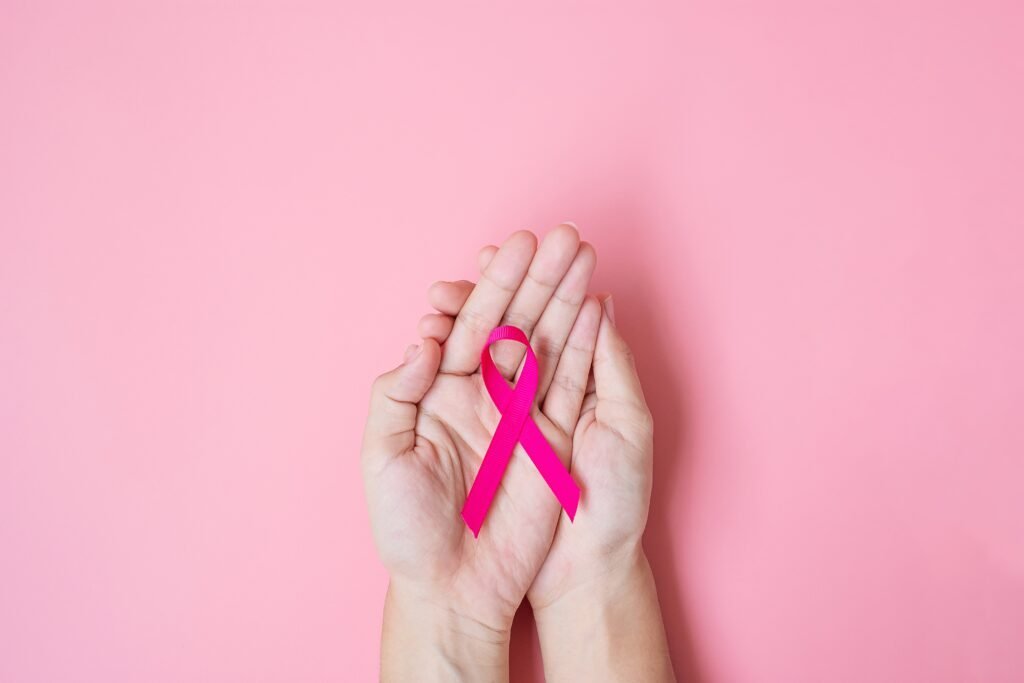
October is the month when the world comes together to raise awareness about breast cancer. Streets, hospitals, schools, and communities light up in shades of pink. But this month is not only about color and ribbons. It is about care, courage, and commitment. It reminds us that breast cancer is not just a medical condition but a human experience that touches families and communities everywhere.
It is also a time to talk openly about women’s health and the importance of early detection. This year’s theme, “Every Story is Unique, Every Journey Matters,” reminds us that behind every diagnosis there is a person who is dealing with their own challenges, emotions, and strength.
Every experience of breast cancer is different. Some women find it early and recover. Others face barriers such as cost, distance, or fear. Some receive strong family and community support, while others face the journey alone. This theme helps us recognize that each journey deserves respect, empathy, and equal access to quality care. When we understand this, we move closer to a world where healthcare is fair and compassionate for everyone.
The Global Challenge
To understand the importance of this awareness, we need to look at the reality. Breast cancer is the most common cancer among women across the world. In 2022, around 2.3 million women were diagnosed and 670,000 lost their lives. Behind these numbers are mothers, daughters, sisters, and friends.
However, survival rates are not the same everywhere. In high-income countries, more than 90 percent of women survive for at least five years after diagnosis. In lower-income countries, the number is much lower, which is often around 40 to 60 percent.
The reason is simple: not all women have access to early detection or proper treatment. If this continues, cases and deaths may rise by 40 percent by 2050. These gaps show why global action and equal access to care are urgently needed.
Read More: First Lady Urges United Effort to Fight Breast Cancer in Pakistan
The Global Breast Cancer Initiative (GBCI)
To reduce these differences and save lives, the World Health Organization (WHO) launched the Global Breast Cancer Initiative (GBCI) in 2021. It works to strengthen health systems, train professionals, and improve early diagnosis and treatment across countries. It focuses on enhancing accessibility by making sure that diagnostic services must be available, affordable, and efficient so that women do not face long delays.
However, although pink ribbons have become a global symbol of solidarity but this month is about more than that. It is about taking real steps that make a difference. For some, pink represents hope and recovery; for others, it brings memories of loss and struggle. True awareness is not just symbolic but it is active. It is about compassion, education, and change.
Therefore, the main goal this year is to raise awareness and encourage behavior change that supports early detection. It also aims to advocate for better access to care and to honor all those who have lived through breast cancer, whether as patients, survivors, or caregivers.
How You Can Help
Awareness is everyone’s responsibility. Here are some ways to take part:
- Learn about the symptoms and encourage your loved ones to get screened.
- Talk about breast health in your community to break fear and silence.
- Support cancer organizations through volunteering or donations.
- Share accurate information on social media.
- Show kindness and understanding to those going through treatment or recovery.
Together, we can create a world where early detection and treatment are available to everyone, no matter where they live. And with care, commitment, and collaboration, every life can have a chance to heal.

Noor ul Sabah
Noor ul Sabah is a feminist researcher focused on intersectional approaches to gender, technology, and governance. Her work explores how power and identity shape experiences of violence, migration, and citizenship.