China says that the two-month extension of its trade truce with the United States gives both countries more room to advance negotiations.
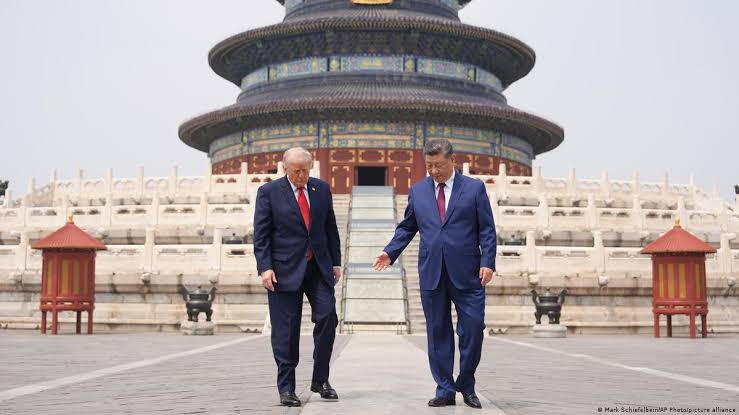
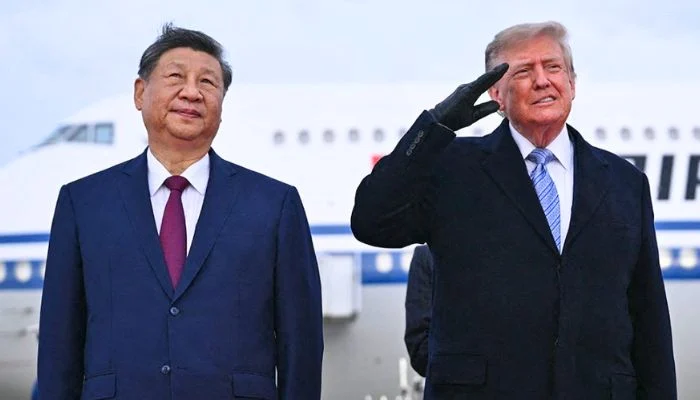
The extension was announced after a summit between President Xi Jinping and President Donald Trump. In a statement on Monday, China’s commerce ministry said the extension would let both sides assess how their arrangement to resolve economic and trade disputes is being carried out, while making progress on those issues at a more advanced level.
It said the pause offers businesses a relatively stable and predictable policy environment, along with continued active discussions.
The announcement follows Xi’s three-day visit to the United States, during which he met Trump on September 24. The two sides reached a consensus on a $30 billion reciprocal tariff-reduction arrangement.
Its aim is to ease trade tensions and keep bilateral economic relations stable, according to the ministry. Beijing said the arrangement would also improve export conditions for Chinese products entering the American market.
The two countries also agreed to hold regular trade and economic talks. The ministry said these would focus on investment opportunities and obstacles, policy transparency and predictability, and concerns raised by companies.
Read More: Xi Calls for New Chapter in China-US Ties
China plans to lower tariffs on a range of US goods, including agricultural products, seafood, fish, wood products, cosmetics and medical devices.
The White House said in a statement on Saturday that China will import at least 10 million metric tons of American coal in both 2027 and 2028. Liquefied natural gas and oil were not part of that commitment.
The commerce ministry defended the coal purchases, saying they would supplement China’s domestic coal market while giving the US coal industry stable income and jobs.
The truce has been closely watched by exporters, farmers and manufacturers in both countries, who have faced uncertainty over tariffs.
While the extension is short, Beijing’s language suggests it wants to use the period to build a more durable framework rather than simply run out the clock.
Details of the arrangement, including when the tariff reductions take effect and how compliance will be monitored, were not immediately available. It was also unclear when the first round of regular talks would take place.