As an institution that was once powerful, admired, and central to global governance but is now showing signs of institutional fatigue and diminishing influence, the United Nations is an important case study in institutionalized multilateralism. When World War II ended in 1945, the world stood in ruins. Over 60 million lives were lost, and international society demanded a system that could prevent such destruction from recurring. From this collective grief and hope, the United Nations (UN) was born, replacing the failed League of Nations.
Its founding principles, such as peace, security, human rights, and development, became the moral backbone of postwar war international order. The Charter of the United Nations, signed in San Francisco, envisioned a world in which dialogue would replace conflict and cooperation to triumph over competition.
In its early decades, the UN achieved milestones that shaped modern civilization. It successfully mediated numerous conflicts from the Suez Crisis of 1956 to peacekeeping missions in Cambodia, Namibia, and Mozambique. The establishment of specialized agencies, such as the World Health Organization (WHO) and UNICEF, advanced global health, education, and humanitarian relief. The adoption of the Universal Declaration of Human Rights (1948) marked a moral revolution by establishing a universal standard of dignity and equality.
Furthermore, during the Cold War, despite ideological divides, the UN acted as a vital communication bridge between the superpowers. It became a forum for small nations to voice their concerns, something that was unimaginable before 1945. Even in the 21st century, the UN played a central role in articulating shared visions, such as the Millennium Development Goals (MDGs) and their successors, the Sustainable Development Goals (SDGs), which aim to eradicate poverty and protect the planet. For a time, the UN was not just an organization; it was humanity’s conscience.
Read More: Eighty Years of the United Nations: When Peace Remains a Promise
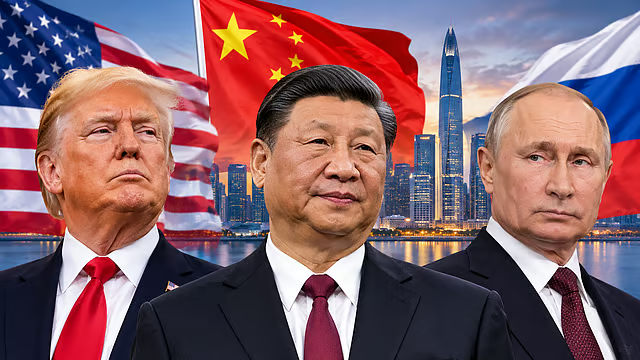
However, the same system that united the world now reveals deep structural flaws. The UN Security Council, dominated by five permanent members (the United States, China, Russia, the United Kingdom, and France), mirrors the power dynamics of 1945, rather than the realities of the 21st century. This outdated structure transformed the Council into a stage of political paralysis. The Syrian Civil War, Rwanda Genocide (1994), and Russia’s invasion of Ukraine (2022) exposed the institution’s inability to act decisively when veto powers clashed.
In each of these crises, the veto became a shield for national interests, rather than a tool for global justice. The UN Nations’ failure to prevent or stop mass atrocities has eroded public trust. Even peacekeeping missions have faced scandals, including accusations of misconduct and inefficiency in Haiti, Congo, and South Sudan. Moreover, the Human Rights Council is often accused of double standards, with countries known for violations sitting in judgment over others. Critics argue that the UN’s bureaucracy has become bloated and resistant to reform, prioritizing diplomacy over action.
Several factors have contributed to the UN’s diminishing influence. First, power politics dominate decision making. Realist scholars argue that states use the UN only when serving their interests. Second, the rise of new power centers like India, Brazil, and China challenges Western dominance, shaping the organization’s founding. The lack of representation of Africa and the Global South further deepens the perceptions of inequality.
Third, globalization has transformed the nature of threats. Unlike 1945, the world today faces climate change, cyber warfare, terrorism, and pandemics, all of which require rapid collective action. However, the UN’s slow bureaucratic machinery often fails to respond promptly. Finally, growing nationalism toward multilateral institutions has weakened the spirit of international cooperation. The withdrawal of major powers from global agreements, such as the U.S., from the Paris Climate Accord under the Trump administration exemplifies this shift.
Despite these setbacks, the UN remains indispensable. No other global body has universality or moral legitimacy. However, this reform was essential. Scholars and diplomats have proposed several steps for reviving their relevance.
Read More: Pakistan at the UN: Bridging the Global Divides Through Dialogue
The most pressing reform lies in the structure of the UN Security Council, whose composition still reflects the geopolitical realities of 1945. Expanding permanent membership to include nations such as India, Japan, Germany, Brazil, and at least one African representative would democratize global decision making and acknowledge the rise of new powers. For instance, India, representing nearly one sixth of humanity and being the world’s largest democracy, remains excluded from permanent membership despite its growing economic and peacekeeping contributions. A broader Council would not only improve representation but also enhance legitimacy and strengthen compliance with UN resolutions.
The veto power, concentrated in the hands of five nations, has paralyzed collective action in crises like Syria and Ukraine, where humanitarian suffering mounted as resolutions were repeatedly blocked. To restore moral credibility, the veto should be restricted in cases involving genocide, war crimes, or crimes against humanity, aligning with the French-Mexican initiative of 2015. More than 290 vetoes have been used since 1946, mostly by the U.S. and Russia, often protecting allies rather than justice. Limiting this power would ensure that the UN acts on principle rather than politics, upholding the very values on which it was founded.
Transparency and accountability must become the backbone of UN reform. Establishing independent oversight mechanisms to review peacekeeping missions, budget allocations, and staff conduct would enhance institutional integrity. For example, scandals involving misconduct in UN missions in the Democratic Republic of Congo and Haiti have eroded public confidence. Regular public reporting and financial transparency could help restore trust among member states and citizens. Moreover, implementing digital auditing systems and open-data dashboards can make the UN’s financial and operational activities more accessible and verifiable to the public.
A revitalized General Assembly could rebalance power within the UN, allowing a more democratic and representative global dialogue. Empowering the Assembly with enhanced decision making capacity especially when the Security Council is gridlocked would embody the spirit of equality among nations. The UN75 Dialogues, which engaged over 1.5 million people across 193 countries, revealed that citizens still strongly believe in multilateral cooperation but demand greater inclusivity and accountability. The UN must, therefore, reconnect not only with governments but also with people, ensuring their voices shape the global agenda. Digital participation platforms and civil society consultations could further this goal, making the UN more responsive to the aspirations of the 21st century.
The question of the UN’s relevance is not merely institutional; it is civilizational. In an age when global challenges outpace national capacities, abandoning the UN would be like discarding the only compass in a storm. Its failures are real, as are its possibilities. To remain the moral anchor of humanity, the UN must evolve beyond its postwar origins. It must become faster, fairer, and more inclusive, a platform not of the past but of the future. The world may no longer revolve around a single superpower, but it still revolves around shared values, such as peace, dignity, and cooperation. The UN’s story is not over; it is waiting for those who still believe in a united world to rewrite it.
*The views expressed in this article are the author’s own and do not necessarily reflect the editorial policy of TDI.
Iqra Kousar
Iqra Kousar is a student of International Relations at Thal University Bhakkar. Her academic interests are centered on peace building, diplomacy, and global foreign policy dynamics. With a growing passion for understanding how international institutions shape world order, she writes about global governance, cooperation, and the challenges of modern diplomacy.