Manama (TDI): Defense ministers of the six Gulf Cooperation Council (GCC) member states have agreed to establish a forward military command in Kuwait, with forces assigned to the headquarters to strengthen joint defense coordination following Iranian attacks across the region.
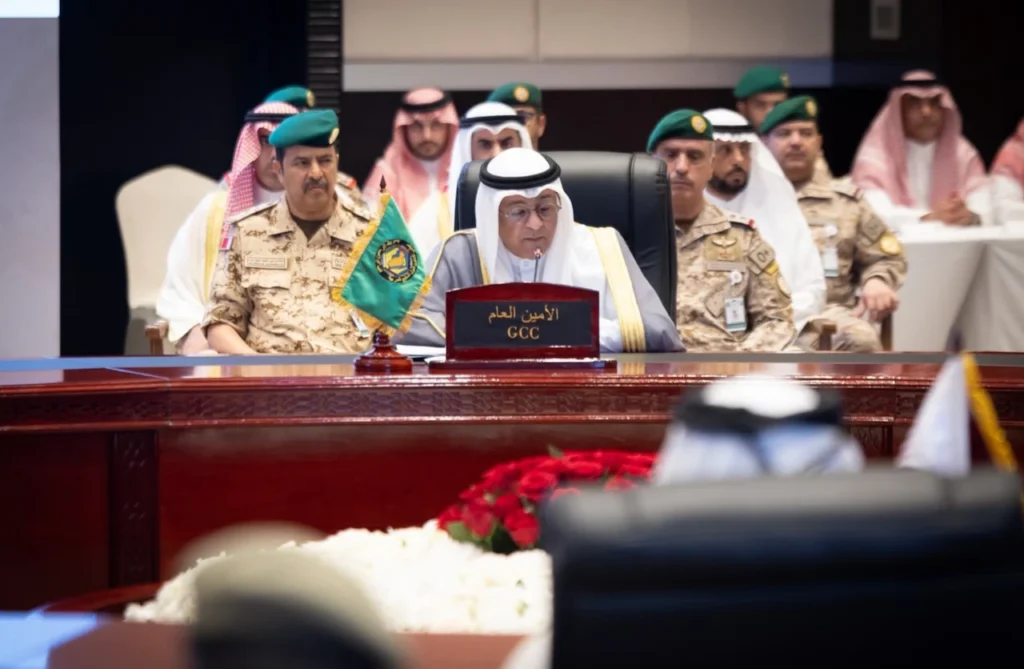
GCC Secretary-General Jassim Al-Budaiwi announced the decision on Tuesday, saying the new command would operate under the bloc’s Unified Military Command, which brings together the armed forces of all six member states.
A forward military command is a headquarters positioned closer to potential security flashpoints than a military’s main command centre. It is designed to improve coordination and enable faster deployment of forces.
Kuwait’s geographical position at the northern end of the Gulf, bordering Iraq and Saudi Arabia and facing Iran across the water, gives the proposed headquarters a strategic location.
The decision was taken during the 23rd session of the GCC Joint Defense Council in Manama, chaired by Bahraini Minister of Defense Affairs Lieutenant General Abdullah bin Hassan Al-Nuaimi.
Al-Budaiwi said the meeting followed directives issued by GCC leaders at an extraordinary summit in Jeddah in April, which called for stronger joint military action and enhanced capabilities to address shared security threats.
Read More: GCC Calls for Role in US-Iran Negotiations, Reaffirms Collective Security Commitments
He praised the military cooperation and coordination among member states in responding to what he described as Iranian aggression against the region. He said the response demonstrated that the security of Gulf countries was a shared responsibility.
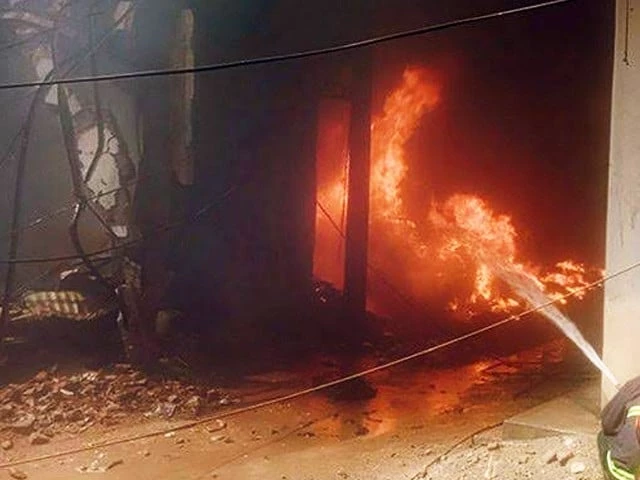
The GCC secretary-general strongly condemned Iranian attacks on member states, which he said had struck civilian locations and damaged infrastructure. He also paid tribute to the armed forces of the member countries, offered condolences to the families of those killed and wished a speedy recovery to the injured.
Al-Budaiwi also condemned Houthi attacks on Saudi Arabia, including reported targeting of holy sites, describing them as violations of the Kingdom’s security and sovereignty.
He reaffirmed the GCC’s solidarity with Saudi Arabia and its support for measures taken by Riyadh to protect its security, stability and territory.
Read More: GCC and European Lawmakers Prepare for New Round of Parliamentary Diplomacy
“The security of the Kingdom is an integral part of the security of all GCC countries,” he said. The council also adopted several additional decisions aimed at expanding military cooperation and advancing integration among the six member states.
The establishment of the forward command marks another step in GCC efforts to strengthen collective defense arrangements amid heightened regional tensions and security concerns.