Yemen’s long-running internal conflict has taken an unexpected turn as the United Arab Emirates-backed Southern Transitional Council (STC) agreed to participate in Saudi-hosted dialogue talks after suffering significant setbacks on the ground.
The move marks a potential shift toward diplomacy in a war that has fractured alliances and reshaped regional dynamics.
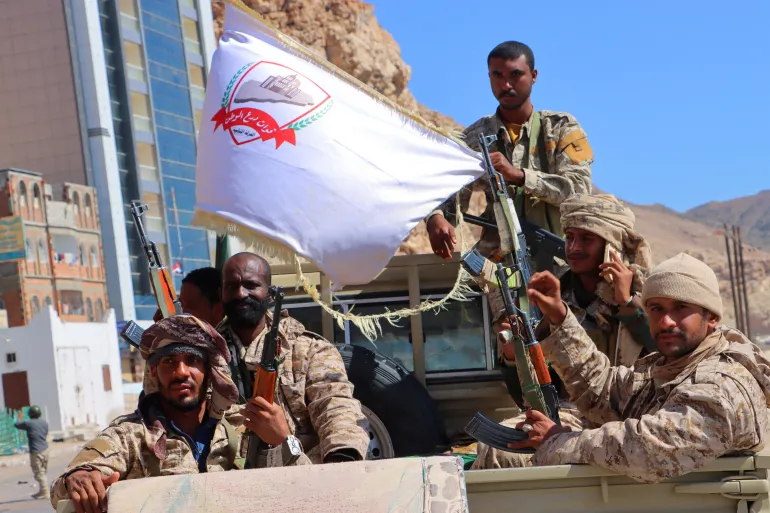
In early January 2026, Saudi-backed Yemeni government forces, including the Homeland Shield units, launched a concerted offensive against STC positions in southern Yemen’s Hadramout and al-Mahra governorates.
Supported by intensive Saudi airstrikes, these forces reclaimed vital territory from the separatists, compelling the STC to withdraw from strategic sites such as the key eastern port city of Mukalla. Reports indicate notable casualties and captures among separatist fighters during the clashes.
Following these developments, the internationally recognized Yemeni government, led by the Presidential Leadership Council under Rashad al-Alimi, appealed to Saudi Arabia to host a peace forum in Riyadh aimed at addressing the “southern issue.”
Saudi authorities accepted the request and extended invitations to all relevant southern factions, including the STC. A delegation headed by STC leader Aidarous al-Zubaidi is now expected to travel to Riyadh for the talks.
Read More: UAE Urges Calm, Calls on Yemenis to Settle Disputes Through Dialogue
This is a significant step given the group’s recent declaration of a two-year transitional period toward possible independence for southern Yemen.
Despite its separatist ambitions, the STC has signaled openness to dialogue, expressing readiness to contribute effectively to the Riyadh conference and shape a “unified southern vision” consistent with the aspirations of southern populations.
Saudi Arabia’s initiative comes amid broader strains in Gulf relations, especially between Riyadh and Abu Dhabi. The UAE’s backing of the STC has been a source of tension with Saudi leadership, which is keen to preserve Yemen’s territorial unity within an internationally recognized framework.
The conflict’s recent escalation has underscored these divergent approaches, complicating the overarching fight against the Houthi movement in northern Yemen.
The proposed Riyadh talks represent both an opportunity and a test for Yemen’s fractious political landscape. If successful, they could open a pathway to reduce hostilities and create a framework for negotiating the future of Yemen’s south.