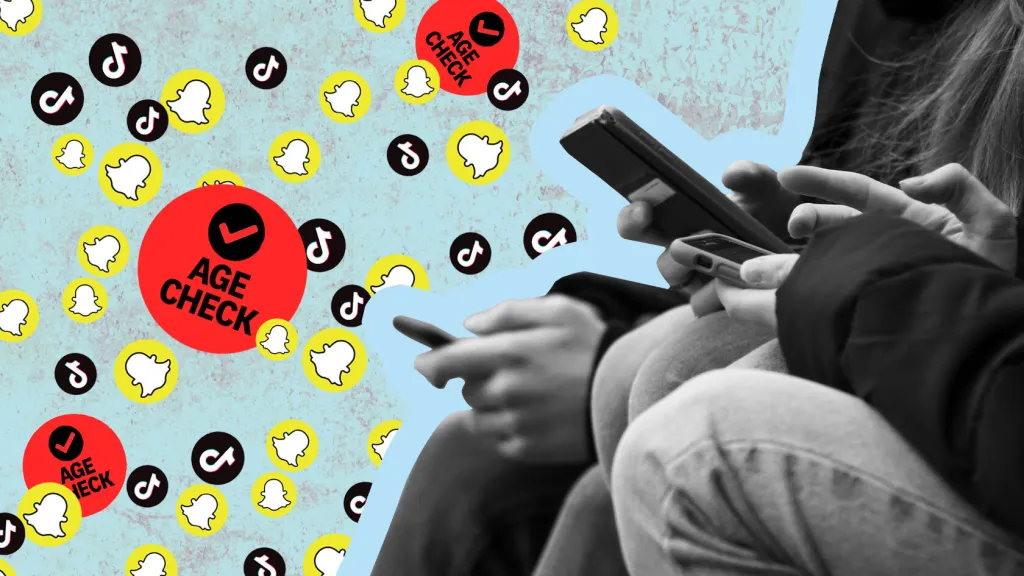
On 21st November, the Australian government introduced an amendment to the country’s Online Safety Act to ban children under 16 from having accounts on social media platforms. The proposal received overwhelming popular support, with 77% of Australians supporting the government initiative, and quickly passed through parliamentary scrutiny on 29th November to become the law.
According to the amendment, several social media platforms are required to take reasonable steps to enforce the ban, with a penalty of AUD$49.5 million for those failing to comply. The Australian government has cited the addictive nature of these platforms and their negative mental health consequences for children as a reason to enforce the ban. The Australian prime minister, Anthony Albanese, stated that the ban will “give kids back their childhood and parents their peace of mind.”
This initiative by the Australian government coincides with a wave of proposals from governments around the world to curb smartphone addiction among children and teens. South Korea, for example, passed a bill in August banning the use of smartphones during class hours in schools. The South Korean lawmakers have defended the bill, saying that excessive smartphone use is affecting the academic performance of students and taking away valuable time from students that they otherwise could have spent studying.
Moreover, in Southeast Asia, the Malaysian government has also announced that it will ban social media for teens under 16 from next year, with Indonesia advising social media platforms to take stringent measures to filter negative and harmful content and impose stronger age verification measures. In Europe, the European Union (EU) is, too, developing a plan to regulate the use of the internet for children via age verification laws.
The Australian government, on its part, has stated that more countries are expected to follow Australia’s example. So, why are the governments now banning social media for children? Will this strategy work, and is this a government encroachment on individual autonomy of the children? Let’s look at the recent ban in Australia to find out.
Read More: Australia Resists Pressure on Under-16 Social Media Ban, Taking Effect From December 10
Protecting the Kids: Inside Australia’s Social Media Ban
The proposal to ban social media apps for teens under 16 in Australia began in May 2024, when the Australian government launched a Joint Parliamentary Select Committee to investigate the effects of social media on Australians. In the same month, many organizations began campaigning for the ban. The advocates of the ban linked social media to the rising teenage mental health crisis, which garnered the support from parents, teachers, clinicians, and politicians alike. Then, on 21st November, an amendment bill proposing the banning of social media for under-16s was presented in the parliament, which passed on 29th November.
The Australian government announced that social media platforms would begin deactivating accounts from 10th December. The government included 10 platforms required to comply. These include Facebook, Instagram, TikTok, Snapchat, X (Twitter), YouTube, Reddit, Twitch, Kick, and Threads. The government also said that this is a dynamic list, so other platforms could be added at a later stage if similar concerns are raised for other platforms.
On Thursday, Instagram and Facebook began deactivating underage accounts ahead of the December 10 deadline, but the Australian government said they do not expect the ban to be perfect and that they will not start punishing non-compliance immediately.
However, many people have come out in opposition to the government initiative, citing the lack of understanding of the addictive process on the part of the government and fears of government overreach and encroachment on a child’s right to information and privacy. Some mental health experts have argued social media use has a complex relationship with mental health and addiction. Use of social media in proportionate amounts, they argue, does not lead to addiction or poor mental health.
On the contrary, it is poor mental health in the first place that leads to addiction. Furthermore, they stated that the government has not adequately understood that it is poor mental health that leads to addiction, not social media, and taking away social media might lead young children with poor mental health to find solace in other addictions such as drugs or pornography. Tech companies have also criticized the ban and said that it could push impressionable young children into less regulated online spaces and platforms.
The Australian government has responded by proposing a review two years after the implementation of the ban to judge its effectiveness. The Joint Parliamentary Select Committee proposed increased support for parents and children to tackle the issue of mental health too. The government also said that these measures are meant to protect children online and do not encroach on or restrict their right to information in any shape or form, as they still have access to apps like Google, Pinterest, WhatsApp, etc. However, whether these measures succeed in enhancing the mental and emotional health of children remains to be seen.

Muhammad Omer Rafiq
Muhammad Omer Rafiq is a student of politics with a passion for making sense of our tumultuous political world that always seems to be on the edge. He recently graduated in International Relations from Lahore Garrison University. He can be reached at muhammadomerrafiq@gmail.com