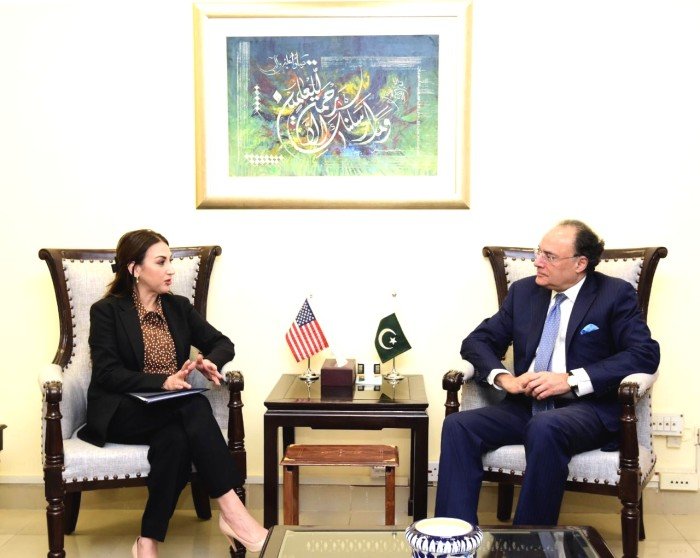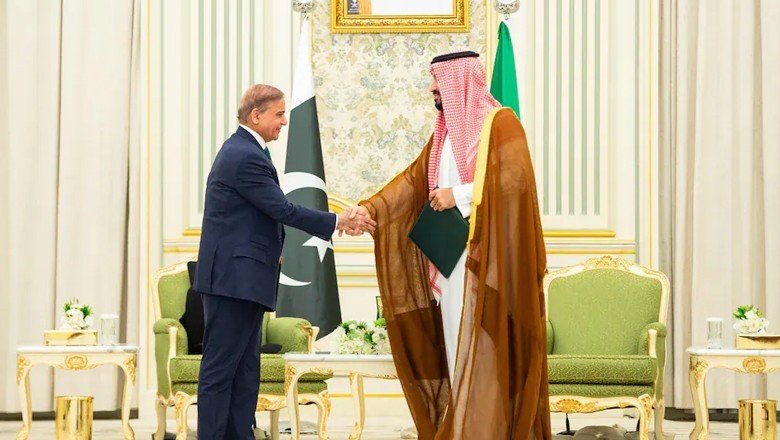
On 18 September 2025, Pakistan and Saudi Arabia signed the Strategic Mutual Defense Agreement (SMDA). This deal says that if either country is attacked, the other will consider it as an attack on both.
It was signed during a tense moment in the Middle East, just after the Israeli attack on Qatar. This attack showed how fragile security in the Gulf really is, and it also raised doubts about whether the United States can still be trusted to protect its allies.
This agreement is not the start of a new relationship, but rather a formal step in a defense partnership that has existed for many years. For decades, Pakistan has been very important for Saudi Arabia’s military strength.
Many Saudi officers have received training in Pakistan’s military schools, and Pakistan has often sent its advisers and security teams to support the Kingdom. While some of the stories about Pakistan’s direct role in the past Arab Israeli wars are still debated, the trust between Riyadh and Islamabad has remained strong through multiple regional crises.
For Saudi Arabia, this is a way to reduce its dependence on the United States. After America failed to stop Israel’s attack on Qatar, many in the Gulf region has started wondering if US promises of protection are still reliable.
Read More: Saudi Pakistan Mutual Defense Pact: A New Paradigm in South Asian Security
For Pakistan, the pact is a chance to increase its influence beyond South Asia and become a more important player in Middle Eastern security.
Moreover, the agreement signals a broader shift in the Arab security priorities. The Israeli strike on Qatar reinforced the perception among Gulf states that Israel, not just Iran, poses a direct threat.
The pact also brings with it several challenges. One major issue is the question of US credibility. This doubt is not limited to the Middle East but is also being raised in other regions, such as Ukraine, where the United States has made security promises.
Furthermore, the agreement could pull both Pakistan and Saudi Arabia into regional rivalries. It is unclear whether Saudi Arabia would back Pakistan if a conflict with India breaks out, and both countries must also decide how to handle Iran and its allied groups in places like Yemen, Syria, and Iraq.
In addition, there is the issue of counterterrorism in Afghanistan, where extremist groups remain active. To deal with this threat, Pakistan and Saudi Arabia will need to cooperate more closely and align security strategies.
Read More: The SMDA: A New Chapter in Pakistan-Saudi Security Relations
Overall the Pakistan–Saudi defense pact marks an important change in the Gulf politics. It makes the relationship between the two allies even stronger and shows that Saudi Arabia wants to depend less on the United States for its security.
For Pakistan, it is an the opportunity to become an important security partner in the Middle East, not just in South Asia.
However, the agreement also raises questions like, how much are both countries willing to do for each other if a war breaks out? How will they deal with challenges from Iran and India? Will this partnership remain strong if new conflicts appear in the Middle Eastern region?
In short, this pact is both a chance and a challenge for both countries. It may change the balance of power in the Gulf Region, but it might also become a power struggle because of the complicated realities of Middle East.

Ahsan Magsi
Ahsan Magsi is a student of International Relations at the University of Sindh, Jamshoro. His areas of interest are politics, diplomacy, defense and security studies. He can be reached at magsiaijaz12345@gmail.com