The United States and Saudi Arabia carried out joint strikes against militia sites in Iraq after Iranian ballistic missiles targeted US forces in Jordan, ending a three-day pause in direct hostilities.
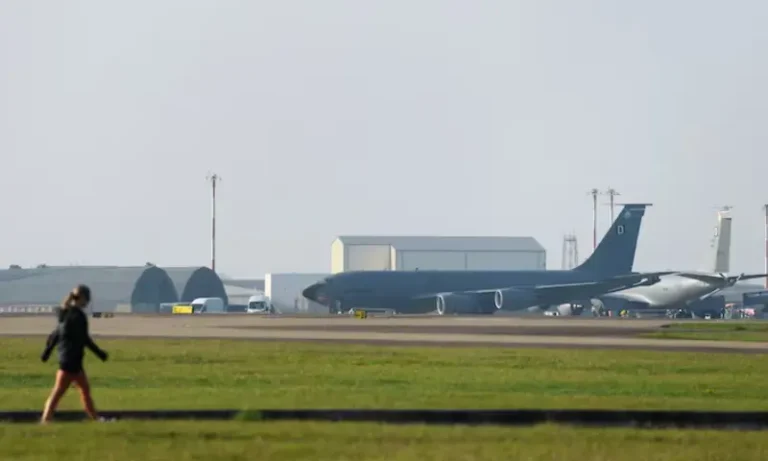
Jordanian forces intercepted five ballistic missiles launched toward locations hosting US personnel. Iran’s Islamic Revolutionary Guard Corps later said it had targeted the Muwaffaq Salti Air Base and a US Central Command facility in Jordan.
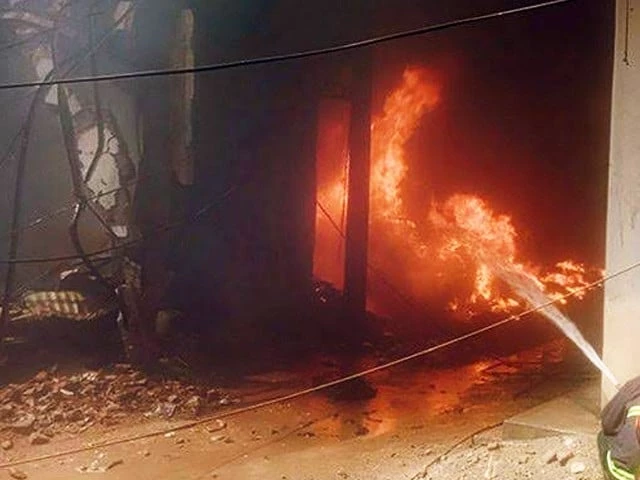
Following the attack, American and Saudi forces struck several sites used by Iran-aligned groups in eastern Iraq. US Central Command said the targeted groups were linked to more than 30 drone attacks against American and Saudi interests during the previous month.
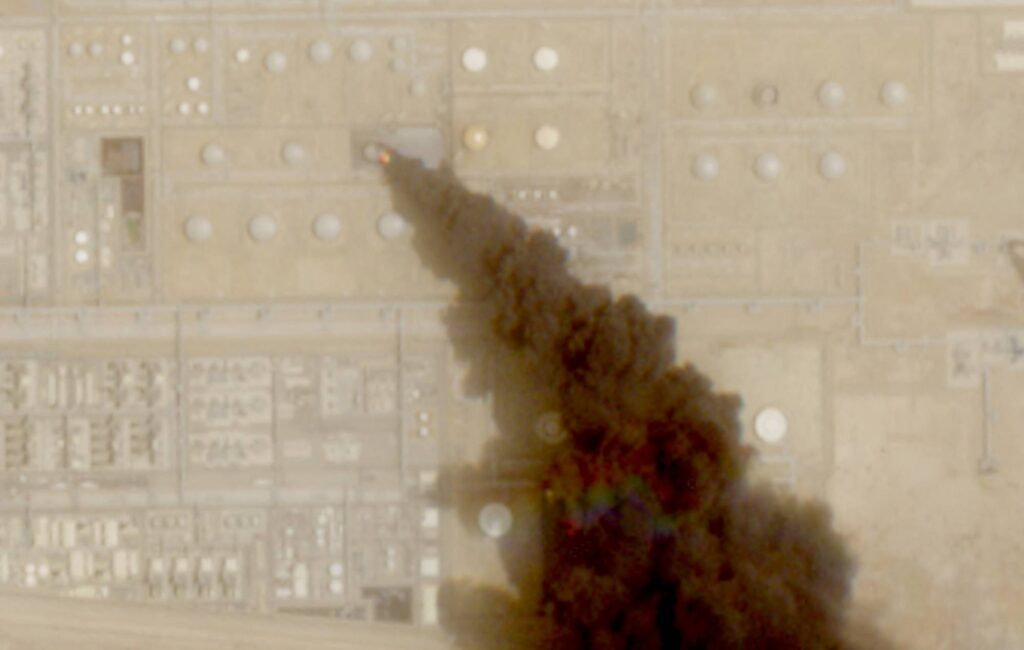
Saudi authorities said drones launched from Iraqi territory have again attempted to target petroleum facilities in the Kingdom’s Eastern Region and Riyadh.
Read More: Houthis Claim Missile Strike on Saudi Arabia as Red Sea Tensions Escalate
Saudi air defenses intercepted the drones before they reached their targets. Riyadh had earlier warned that it reserved the right to respond after repeated attacks against its energy infrastructure.
Several Iraqi militia groups denied responsibility and suggested that the attacks may have been carried out by Yemen’s Houthis. Iran also rejected claims that it had directed attacks against Saudi Arabia.
However, the United States and Saudi Arabia maintain that the groups targeted in Iraq operate within Iran’s wider regional network.
Initial reports said at least 20 members of Iraq’s Popular Mobilization Forces were killed and more than 30 wounded. The figures remained preliminary as Iraqi authorities continued assessing the sites.
Iraq Faces Renewed Pressure
The escalation has placed Iraq in a difficult position. Baghdad has repeatedly said that it will not allow Iraqi territory to be used for attacks against neighboring countries.
However, the government continues to face challenges in controlling armed groups that operate within or alongside the country’s formal security structure.
Iraq has called an emergency security meeting following the latest strikes and condemned the use of its territory as a launch point for regional attacks. The incident also shows the limits of diplomatic efforts focused only on Washington and Tehran.
Qatar and Pakistan had reported progress in maintaining a pause between the United States and Iran after three days without direct attacks. Oman was also pursuing a separate arrangement concerning shipping through the Strait of Hormuz.
However, agreements between governments may not be enough to control armed factions operating across Iraq, Yemen and other parts of the region.
Some of these groups are closely connected to Iran, but they may still have their own leadership, local interests and military calculations. This makes it difficult for mediators to guarantee that a pause between Washington and Tehran will be followed by all regional actors.
The latest exchange has therefore widened the confrontation once again and brought Iraq directly into the center of the crisis.

Anoush Taimur is an International Relations graduate from DHA Suffa University, Karachi, currently based in Doha. Her research interests include Gulf politics, small-state diplomacy, Global South studies and conflict
mediation. Her work examines how states create influence through connectivity, institutions and strategic relationships. She can be reached at [email protected]