The United States has imposed new sanctions on companies and vessels linked to Iran’s shipping network in the Strait of Hormuz, increasing pressure on Tehran’s role in one of the world’s most important maritime routes.
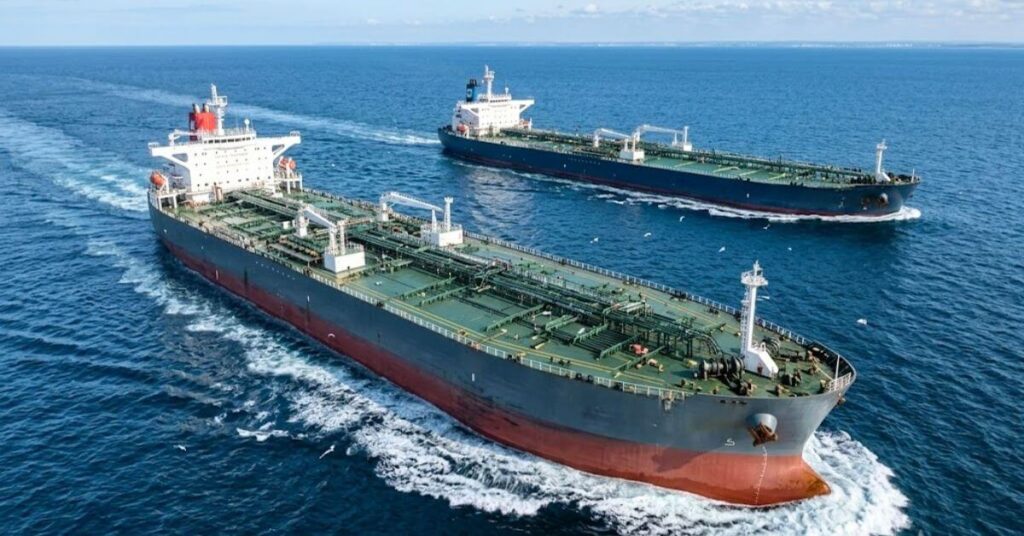
The US Treasury Department announced sanctions against 10 entities and eight tankers accused of supporting Iran’s commercial shipping system through the strategic waterway.
According to the Treasury, six of the sanctioned entities are based in China. Among those designated were the Persian Gulf Marine Insurance Company and the HormuzSafe Marine Services Authority, which Washington said were involved in providing insurance and maritime services connected to vessels transiting routes controlled by Iran.
The latest sanctions show that the dispute over the Strait of Hormuz is no longer limited to military tensions. Alongside missile exchanges and naval deployments, Washington is now targeting the financial and commercial networks that it says help Iran generate revenue from shipping through the strait.
The United States maintains that Hormuz is an international waterway and opposes any system that requires commercial vessels to make compulsory payments or operate under Iranian restrictions.
Iran, however, has continued to argue that it should play a leading role in managing shipping close to its coastline and providing maritime safety and navigation services.
Global Trade at Stake
The sanctions come as Oman continues efforts to reduce tensions over the Strait of Hormuz. Muscat has proposed a regional mechanism that would allow Gulf states to cooperate on maritime safety, environmental protection and search-and-rescue operations without placing the waterway under the exclusive control of any single country.
While the proposal is aimed at reducing tensions, the latest US sanctions could make those discussions more complicated by increasing pressure on Iran’s commercial shipping arrangements.
The Strait of Hormuz remains one of the world’s busiest energy corridors, with a significant share of global oil and liquefied natural gas exports passing through it each day.
Read More: Iran Pushes Gulf Diplomacy Over Strait of Hormuz
Any uncertainty over shipping through the waterway can affect insurance costs, freight rates and global energy markets.
The sanctions also highlight China’s growing role in Gulf trade, with several Chinese companies included in the latest measures because of their alleged links to Iran’s maritime network.
The latest US action suggests that competition over the Strait of Hormuz is moving beyond military deterrence and into the economic and financial domain.
As diplomatic efforts continue, disagreements over who should regulate shipping through the strait remain one of the biggest obstacles to a broader understanding between Washington and Tehran.

Anoush Taimur is an International Relations graduate from DHA Suffa University, Karachi, currently based in Doha. Her research interests include Gulf politics, small-state diplomacy, Global South studies and conflict
mediation. Her work examines how states create influence through connectivity, institutions and strategic relationships. She can be reached at [email protected]