Washington (TDI): Key US allies in the Middle East are moving closer to joining the ongoing war with Iran, as escalating attacks and growing regional tensions push Gulf states toward a more active role.
Saudi Arabia and the United Arab Emirates are increasingly aligning with US and Israeli efforts following a series of Iranian strikes that have disrupted their economies and raised concerns over Tehran’s potential control of the Strait of Hormuz, The Wall Street Journal reported.
While both countries have so far stopped short of direct military involvement, recent steps suggest a shift in posture. The report noted that Gulf support is already enhancing Washington’s ability to carry out air operations and could open new pressure points against Iran’s financial networks.
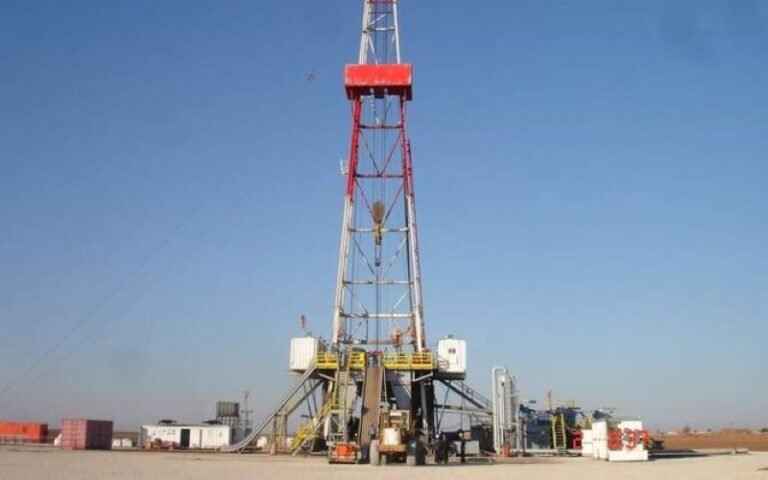
Saudi Arabia has reportedly allowed US forces access to the King Fahd Air Base, marking a significant departure from its earlier stance of not permitting its territory or airspace to be used for strikes on Iran. The shift comes as Iranian missile and drone attacks increasingly target Saudi infrastructure, including areas near Riyadh.
“Saudi Arabia’s patience is not unlimited,” Foreign Minister Faisal bin Farhan said recently, warning that any assumption about the Gulf states’ inability to respond would be a miscalculation.
Read More: Iran Denies Talks as Trump Claims ‘Major Points of Agreement’
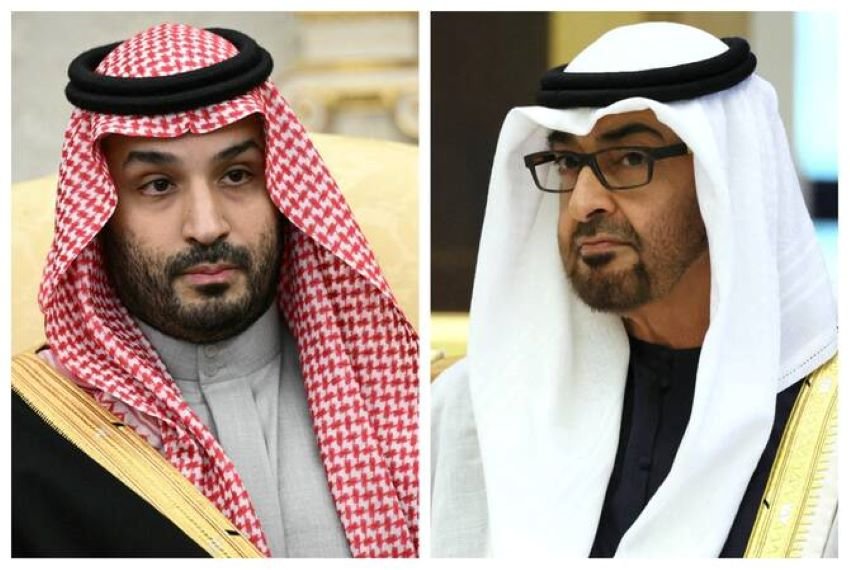
According to the report, Crown Prince Mohammed bin Salman is now weighing options to restore deterrence, with some officials suggesting that direct Saudi involvement could be imminent.
In the UAE, authorities have begun tightening measures against Iranian-linked assets, signaling a harder line. The country is also reportedly considering military options while opposing any ceasefire that would leave Iran’s military capabilities intact.
Dubai authorities have shut down institutions linked to Iran, including a hospital and a community club, citing misuse and legal violations. Officials indicated that further targeted actions could follow.
The UAE, long considered a financial hub for Iranian businesses, has also warned it could freeze billions of dollars in Iranian assets, a move that could significantly restrict Tehran’s access to foreign currency and global trade channels.
Read More: Pakistan Emerges as Key Player in US-Iran Backchannel Diplomacy
Meanwhile, attacks on energy facilities across Saudi Arabia, Kuwait, the UAE, and Qatar have heightened regional alarm, with Gulf states increasingly unified in their stance against Iran. Qatar has described the strikes as a serious escalation and a direct threat to its national security.
As the conflict nears the one-month mark, Gulf countries remain in close coordination with Washington. Analysts say that if Iranian attacks continue, regional allies may feel compelled to move beyond indirect support and take a more direct role in the war.