Washington (TDI): The United States and Iran could return to negotiations within days over the escalating crisis surrounding the Strait of Hormuz, with President Donald Trump saying US and Iranian negotiators are expected to engage after Washington rejected Tehran’s latest proposal.
Trump told Axios that his negotiators would speak with their Iranian counterparts in the coming days, signalling a possible diplomatic effort to break the deadlock over the strategic waterway.
Iran presented its proposal during the United Nations General Assembly in New York, transmitting it to Washington through Qatari mediators. Tehran called for an end to hostilities across the Middle East, including Lebanon, alongside a return to the terms of a previous ceasefire arrangement.
The proposed framework reportedly included the release of frozen Iranian assets, the lifting of sanctions on Iranian oil and an end to the US naval blockade of Iranian ports.
Read More: Pezeshkian Calls for Saudi-Houthi Dialogue, Offers Iran’s Mediation
Iranian Foreign Minister Abbas Araghchi said Tehran remained open to diplomacy but would not surrender its position. “Our conditions are clear, and any move toward reopening the Strait of Hormuz is contingent on these conditions being met,” Araghchi said in a social media post, adding that only a negotiated settlement could resolve the deadlock.
Trump said Iran was seeking a deal because it was facing mounting pressure, while indicating that Washington remained willing to negotiate. “They want to make a deal and I think that’s fine. I like making a deal too,” Trump said.
US Ambassador to the United Nations Mike Waltz, however, accused Tehran of seeking excessive concessions in return for returning to negotiations. He described Iran’s proposal as an attempt to secure the lifting of the blockade and sanctions as well as access to frozen assets before substantive talks could begin.
The Wall Street Journal reported that Trump had rejected the Iranian proposal, citing unnamed US officials. The report also said Trump remained skeptical that Tehran would meet US demands and had told his staff that he viewed renewed military action as a possibility after the November US midterm elections.
Iran, however, said it had not received an official rejection through the mediators facilitating communication with Washington. Araghchi said Tehran was waiting for the mediators to convey Washington’s definitive position before deciding its next steps.
Alongside the diplomatic efforts, Iran’s military has warned that it remains prepared for a possible resumption of hostilities. Iranian Army spokesperson Mohammad Akraminia said the United States would face greater damage if it launched another attack on Iran.
The Islamic Revolutionary Guard Corps also claimed that it had seized a US-made autonomous underwater vehicle operating in the Strait of Hormuz. The force identified the vessel as a Remus 600 and alleged that it had been conducting intelligence operations in the strategic waterway. The claim could not be independently verified.
Read More: Makkah Defense Agreement May Expand to Iran, Other Muslim States: Turkiye
Iranian Army Commander-in-Chief Amir Hatami separately described the conflict as being at a “critical and decisive stage,” warning against a situation in which Iran could no longer conduct trade while foreign powers controlled strategic waterways in the region. “If Iran cannot trade, if Iran cannot live, no one will be able to trade or live,” Hatami said.
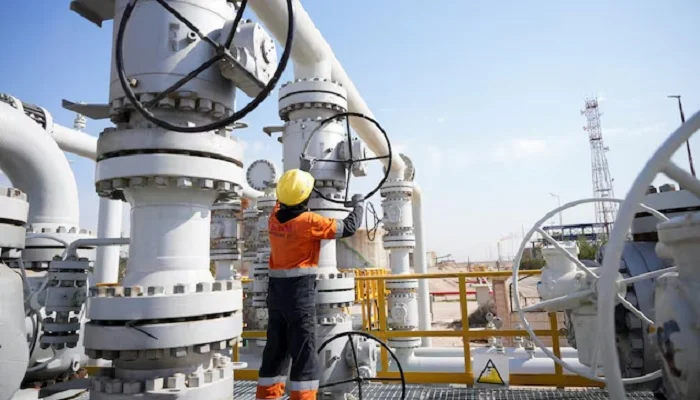
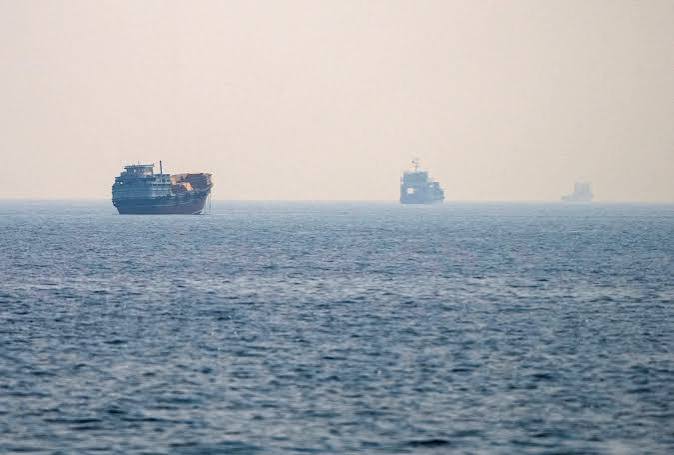
The Strait of Hormuz remains central to the standoff because of its importance to global energy shipments. Any prolonged disruption to the waterway could further affect oil markets and international trade, increasing pressure on Washington and Tehran to find a diplomatic pathway.