Washington (TDI): The United States and Iran carried out new strikes against each other on Thursday, escalating tensions and further dimming hopes of a quick diplomatic deal to end the ongoing conflict.
US President Donald Trump accused Iranian negotiators of delaying talks and “playing games,” warning that Tehran would “pay the price” for continued hostilities.
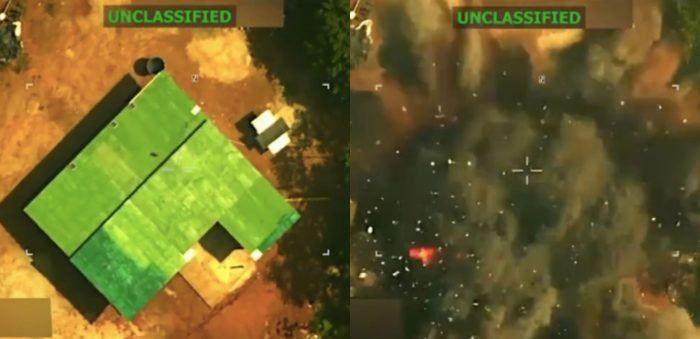
The US Central Command (Centcom) said it launched “additional self-defense strikes” targeting Iranian military surveillance systems, communication networks, and air defense sites. The strikes were described as a response to what Washington called continued Iranian aggression.
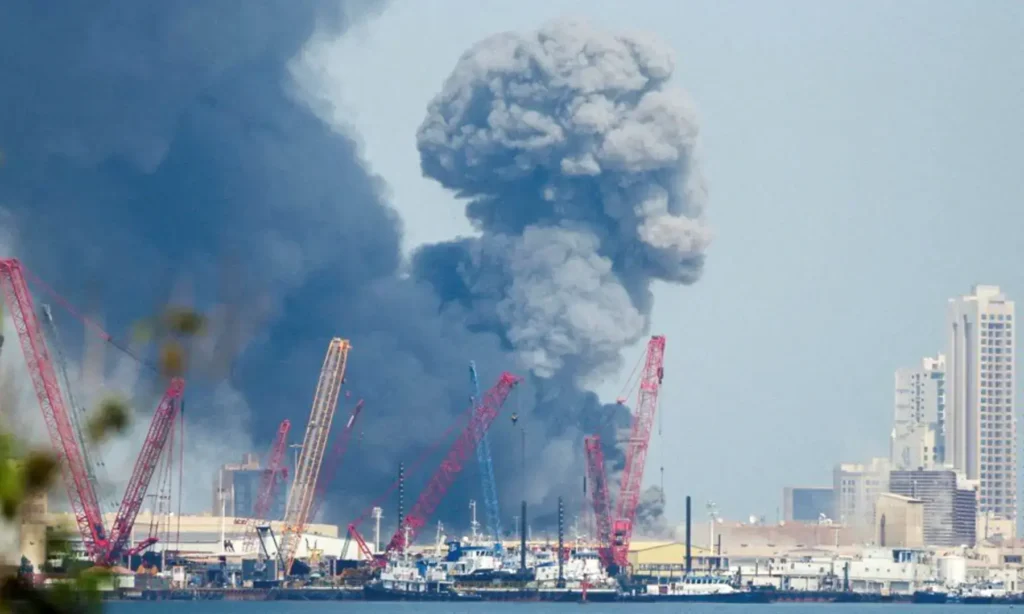
Iranian media reported multiple explosions in southern areas near the Strait of Hormuz, including Bandar Abbas, Qeshm, and Minab. Tehran said it retaliated by striking US positions in Kuwait and Bahrain, including alleged attacks on military facilities linked to US forces.
Read More: Trump Says US Launching Strong Response to Iran Over Apache Incident
Air raid alerts were issued in Bahrain, while Kuwait temporarily closed its airspace as its air defense systems attempted to intercept incoming threats.
Iran’s Revolutionary Guard also claimed it targeted US military infrastructure, including radar and communications systems, and warned of further escalation if attacks continued.
Tensions also increased over the Strait of Hormuz, a critical global energy route, with Iranian officials warning of restrictions on shipping. US Central Command, however, said commercial traffic through the strait was still continuing.
The renewed exchange follows several days of escalating military action, including US strikes on Iranian positions and Iranian retaliation against US-linked bases in the region.
Read More: Iran Attacks US Bases Across Middle East in Response to Strikes Near Hormuz
US officials said the strikes were aimed at protecting American forces and international shipping routes, while Iran accused Washington of trying to force political concessions through military pressure.
Diplomatic efforts have not fully collapsed, with reports that Qatari mediators are still engaging both sides in an attempt to narrow differences. However, both Washington and Tehran remain far apart on key issues.
The conflict, which began earlier this year, has already disrupted regional stability and energy markets, with oil prices rising again following the latest escalation.