Washington (TDI): Following Trump administration’s trajectory, the United States has drastically curtailed its financial backing for United Nations humanitarian initiatives, limiting its total contribution to only $2 billion.
This represents a drastic change from the country’s historical role as a primary benefactor, as recent years saw American funding reach as high as $17 billion.
The newly established $2 billion pool is highly restricted, designed to be funneled only toward specific nations or high-priority emergencies. While seventeen countries, such as Ukraine, Syria, Haiti and the Democratic Republic of the Congo, are set to receive a portion of these funds, other major crisis zones like Afghanistan have been excluded from this specific list. Furthermore, assistance for Afghanistan and Palestine is being withheld for now, with officials stating that those needs will be addressed through a separate, forthcoming strategy for Gaza.
This policy shift occurs at a moment of extreme vulnerability for the global community. The UN recently issued a $23 billion appeal for 2026, which covers only half of its total requirements, as other Western nations like Germany follow the American lead in slashing aid budgets.
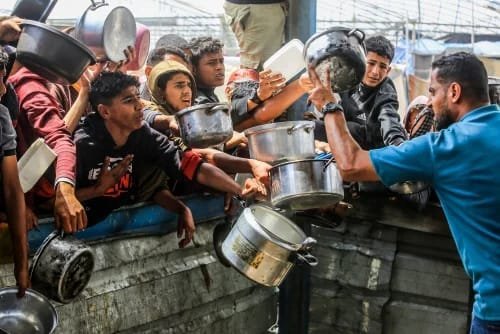
The consequences of these withdrawals are already manifesting in dire ways across the globe. Humanitarian agencies warn that over 11 million refugees are at risk of losing basic survival aid, and in places like Bangladesh, the educational systems for hundreds of thousands of Rohingya children are on the verge of total collapse. Global health projections are equally grim, with experts forecasting a spike in HIV/AIDS-related fatalities and charitable groups reporting that hundreds of children in Nigeria have already perished from malnutrition due to the funding gap.
The US administration seeks to centralize authority within the UN’s humanitarian office. A senior official described this strategy as a way to control the spigot of international aid, ensuring more rigid oversight of how money is distributed.
Although the head of the UN’s humanitarian coordination agency previously lamented the lack of global support and characterized this new, concentrated American approach as a sign that the United States remains a dominant humanitarian force.

Tayyaba Arif is a student of International Relations, and takes keen interest in conflict reporting and the dynamics of regional and global affairs. She is especially committed to SDG 17, and believes in effective partnerships and promoting cooperative initiatives. She can be reached at tayyabarrif0@gmail.com