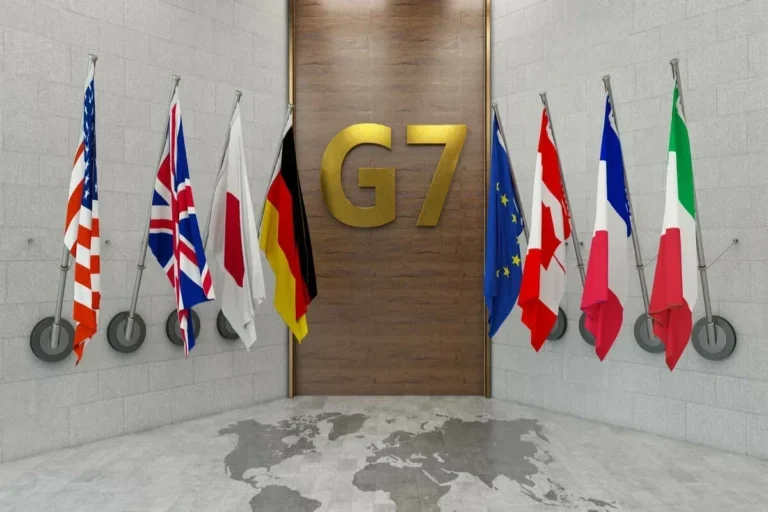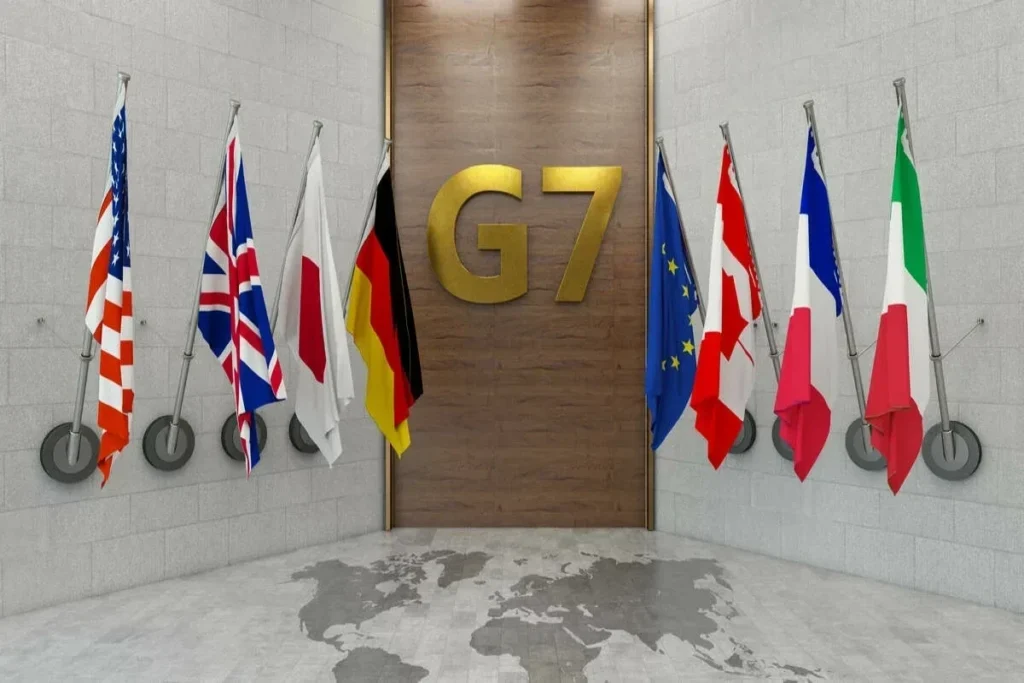
Washington (TDI): In a virtual meeting of the G7 finance ministers, on Friday, the United States Treasury Secretary proposed that the EU must consider “meaningful tariffs” on countries purchasing oil from Russia, in addition to more sanctions directly on the country to hamper its war in Ukraine.
This proposal resonated with the earlier call made by Trump himself as he spoke with EU’s sanctions envoy, David O’Sullivan, where he stressed the EU should come up with 100% tariffs on China and India.
The EU and G7 are currently discussing dedicating the Russian frozen assets to Ukraine’s defense, as well as tougher sanctions on Russia as the peace talks are not making a headway.
The recent Poland attack saga has also heightened insecurities among the NATO, EU, and G7 countries, who now largely believe that Russia must be stopped, with more coercion.
Trump, in an interview with Fox news, said that his patience with Putin is “running out” though he did not mention sanctions as he did when Ukraine’s main government building came under Russian attack last week.
Read More: Trump Urges EU to Impose 100% Tariffs on China and India to Pressure Putin
The US Treasury Secretary, Scott Bessent, is also meeting his Chinese counterpart in Madrid, Spain to discuss trade matters as the tariff truce period holds. However, tariff talks with India largely remain undetermined.
The EU has historically relied on sanctions mechanisms and there is reason to believe why the bloc will be reluctant towards tariff measures.
The US wants European countries to raise tariff duties on imports from China and India but this may start a spiral of countermeasures, seriously disrupting trade.
“Only with a unified effort that cuts off the revenues funding Putin’s war machine at the source will we be able to apply sufficient economic pressure to end the senseless killing,” Bessent said.
This new US demand from the European countries adds up to Trump administration’s stance and measures pushing Europe to take more responsibility for its own defense; an outcome of which was that the bloc agreed to raise its defense spending.

Established in December 2008, The Diplomatic Insight is Pakistan’s premier diplomacy and foreign affairs magazine, available in both digital and print formats.